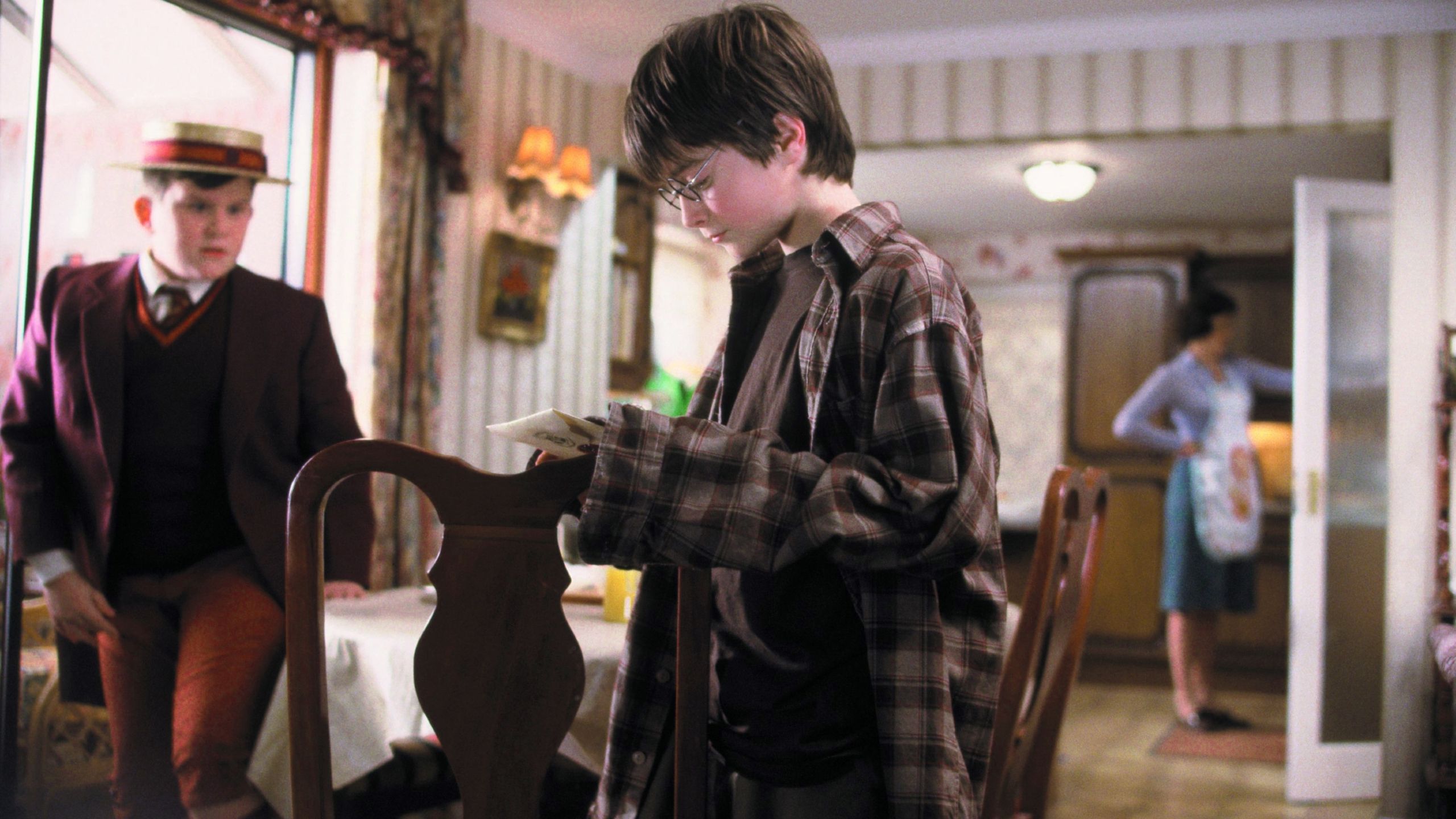
HBO's Harry Potter remake has a real chance to fix what the film franchise fumbled. The new series won't just benefit from adapting the book material that got cut from the movies. Instead, the real advantage lies in TV's format allowing for a genuinely cohesive story from start to finish.
The eight Potter films felt disjointed at times. They jumped between tonal shifts, dropped subplots, and rushed through character development to fit studio schedules. A TV series, spread across multiple seasons, eliminates that pressure. Writers can breathe. They can develop Dumbledore's backstory properly. They can actually make Horcrux hunting feel like the lengthy, complicated process Rowling wrote.
The streaming model also lets HBO take risks the studio system never would. Darker episodes don't need to pull punches for PG-13 ratings. Character deaths land harder. The Wizarding World feels more lived-in when you're spending hours per season, not two and a half films per book.
This isn't about stuffing in deleted scenes. It's about storytelling architecture. The movies treated each installment as a standalone event. A series treats the whole saga as one narrative. That shift changes everything about how audiences experience magic, friendship, and the rise of Voldemort.