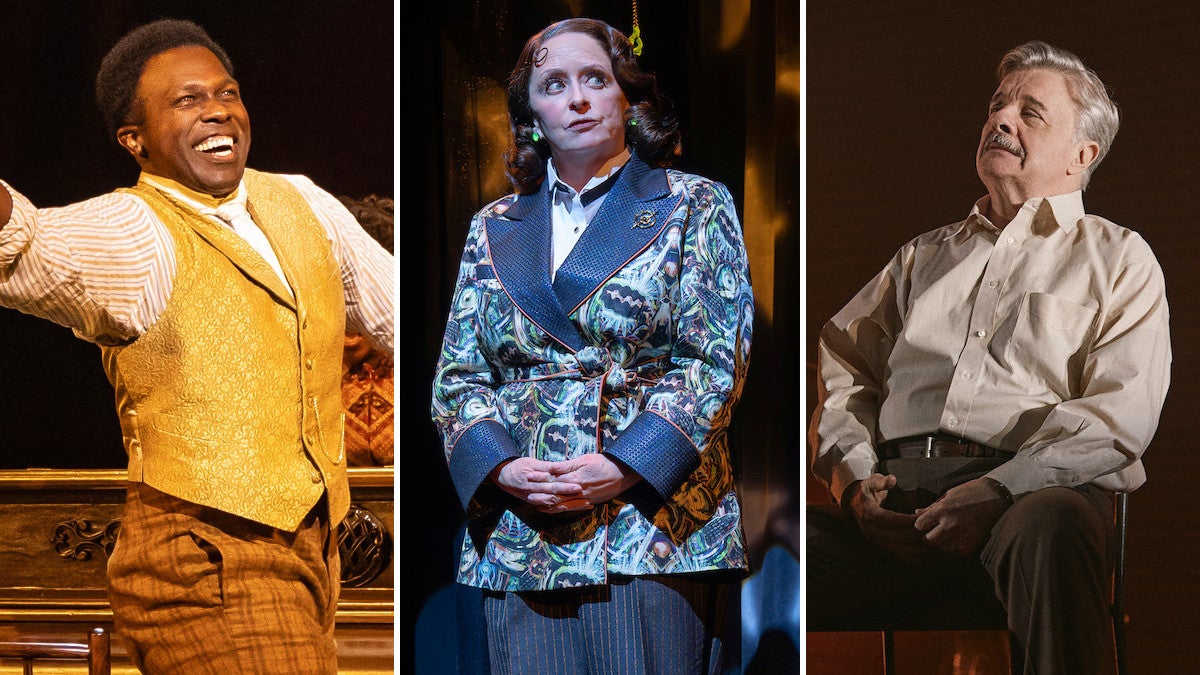
TheWrap critic Robert Hofler has published his predictions for the 2026 Tony Awards nominations ahead of Tuesday's announcement, spotlighting contenders including a revival of "Rocky Horror Picture Show" and "Becky Shaw."
Hofler's analysis reflects Broadway's current landscape, where nostalgia-driven revivals compete alongside new plays for dominance on the Great White Way. "Rocky Horror," the cult classic that has endured for decades through midnight screenings and audience participation, represents the theatrical trend of mining beloved properties for stage adaptations. Meanwhile, "Becky Shaw," a contemporary drama, signals the continued strength of character-driven scripts in a season balancing spectacle and intimacy.
The Tony Awards remain the theater industry's most prestigious honor, celebrating excellence across acting, directing, choreography, design, and new works. For Broadway, Tony nominations directly impact box office performance and audience interest, making the selection process consequential for both established productions and emerging shows seeking breakout recognition.
Hofler's predictions carry weight in industry circles. TheWrap's theater coverage reaches insiders, producers, and passionate theatergoers who track the nominating landscape closely. His selections acknowledge both the shows dominating conversation and overlooked performances deserving attention, a distinction critics make annually as they weigh popular success against artistic merit.
The 2026 Tony season reflects Broadway's post-pandemic recovery patterns. Revivals continue anchoring the schedule while original works fight for space. Productions with strong ensemble casts and directorial vision tend to dominate nominations, alongside star vehicles that draw audiences to the theater.
Tuesday's nominations will determine which shows compete for the Tony's major categories at next year's ceremony. For producers, a nomination validates artistic choices and attracts additional investment and talent. For actors, it marks career-defining recognition.
Hofler's predictions matter because they represent informed critical judgment about which shows