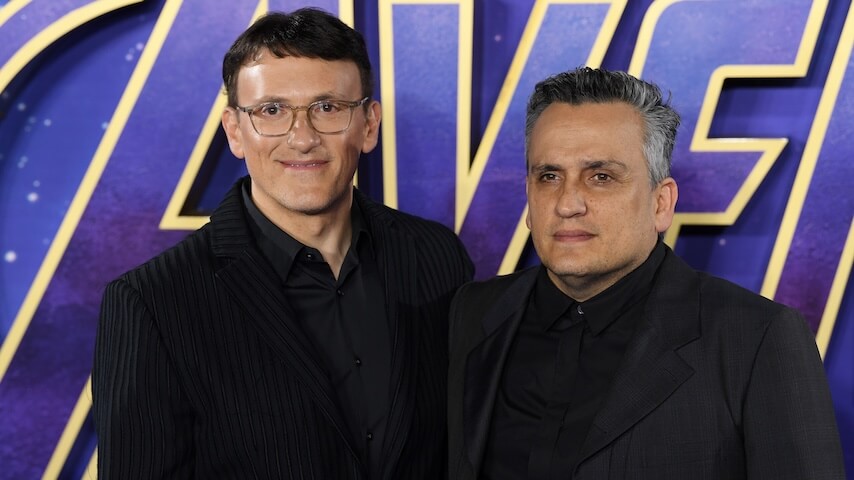
Joe Russo, who directed "Avengers: Endgame" and helms the upcoming "Avengers: Doomsday," has voiced concerns that spoiler culture has spiraled into excessive caution. The filmmaker worries audiences have become so fearful of accidental plot reveals that they've stopped engaging with entertainment broadly.
Russo's comments land at a moment when the MCU faces mounting pressure to keep secrets. Marvel Studios has become legendary for tight-lipped production, but the downstream effect cuts both ways. Fans obsessively avoid social media, streaming platforms, and even casual conversations with friends to protect themselves from unwanted story details. Studios respond by clamping down harder on promotional materials and press access.
The director's perspective reflects a real tension in blockbuster filmmaking. Spectacle-driven tentpoles like the "Avengers" films depend on surprise and revelation as storytelling tools. When audiences know every major plot point weeks before release, the theatrical experience loses impact. Yet studios simultaneously benefit from fan speculation and theorizing, which drives engagement and ticket presales.
Russo acknowledges this paradox without offering easy solutions. His concern echoes industry-wide frustration with how internet culture has weaponized spoilers. Review embargoes have tightened. Press screenings happen closer to release dates. Publicists craft increasingly vague marketing campaigns. The result benefits studios protecting investment but frustrates critics and general audiences seeking genuine information.
"Doomsday" arrives in 2026 with enormous expectations following "Endgame." Russo knows that film's cultural impact depended partly on audiences discovering its twists organically. Recreating that magic requires balance. Too much secrecy breeds skepticism and fan backlash. Too much openness kills genuine surprise.
The larger issue Russo identifies speaks to audience anxiety in the streaming era. When