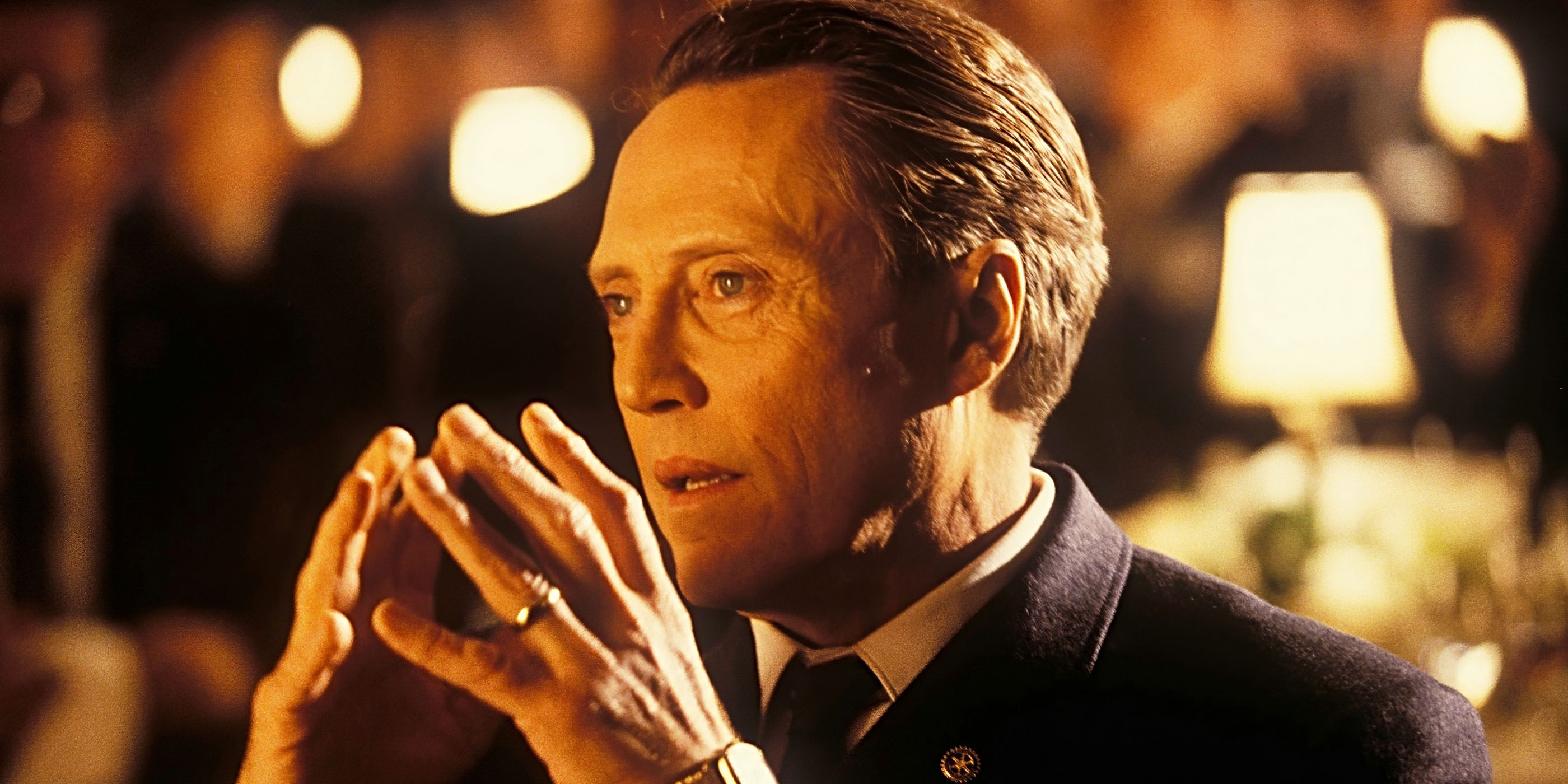
Steven Spielberg's "Catch Me If You Can" deserves recognition alongside his most celebrated works, according to critical reassessment. The 2002 detective thriller, starring Leonardo DiCaprio as real-life con artist Frank Abagnale Jr. and Tom Hanks as FBI agent Carl Hanratty, operates as a lean, propulsive narrative that showcases Spielberg's command of genre filmmaking beyond his blockbuster reputation.
The film tracks Abagnale's elaborate schemes across the 1960s, from forging checks to impersonating airline pilots and doctors, all while maintaining a cat-and-mouse dynamic with Hanratty. Where "Jaws" established Spielberg as a master of suspense, "Catch Me If You Can" proves his versatility within a more intimate procedural framework. The chemistry between DiCaprio and Hanks generates the film's emotional core, transcending the typical cop-versus-criminal formula.
Spielberg constructs the narrative with architectural precision, building tension through deception and escalation rather than external threats. Cinematographer Janusz Kaminski's work bathes scenes in period-appropriate color palettes, while the pacing mirrors the protagonist's constant motion and reinvention. The film never overextends itself, moving with confidence from scheme to scheme.
The movie operates within a humanistic framework that examines desperation, loneliness, and the search for connection masquerading as criminal enterprise. DiCaprio's performance captures Abagnale's intelligence and vulnerability, while Hanks brings weary determination to an agent slowly recognizing he's chasing someone who craves the very human connection their pursuit provides.
"Catch Me If You Can" arrived during a period when Spielberg balanced intimate dramas with spectacle. Unlike the oceanic terror of "Jaws" or