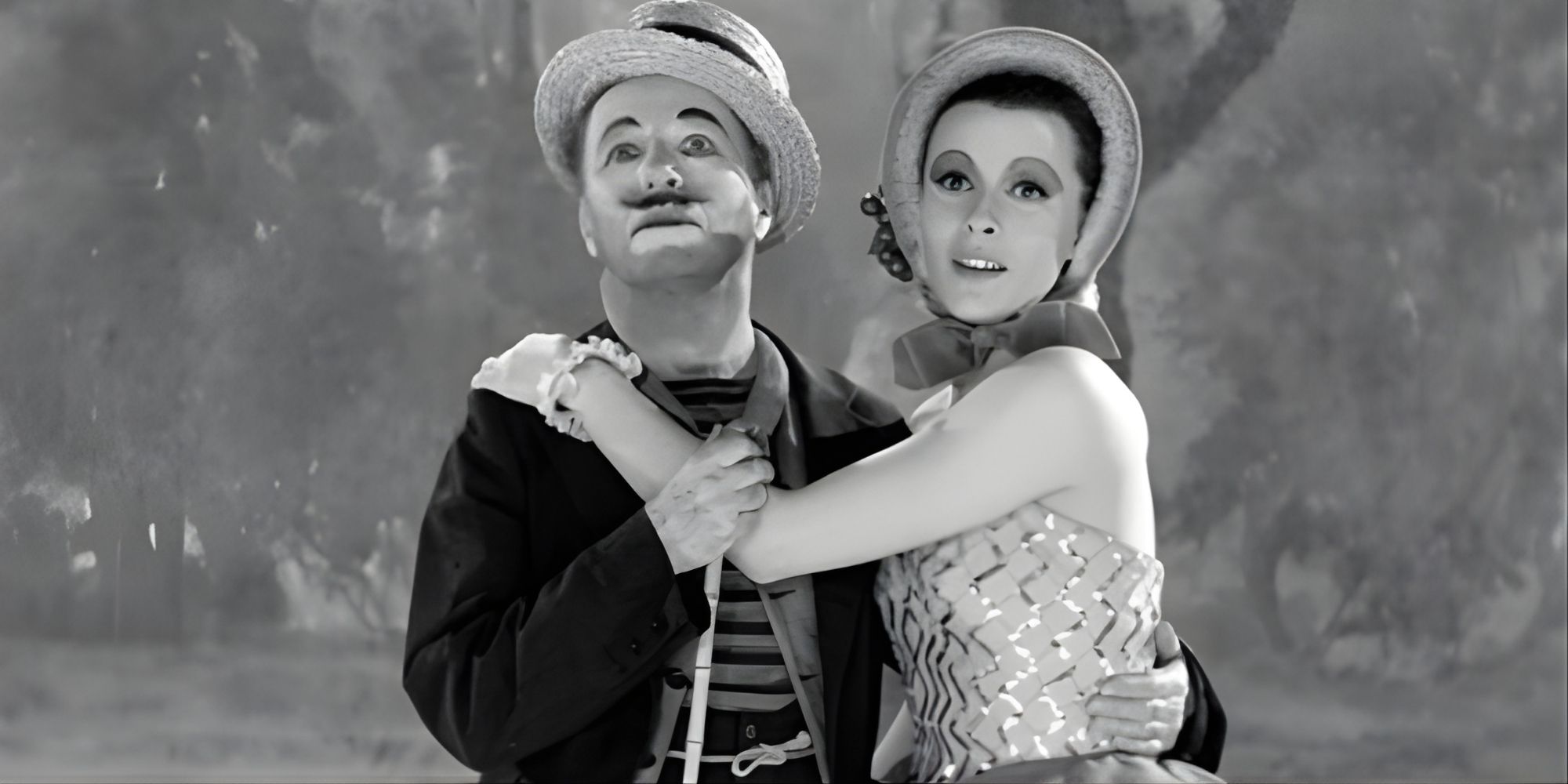
Charlie Chaplin's "Limelight" finally won the Academy Award for Best Original Dramatic Score in 1953, two decades after the film's 1952 release. The delay stemmed from a rarely enforced Oscar rule that prevented films from competing until they had qualified for theatrical release in Los Angeles, a requirement that "Limelight" didn't meet until much later due to distribution complications and Chaplin's complicated relationship with Hollywood at the time.
The composer score, created by Chaplin himself, represented one of cinema's greatest creative achievements. Yet the film arrived during a tumultuous period for the legendary actor-director. Chaplin faced intense scrutiny during the McCarthy era, with his political views and personal life under constant attack from conservative institutions. The climate made "Limelight" a pariah in many quarters, despite its artistic merit and touching story about an aging vaudeville performer mentoring a young dancer.
When the Oscar finally came, Chaplin was in Switzerland, having left America in 1952 amid the hostile political atmosphere. He never received the award in person, adding another layer of irony to the delayed recognition. The statue sat unclaimed for years, a symbol of Hollywood's failure to honor one of its greatest pioneers when he needed vindication most.
"Limelight" stands as one of Chaplin's final masterpieces, blending comedy with genuine pathos in ways few films achieved. The sparse, elegant score underscores the film's melancholic meditation on aging, relevance, and the passage of time. Chaplin's music perfectly complements his performance, creating an intimate portrait of an artist confronting obsolescence.
The delayed Oscar serves as a stark reminder of how institutional rules, political climates, and industry politics can obscure true artistic achievement. Chaplin created one of cinema's great films and composed one of cinema's