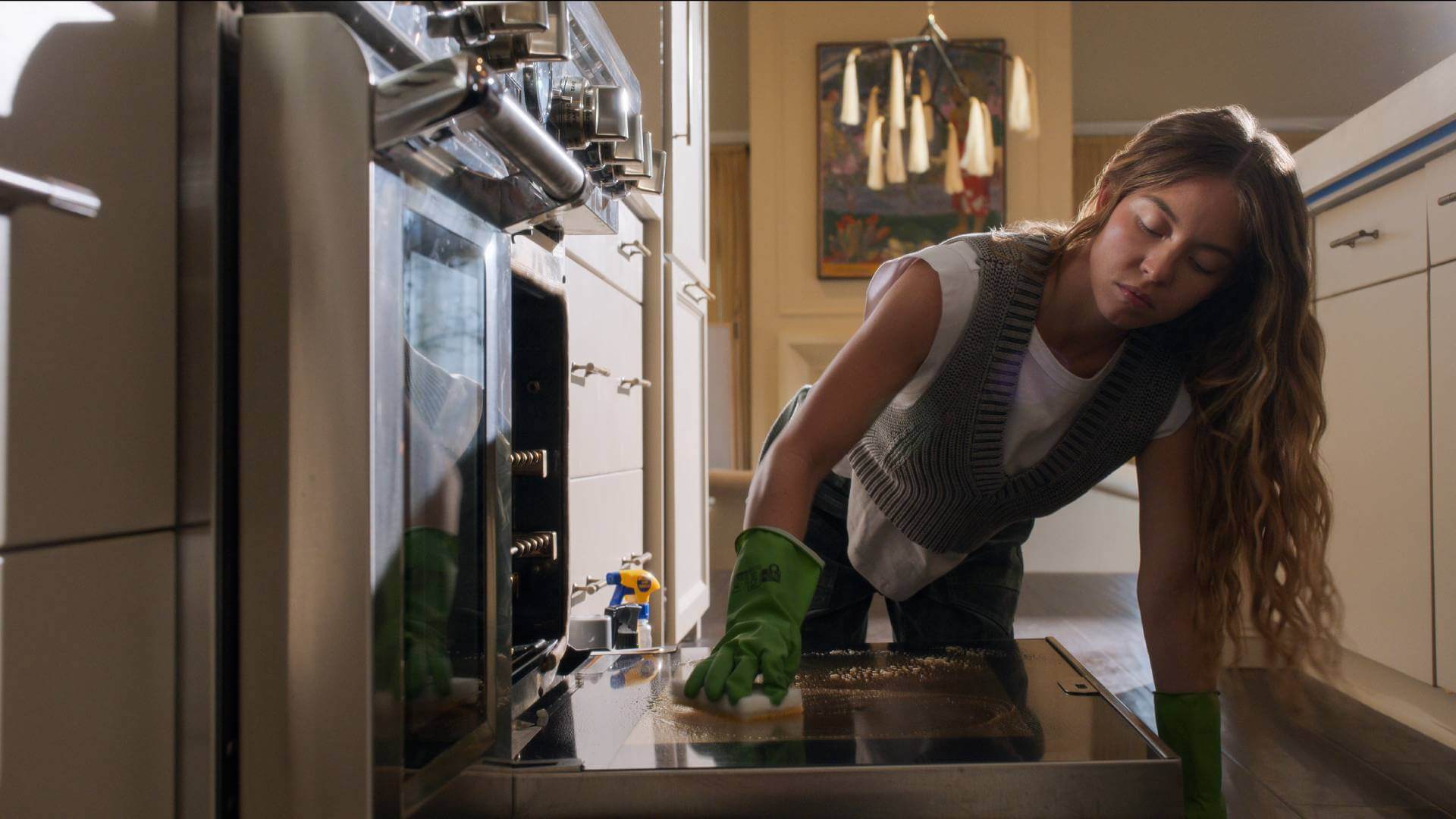
Paul Feig's "The Housemaid" adaptation has spawned a sequel before the first film even hits theaters, signaling confidence in the source material's commercial potential. But studios aren't stopping there. Hollywood is now actively developing multiple projects based on author Freida McFadden's catalogue, recognizing her talent for domestic thrillers with the kind of twist endings that drive word-of-mouth momentum and streaming engagement.
McFadden has built a devoted fanbase through novels like "Never Lie" and "Ward D," which traffic in paranoia, unreliable narrators, and shocking reversals. Her books sit comfortably in the algorithmic sweet spot where prestige thriller ambitions meet genuine page-turning suspense. That's precisely the formula Feig captured with "The Housemaid," a project that attracted serious talent and the kind of studio backing typically reserved for established IP franchises.
The rush to adapt McFadden's work reflects a broader industry trend. Publishers and studios increasingly hunt for book-to-screen properties with built-in fanbases and proven narrative mechanics that translate to visual storytelling. Domestic thrillers occupy a particular goldmine right now. They've proven their viability across prestige television, Blumhouse horror, and streaming platforms where audiences binge-watch with lights on and doors locked.
McFadden's catalogue offers the kind of source material that's relatively affordable to adapt while generating substantial returns. Unlike sprawling fantasy epics or action franchises that demand massive budgets, intimate psychological thrillers shoot lean and mean. They rely on performance, production design, and narrative architecture rather than spectacle. That economics equation has made authors like her enormously valuable to studios chasing profit margins.
Expect announcements rolling out over the coming months as various projects move through development. Some will reach production. Others will languish in