International horror cinema has mastered the art of the opening scene. Foreign filmmakers understand that the first five minutes determine whether audiences surrender to a film's premise or remain skeptical spectators.
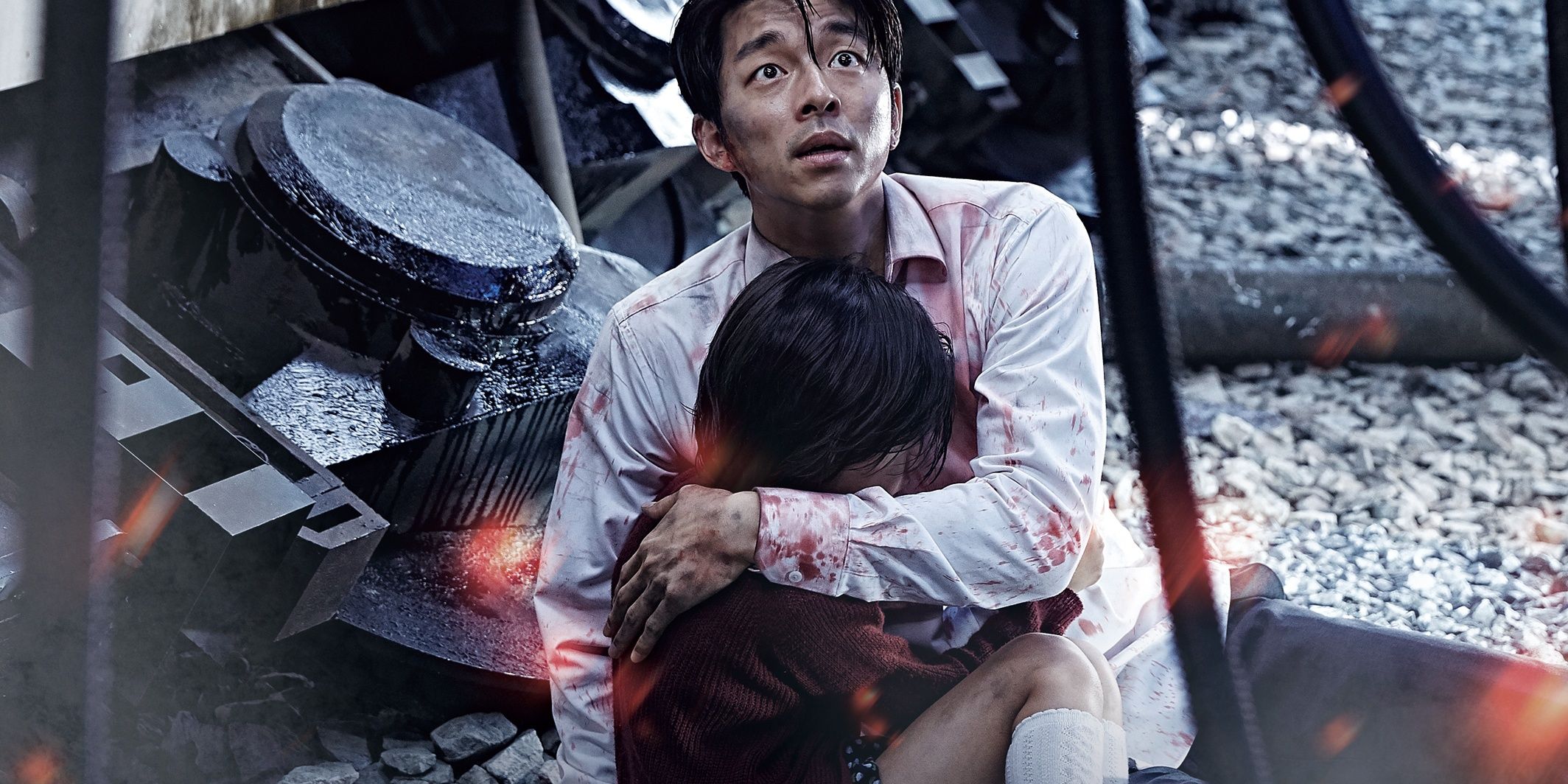
The list anchors on proven hits. "28 Weeks Later," the 2007 sequel that transplanted zombie mayhem to a quarantined London, opens with raw domestic terror before pivoting to outbreak chaos. Director Juan Carlos Fresnadillo establishes stakes through intimate family horror before expanding to large-scale pandemonium. "Train to Busan," the 2016 South Korean phenomenon that turned a Seoul-bound express into a locked-room pressure cooker, launches with subtlety. The zombie outbreak unfolds gradually, trapping commuters in metal cars hurtling toward doom. Yeon Sang-ho builds dread through confined spaces and moral collapse.
"The Vanishing," the 1988 Dutch film directed by George Sluizer, operates in a different register entirely. It opens with a vanishing so sudden and complete that the entire narrative becomes an investigation into absence itself. Sluizer's meticulous setup creates unease through ordinariness disrupted.
These films share a common strategy. Rather than deploying jump scares or grotesquerie immediately, they establish tone and world logic. They trust audiences to recognize horror as atmospheric rather than visceral. Foreign horror directors frequently sidestep American genre conventions. They let silence accumulate. They let characters behave like actual humans confronting impossible situations.
The list reflects how international filmmakers approach genre differently than their Hollywood counterparts. They prioritize psychological dread and social commentary. They embed horror within recognizable landscapes and domestic situations. A commute becomes apocalypse. A family weekend becomes nightmare. A beach disappearance becomes obsession.
What makes these opening scenes transcend their films is portability. They