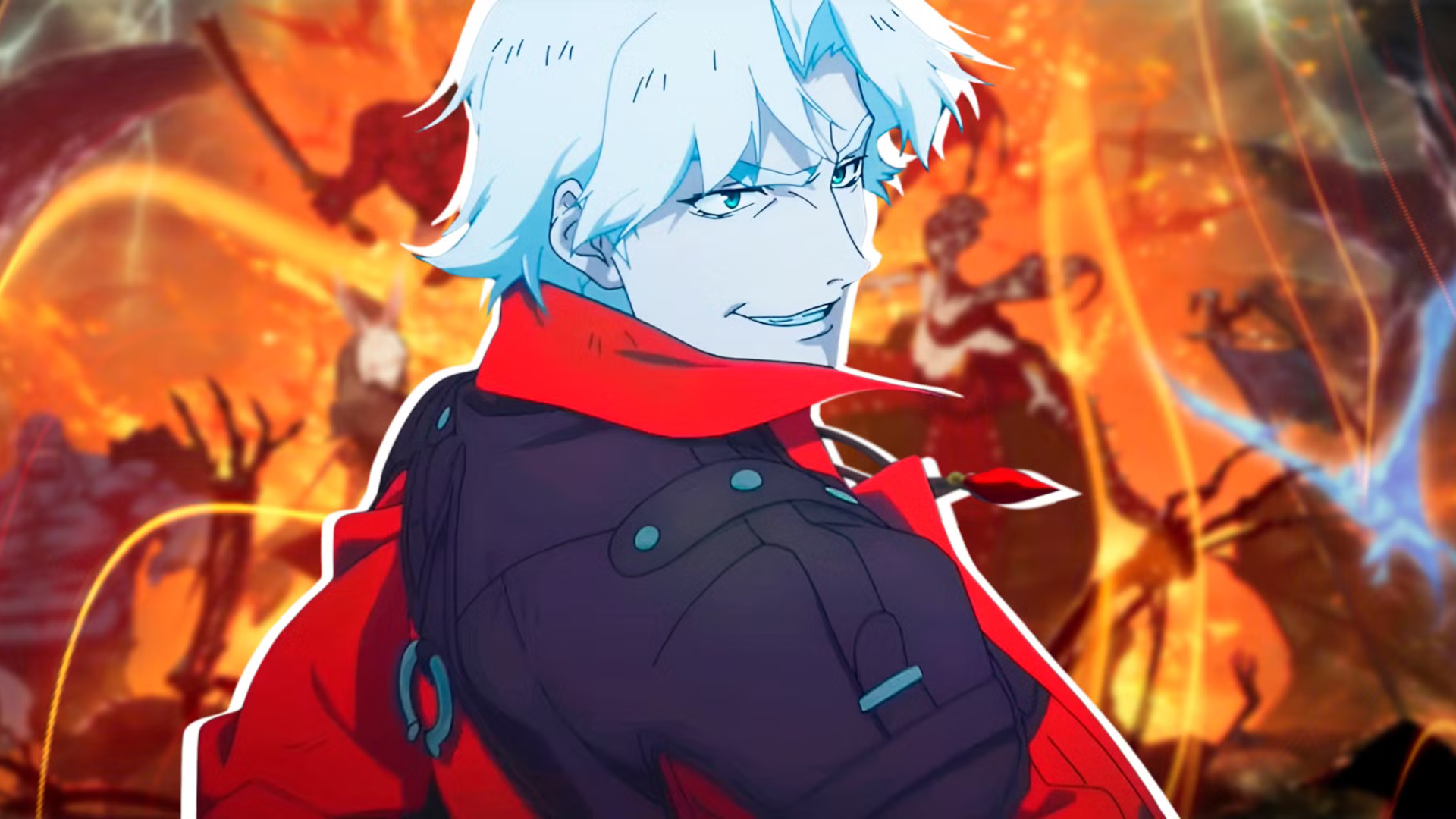
Hideaki Tsuchida, who directed the original Devil May Cry games, shut down criticism of Netflix's anime adaptation with a remarkably brief defense. The streaming service's animated series sparked backlash from longtime fans of Capcom's stylish action franchise, who questioned whether the show captured the games' distinctive tone and character work.
Tsuchida's five-word response cut through the noise: the creative force behind Devil May Cry's legendary inception essentially told skeptics to trust the process. His intervention carries weight in this conversation. Tsuchida doesn't just have credibility with the fanbase. He shaped the entire DNA of the franchise when he directed the original 2001 game that established its gothic aesthetic, over-the-top combat philosophy, and darkly comedic protagonist Dante.
Netflix's Devil May Cry adaptation represents another major gaming IP heading to animation, joining a crowded field that includes Castlevania, Cyberpunk: Edgerunners, and League of Legends' Arcane. The streamer has invested heavily in video game adaptations over the past few years, with mixed results in fan reception. Some projects, like Arcane, transcended their source material to achieve critical and commercial success. Others faced more resistance from purist gaming communities.
The franchise itself carries deep fan loyalty. Devil May Cry spawned five mainline entries plus remakes and spin-offs across multiple generations of gaming, each iteration refining the franchise's signature blend of demon-slaying spectacle and style-based combat scoring. The fanbase tends to be protective of the property's identity.
Tsuchida's brief endorsement suggests Netflix's creative team stayed true to what made Devil May Cry resonate with audiences. His willingness to publicly defend the show indicates the original creative vision influenced the adaptation process. For a director whose work helped define modern action gaming, that