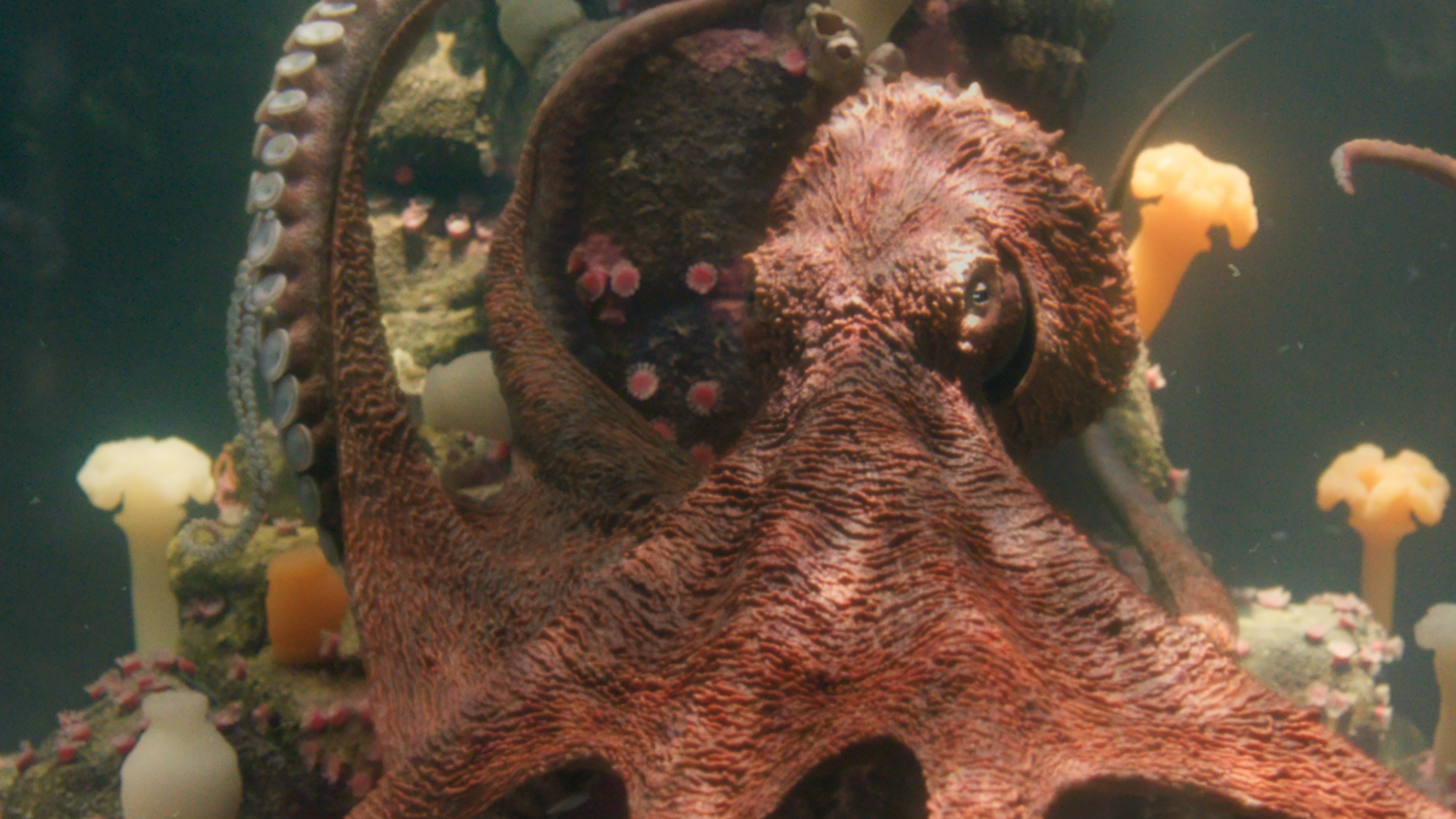
Netflix's "Remarkably Bright Creatures" adapts Shelby Van Pelt's bestselling novel with a notable creative choice: the filmmakers addressed one of the book's most persistent criticisms head-on. The source material drew complaints from readers about character development and emotional depth in certain roles, but the streaming adaptation recalibrates these elements for the screen.
The film stars Kirby and features a story centered on a widow navigating life after loss alongside unexpected human connections. By restructuring character arcs and expanding emotional stakes, Netflix's version delivers what the book left incomplete for some audiences. This represents a smart adaptation strategy, one that acknowledges the gap between prose and cinema. What works on the page often requires reshaping for visual storytelling, where dialogue, performance, and visual language carry weight prose can distribute differently.
Netflix has increasingly positioned itself as a converter of beloved literary properties, competing directly with traditional studios and streamers like Apple TV Plus and Amazon Prime Video for prestige adaptations. "Remarkably Bright Creatures" lands in this ecosystem where faithful book adaptations matter to book club audiences and passionate readers, yet creative improvements matter more to casual viewers seeking accessible, emotionally resonant entertainment.
The decision to fix rather than preserve problematic character work shows the filmmakers trusted their instincts over source material loyalty. This approach mirrors how prestige adapters like HBO have handled recent book-to-screen projects, prioritizing viewing experience over literary fidelity. For Van Pelt's readers encountering this version, the changes signal respect for the property while refusing to replicate its weaknesses.
This fix reflects broader streaming industry trends where adaptations must justify their existence beyond novelty. Books have built-in audiences, but films need universal appeal. Netflix's willingness to course-correct on established criticisms suggests confidence in the material and practical understanding of what makes adaptations work for diverse audiences,