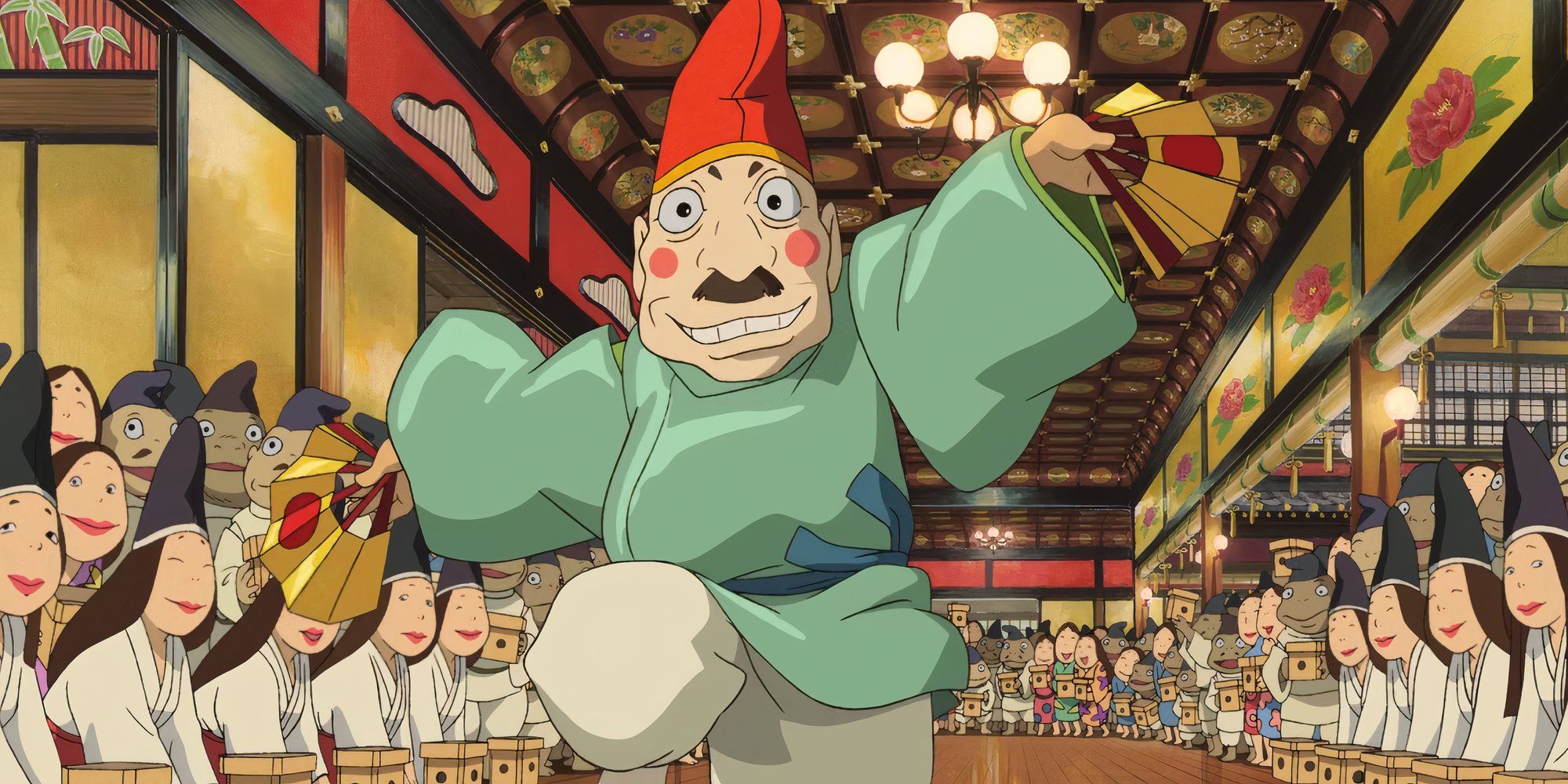
Peter Jackson's "The Lord of the Rings: The Fellowship of the Ring" dominates the fantasy landscape of 2001, establishing what would become one of cinema's most ambitious trilogies. The New Zealand director's adaptation of J.R.R. Tolkien's epic proved that fantasy could command massive budgets, A-list talent, and critical respect simultaneously. Alongside Jackson's live-action triumph, Hayao Miyazaki's "Spirited Away" revolutionized animated fantasy with its lush visuals and mythological storytelling, eventually becoming the highest-grossing anime film of all time.
2001 marked a watershed moment for the genre. Studios suddenly believed in fantasy's commercial viability after decades of skepticism. The Fellowship's opening weekend proved spectacle-driven fantasy could anchor theatrical releases, while Spirited Away demonstrated that non-English language animation could achieve global phenomenon status without diluting its cultural specificity.
Beyond these titans, 2001 delivered "Harry Potter and the Philosopher's Stone," which launched the franchise that would dominate the 2000s, and "Atlantis: The Lost Empire," a Disney adventure that blended fantasy adventure with steampunk aesthetics. The year also saw releases that showed fantasy's range. Shrek arrived as a subversive animated comedy that deconstructed fairy tale tropes. Monster's Ball contained fantastical elements despite its darker theatrical drama positioning.
The collective impact shaped entertainment for two decades. Jackson's Fellowship proved fantasy epics deserved serious production values and complex storytelling. Miyazaki's international success opened doors for anime at multiplexes. Potter's debut established youth-skewing fantasy as bankable IP. Studios subsequently greenlit massive fantasy franchises across streaming platforms and theatrical releases, from "The Chronicles of Narnia" to the Rings of Power universe.
Twenty-five years later