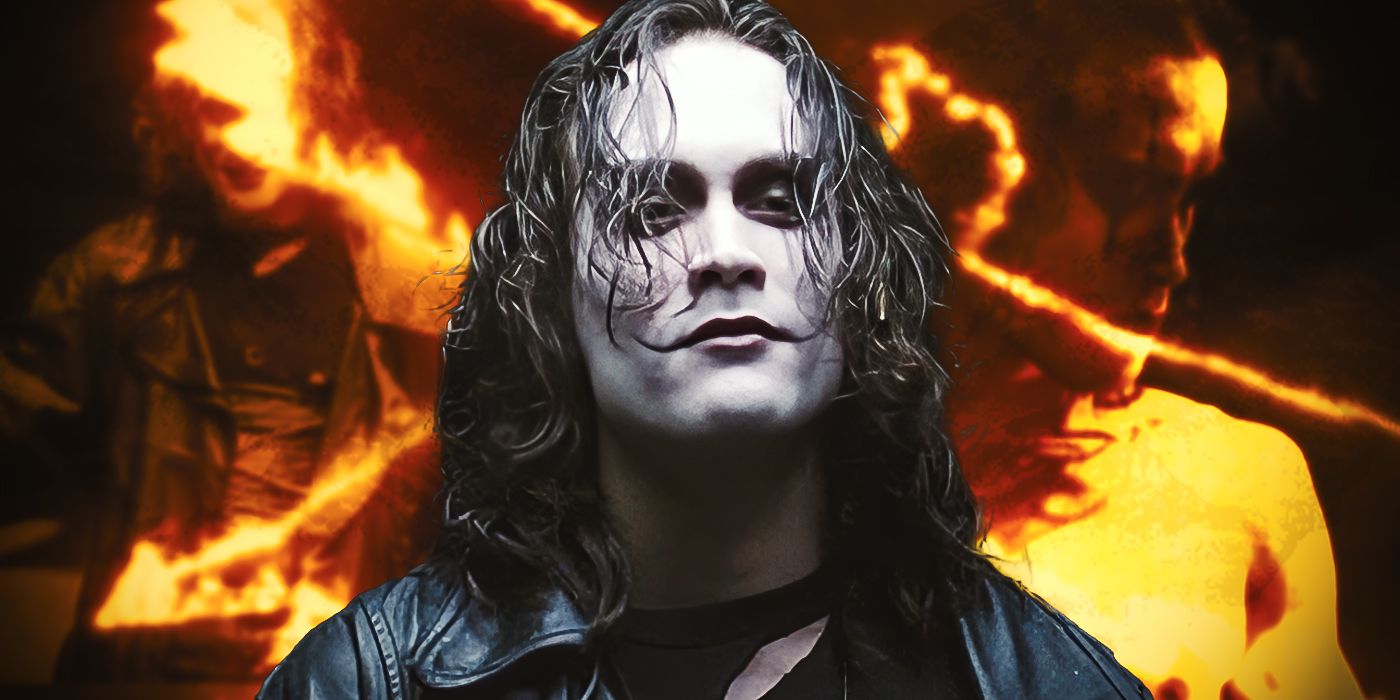
Alex Proyas' "The Crow" stands as the definitive gothic revenge thriller three decades after its 1994 release. The film's visual language, tonal control, and thematic depth continue to influence how modern cinema approaches the vigilante genre.
Brandon Lee's performance as Eric Draven, the undead musician returning to avenge his and his fiancée's murders, transcends the pulp setup through raw emotional authenticity. Lee brings genuine anguish to a character who could have been a one-dimensional avenging ghost. His chemistry with Rochelle Davis, who plays the orphaned Shelley, grounds the supernatural elements in real human consequence.
Proyas constructs a world dripping with stylistic intention. The film's use of industrial nightclubs, gothic architecture, and neon-drenched streets creates an aesthetic that countless filmmakers have attempted to replicate. Graeme Revell's haunting score locks viewers into the film's mournful atmosphere. The action sequences avoid the bloat of modern superhero fare, maintaining intimate scale even during climactic confrontations.
What separates "The Crow" from post-1994 revenge thrillers is its commitment to atmosphere over spectacle. Films like "John Wick" and "Deadpool and Wolverine" owe debt to Proyas' template, yet few match its restraint. The film understands that true dread comes from mood and consequence, not body counts.
The tragedy surrounding Brandon Lee's death during filming adds involuntary poignancy. Viewers cannot fully separate the film from the production accident that killed him. This haunting context transformed the project from a solid genre entry into something approaching myth.
"The Crow" thrives because it respects both its source material and its audience. It refuses easy answers about vengeance while delivering the visceral satisfaction