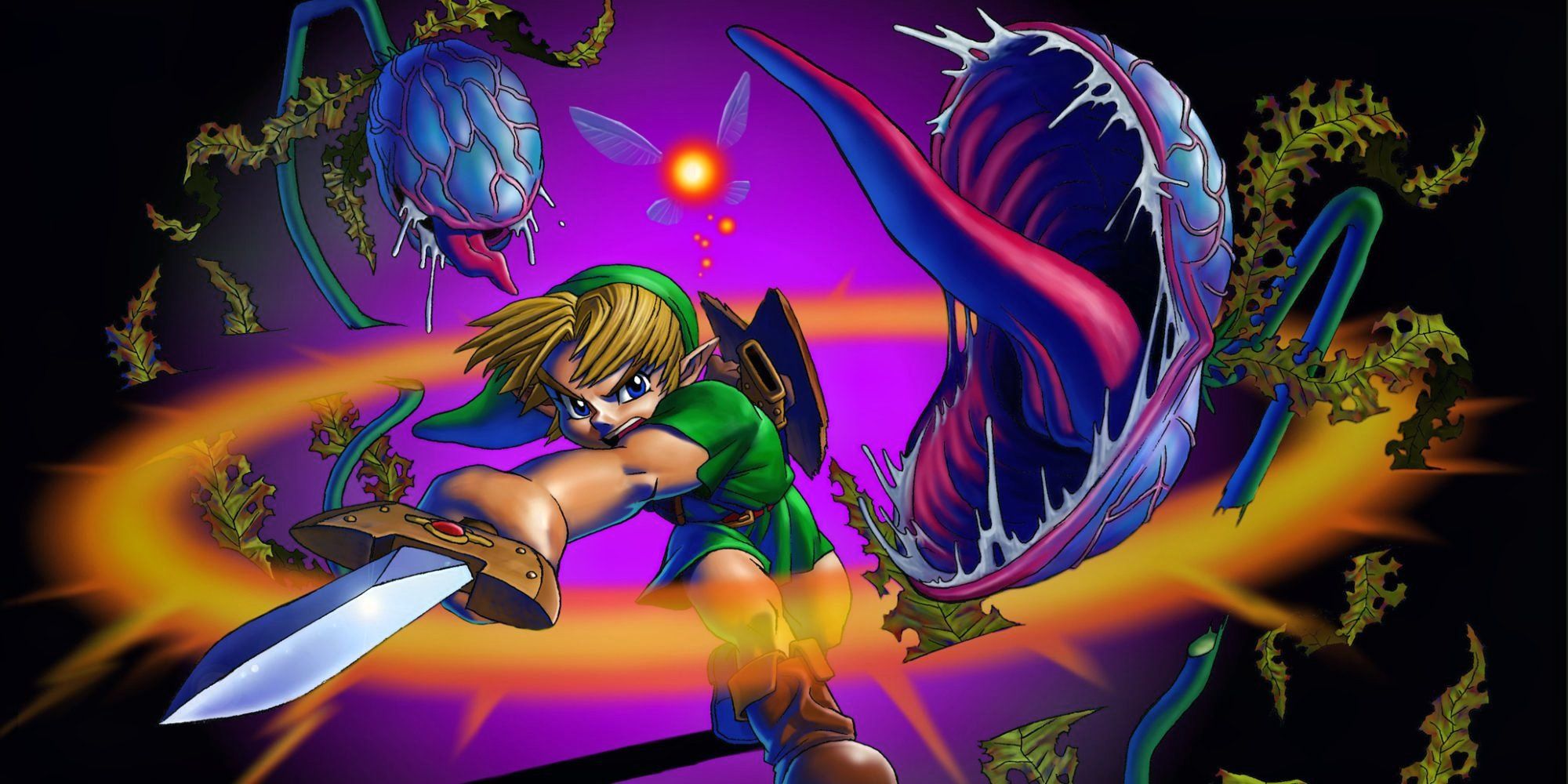
Nintendo's rumored Ocarina of Time remake faces potential issues based on how the company handled its Star Fox 64 remake for Nintendo Switch. The 2011 Star Fox 64 3D for 3DS offered a stripped-down experience compared to the original, removing content and scaling back ambition rather than expanding the classic. If Nintendo applies the same philosophy to a full Ocarina of Time remake, fans expecting a comprehensive modernization could face disappointment.
The Legend of Zelda: Ocarina of Time remains one of gaming's most beloved titles, a genre-defining adventure that essentially invented the 3D action-adventure formula when it launched on N64 in 1998. A contemporary remake would carry enormous expectations from the fanbase. Players anticipate enhanced graphics, updated controls, expanded content, and meaningful improvements that justify revisiting a nearly 30-year-old game.
Star Fox 64 3D's approach suggested Nintendo prioritizes swift production timelines and profitable margins over lavish overhauls. The remake hit the Switch in 2020 after years of anticipation, yet reviewers noted it felt more like a port than a reimagining. Missing mechanics, reduced enemy variety, and simplified level designs signaled that Nintendo treated the project as a quick cash-in rather than a labor of love.
For Ocarina of Time, this pattern would prove problematic. The game's z-targeting system and camera mechanics, revolutionary in 1998, feel clunky by today's standards. A proper remake demands thoughtful redesign of these systems, possibly expanded dungeons, refreshed puzzles, and modernized audio. Half-measures would betray the property's legacy.
The rumor itself remains unconfirmed, but Nintendo's recent remake strategy offers legitimate cause for concern. The studio has shown willingness to satisfy shareholder demands for quick releases over fan desires for comprehensive