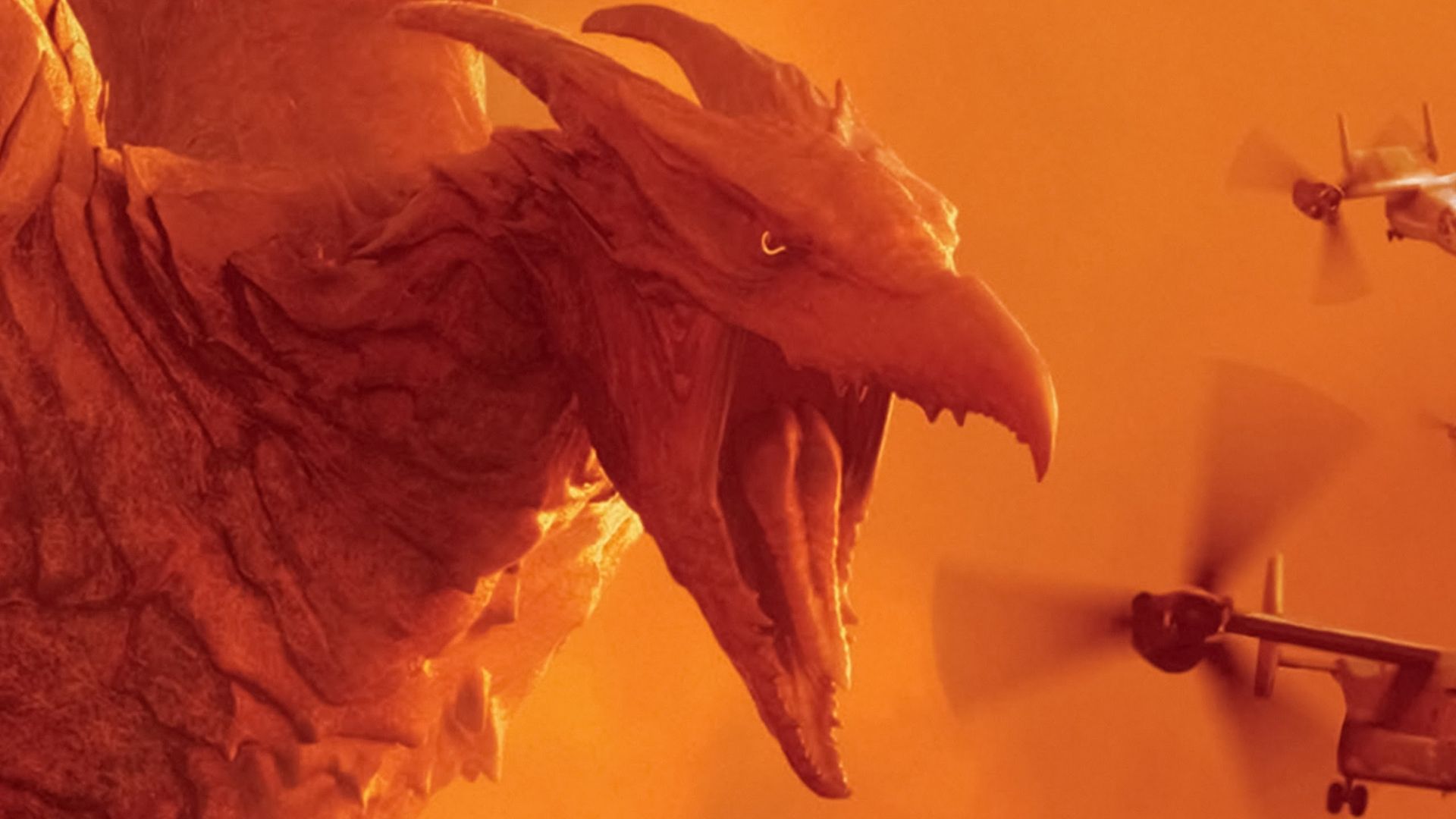
Legendary Pictures is reviving Rodan for its MonsterVerse, marking the kaiju's return after a seven-year absence from the franchise. The three-headed dragon represents untapped potential for the interconnected monster universe that began with 2014's Godzilla and expanded through Kong: Skull Island, Godzilla: King of the Monsters, and Godzilla vs. Kong.
Rodan's comeback opens narrative doors for filmmakers. The character brings a different energy than Godzilla's radioactive nihilism or Kong's sympathetic humanity. Rodan functions as a wildcard in the MonsterVerse ecosystem, a creature whose motivations remain ambiguous enough to serve multiple story functions. He can operate as antagonist, reluctant ally, or chaos agent depending on how screenwriters position him.
The franchise has struggled with balancing spectacle and character development across its titan-focused narratives. Godzilla: King of the Monsters received mixed reviews for prioritizing monster fights over human stakes. Kong: Skull Island found better equilibrium by grounding its action in 1970s Vietnam War context. Godzilla vs. Kong leaned heavily into wrestling spectacle, which satisfied audiences seeking pure blockbuster combat.
Rodan's integration matters because the MonsterVerse needs fresh threat dynamics. Godzilla has settled into an ambiguous protector role. Kong maintains his sympathetic outsider status. Rodan could disrupt these equilibriums, forcing both titans into unexpected alliances or conflicts. His territorial nature and aggressive behavior in previous Toho films suggest aggression without moral dimension.
The MonsterVerse also requires clearer mythology around titan origins and hierarchies. Rodan's return creates opportunity to explore the Three-Headed King concept more deeply, establishing why certain monsters command dominance over others. This world-building