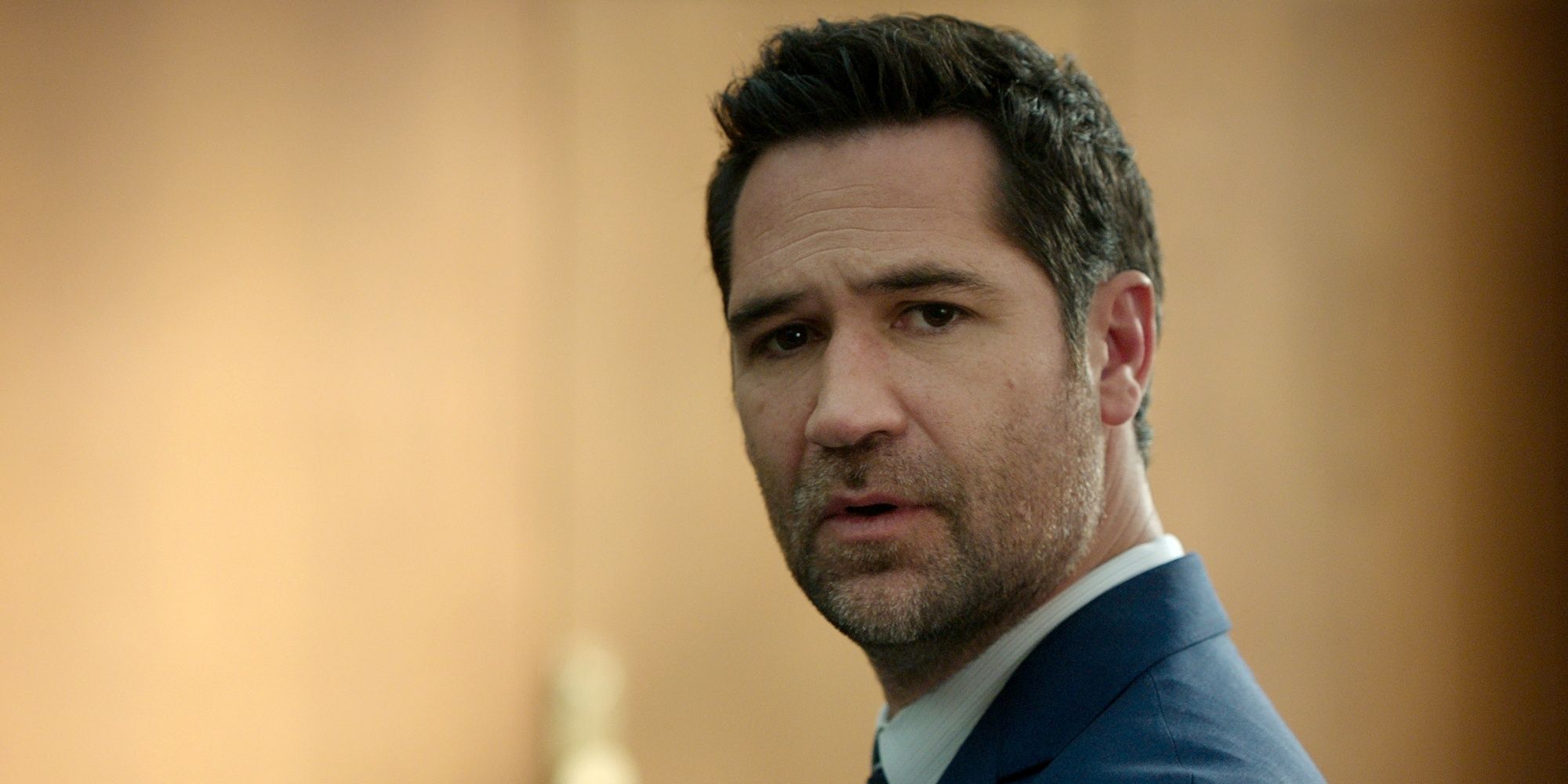
Netflix's abrupt cancellation of "The Lincoln Lawyer" sent fans scrambling to revisit "Presumed Innocent," the nearly 30-year-old legal thriller that's now gaining renewed attention on streaming platforms.
The Mickey Haller drama, based on Michael Connelly's bestselling novels, ended after three seasons without warning. The show had built a loyal audience through its slick courtroom proceedings and David E. Kelley's sharp writing, but Netflix's notorious cancellation patterns struck again, leaving viewers mid-arc with no closure.
Fans responded by seeking refuge in other legal thrillers, with particular interest in the 1990 film "Presumed Innocent" starring Harrison Ford. The movie, based on Scott Turow's novel, explores similar territory. A recent streaming push for the property has made it readily available, and it now serves as comfort viewing for disappointed "Lincoln Lawyer" devotees. The film's examination of a lawyer fighting against mounting evidence and institutional corruption resonates with audiences craving the procedural complexity that "The Lincoln Lawyer" delivered weekly.
This pattern reflects a broader streaming crisis. Netflix's cancellation strategy frustrates viewers who've invested time in serialized narratives, particularly in the legal drama space where multi-season arcs matter. "The Lincoln Lawyer" had developed its ensemble cast and courtroom dynamics carefully, making the abrupt axing feel especially harsh.
The cancellation also highlights streaming's inconsistency with prestige dramas. Shows like "Ozark" and "Breaking Bad" received proper send-offs, yet mid-tier hits struggle for closure. "The Lincoln Lawyer" occupied that dangerous middle ground. Strong enough to attract viewers but not tentpole-level programming in Netflix's cost-conscious era.
For legal drama enthusiasts, this moment underscores a hard truth about streaming. Platform loyalty means nothing when