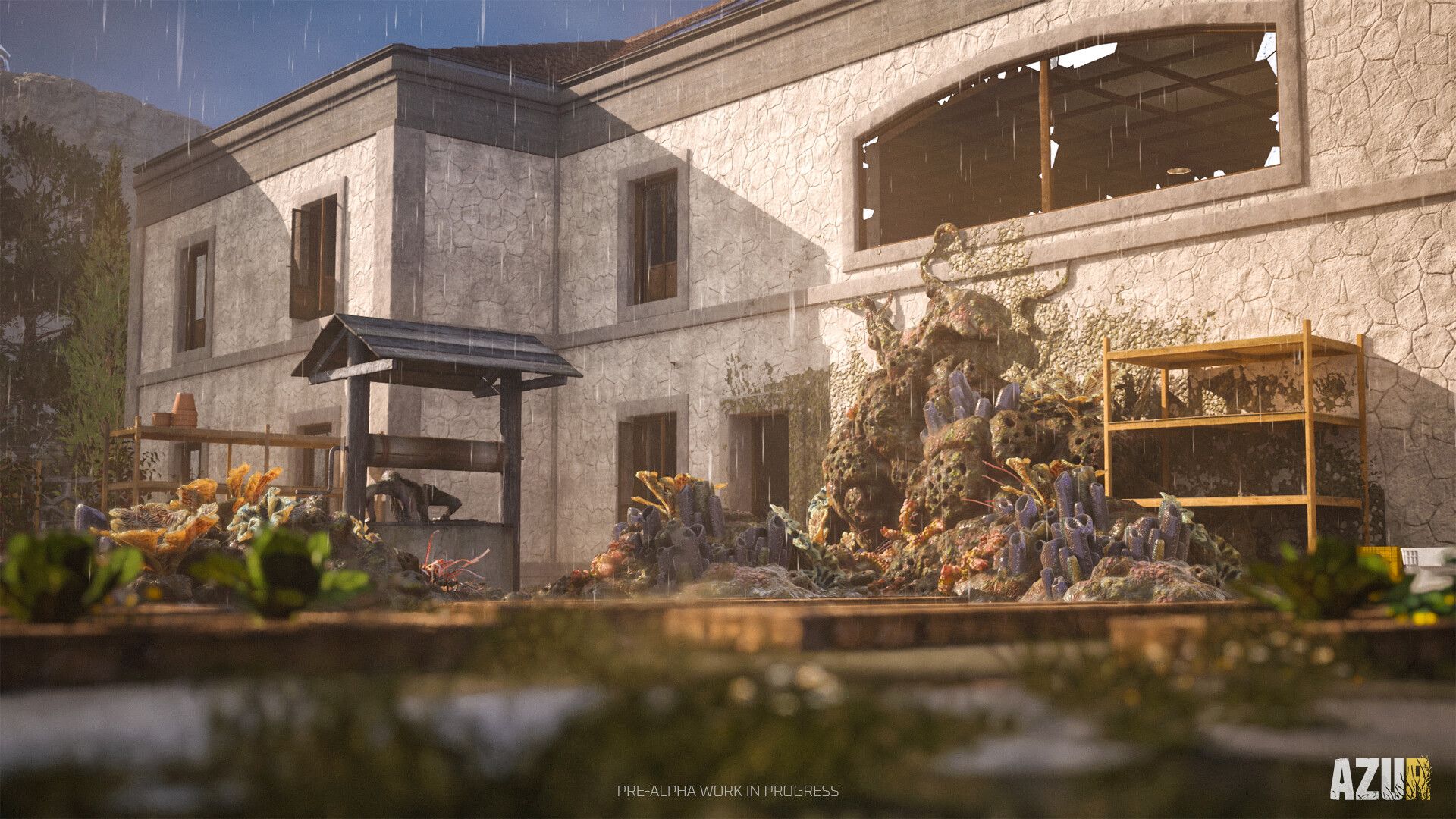
AZUR, a new survival FPS, blends the post-apocalyptic desperation of The Last of Us with Far Cry's open-world chaos and PvP mechanics. The game drops players onto Belmas, a fictional French island overrun with zombies, where they compete against each other while fending off undead hordes.
The premise follows the increasingly popular formula of mixing PvE and PvP combat in contained environments. Players must scavenge resources, fortify positions, and navigate the infected landscape while simultaneously hunting other survivors. The Last of Us comparison speaks to the game's focus on infected enemies as environmental threats rather than mere cannon fodder. The Far Cry influence shows in the open-world sandbox design and how players can approach objectives through multiple tactical routes.
What sets AZUR apart in an oversaturated zombie gaming market is its commitment to island-based survival storytelling. Belmas offers a European setting that contrasts with the American rural locales dominating the genre. The French geography provides fresh visual variety and unique environmental hazards.
The PvP-versus-PvE balance represents the core design philosophy. Players can't simply camp or hide. Zombie pressure forces engagement, creating dynamic matches where alliances shift and survive encounters feel genuinely earned. This mirrors successful titles like Hunt Showdown, which similarly pits players against each other and environmental AI threats.
For streamers and competitive players, AZUR targets the growing audience seeking alternatives to battle royales and extraction shooters. The zombie element adds narrative weight rather than purely cosmetic theming. Survival mechanics matter. Every decision carries weight.
The game arrives at a moment when zombie fatigue is real. The Last of Us franchise dominated prestige television, but gaming audiences have cycled through countless undead titles. AZUR's success depends on whether its mechanics justify the familiar setting. Strong environmental design