# 10 Classic Thriller TV Shows Still Worth Binge-Watching Today
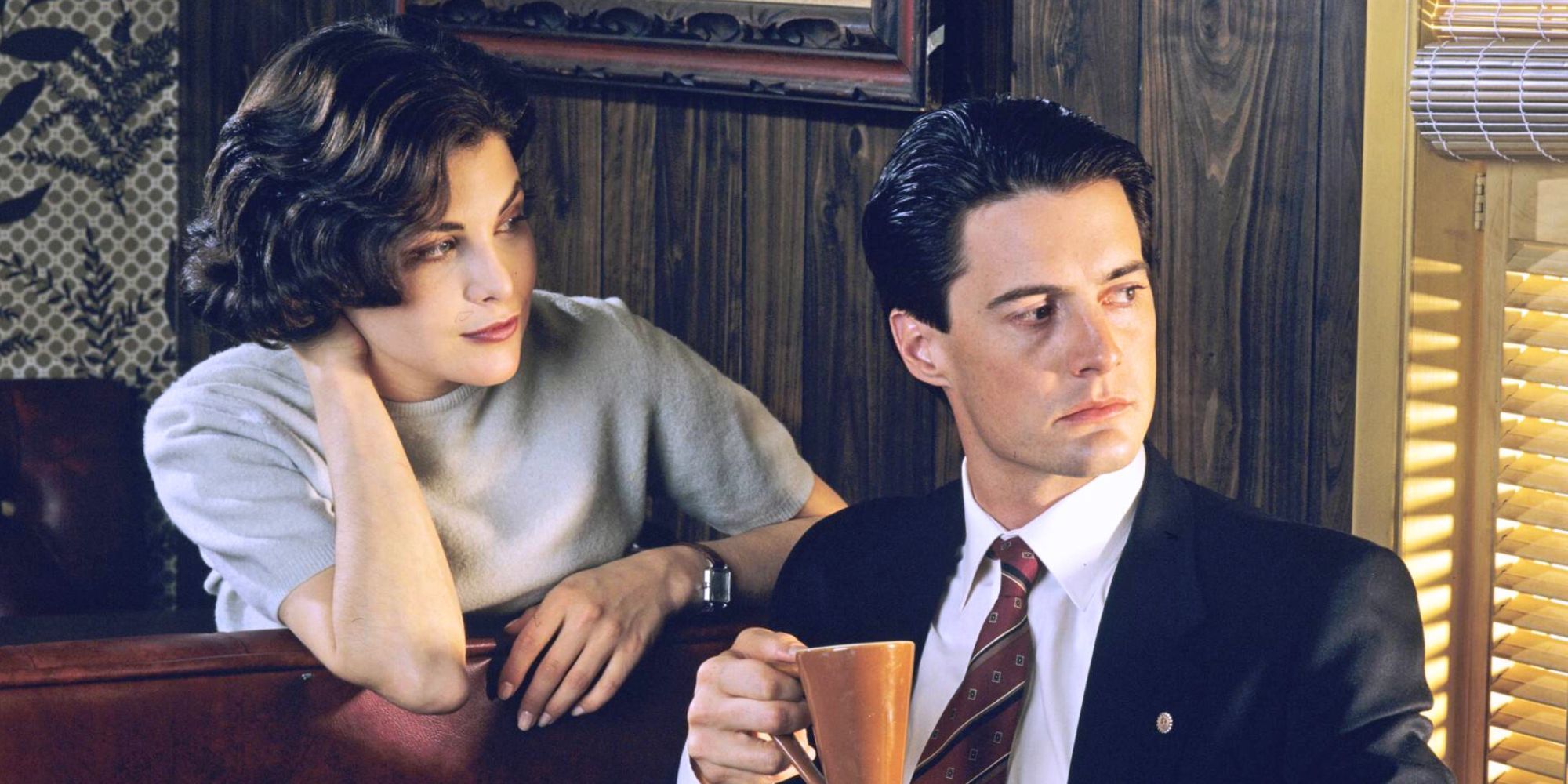
Collider highlights a roster of essential thriller series that shaped television's genre landscape. Twin Peaks stands as the centerpiece, David Lynch's surreal 1990 phenomenon that fractured network television conventions and spawned a 2017 revival. The show redefined what prestige drama could accomplish on the small screen, blending murder mystery with avant-garde storytelling.
Miami Vice anchors the 80s crime procedural evolution. The series transformed MTV aesthetics into serialized drama, launching Don Johnson and Philip Michael Thomas into stardom while establishing the template for stylish cop shows that dominated the decade.
The list spans generations of thriller television. Each series brought distinct innovations to suspense storytelling. Some emphasized psychological unease. Others prioritized action-driven narratives. Several introduced structural experiments that networks initially resisted but audiences embraced.
What unites these shows is their refusal to accept television's limitations as predetermined. They pushed networks toward darker content, complex protagonists, and season-long narrative arcs before prestige TV became an industry standard. Twin Peaks proved audiences would follow abstract, surreal storytelling. Miami Vice demonstrated that television could match cinema's visual ambition.
These series remain binge-worthy because they established grammar that current prestige dramas still employ. The slow-burn mystery structure, the morally compromised protagonist, the willingness to prioritize atmosphere over plot mechanics—all trace lineage to these classics.
Streaming platforms have democratized access to these archives. New generations discover them without broadcast appointment viewing constraints. A viewer can experience Twin Peaks' entire original run in concentrated viewing sessions, understanding how Lynch constructed dread and mystery across episodes. The pacing revelations that felt agonizing week-to-week transform into compelling momentum.
The article positions these shows as historical documents and