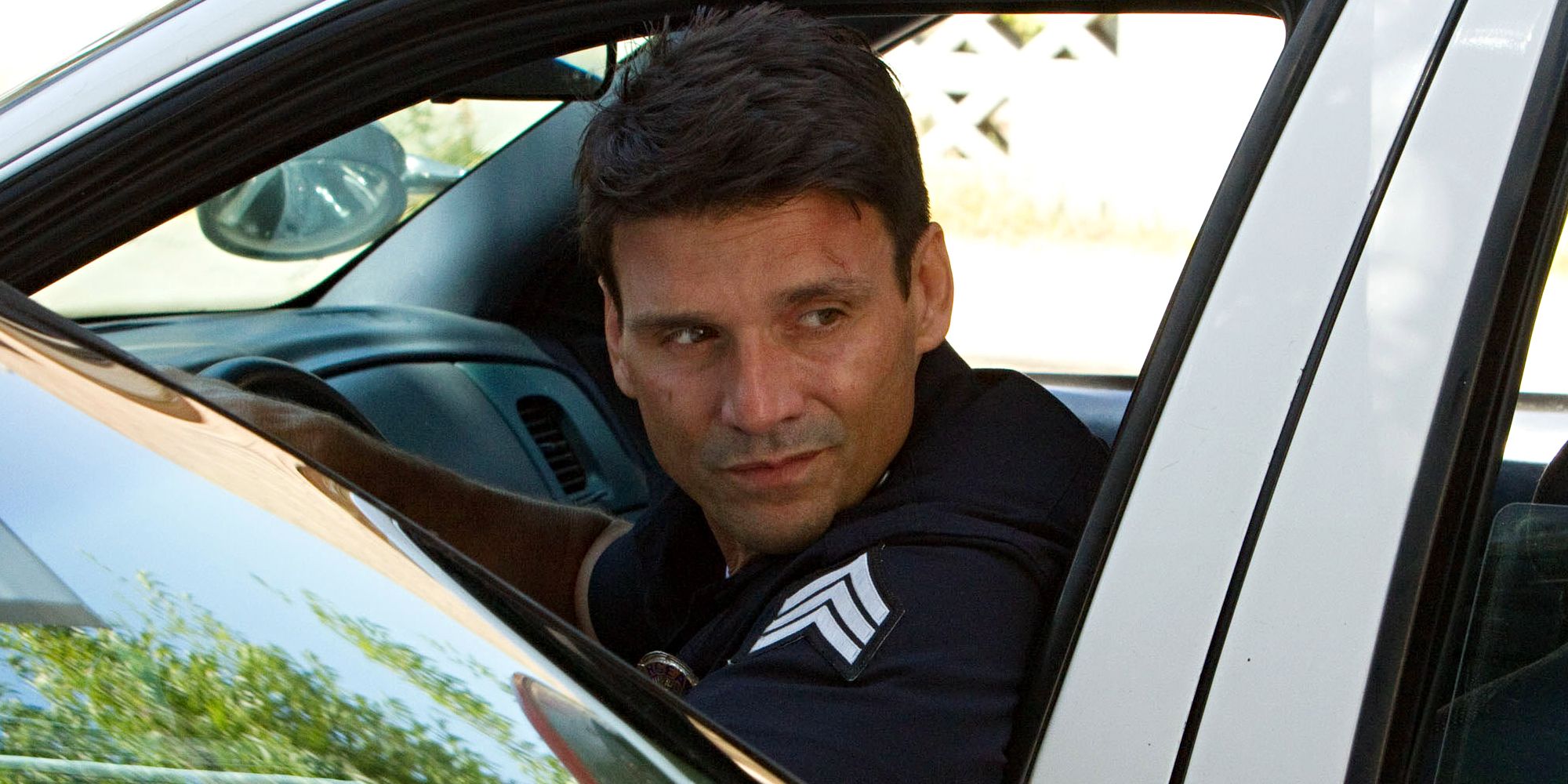
Jake Gyllenhaal's "End of Watch" continues to dominate streaming charts more than a decade after its 2012 release, proving David Ayer's found-footage crime thriller has staying power with modern audiences. The film pairs Gyllenhaal with Michael Peña as two Los Angeles patrol officers navigating the dangerous streets of South L.A., filmed largely through body cameras and dash cams that give the narrative an immediacy and claustrophobic intensity rare for the cop genre.
Ayer directed the film with documentary-like precision, blending handheld authenticity with scripted drama. The approach influenced a wave of similar police procedurals and tactical thrillers that followed, establishing Ayer as a master of street-level crime storytelling before his shift toward blockbuster filmmaking with the DC Universe. Gyllenhaal delivers one of his most grounded performances here, shedding the neurotic intensity he brought to roles like "Nightcrawler" in favor of a more naturalistic, bro-dependent dynamic with Peña.
The film's resurgence on streaming platforms reflects broader audience hunger for grounded crime content amid a glut of superhero and prestige television. "End of Watch" avoids the moralizing that often weights down cop dramas, instead treating its protagonists as flawed professionals operating within institutional constraints. The chemistry between Gyllenhaal and Peña carries the film through its slower, character-building stretches, making their eventual tragedy hit harder.
As streaming platforms compete for eyeballs, catalog titles with proven replay value become valuable assets. "End of Watch" checks multiple boxes: star power, critical credibility, genre appeal, and a runtime manageable for casual viewers. Its ranking as a top streaming choice suggests audiences want visceral, character-driven thrillers that don't require the commitment of