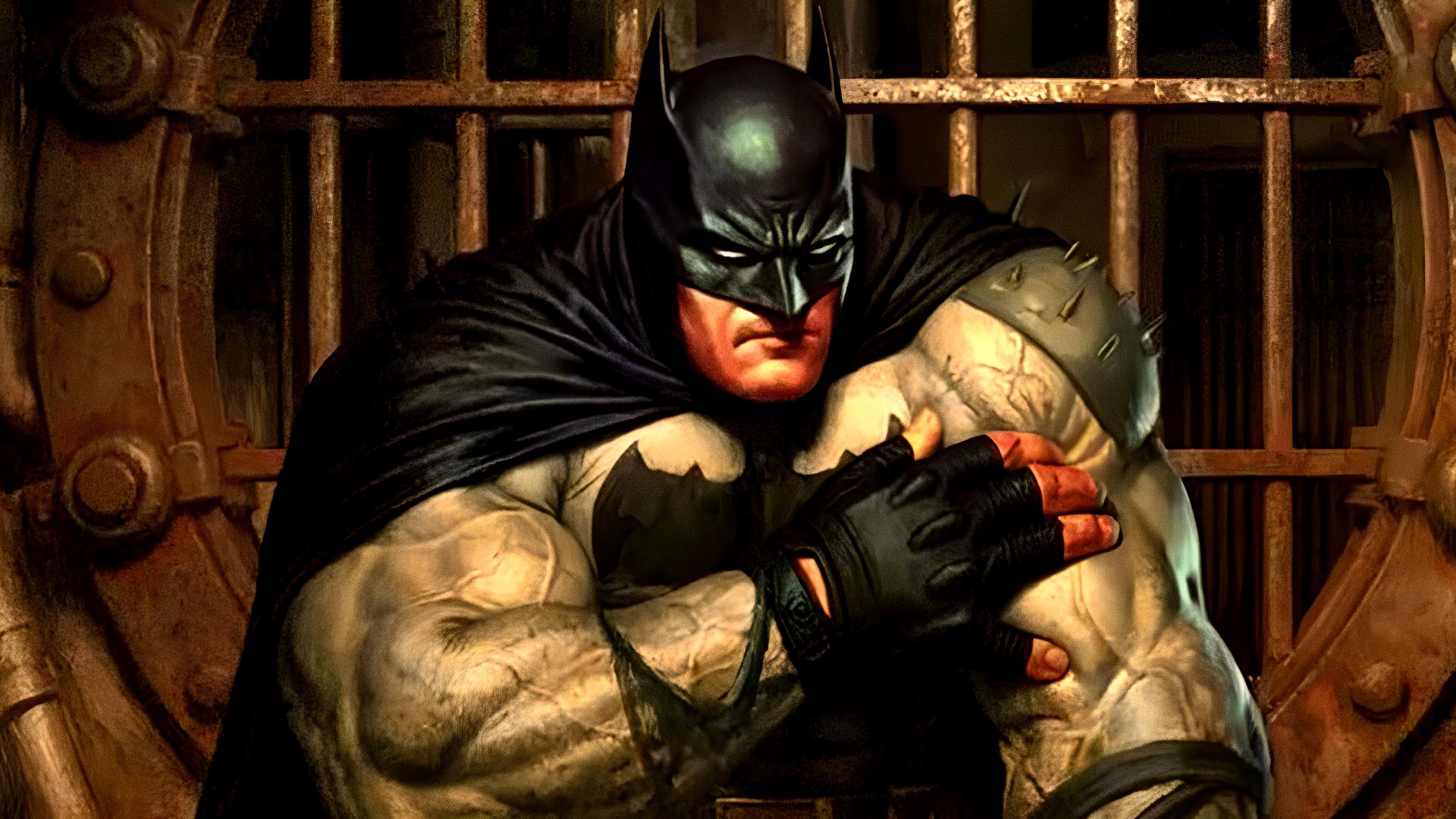
DC Comics is amplifying Scarecrow's terror factor in 2026, transforming Jonathan Crane into a significantly more dangerous threat than his mainstream continuity counterpart. The update strips away Bruce Wayne's traditional defensive strategies, leaving Batman vulnerable to psychological manipulation at levels the Dark Knight has never encountered.
Scarecrow has always weaponized fear as his primary tool, but this new iteration elevates the concept beyond traditional toxins and psychological warfare. DC's redesign taps into what makes the character fundamentally terrifying: his ability to weaponize a person's deepest anxieties at a neurological level. Batman's usual countermeasures, including his willpower and detective skills, prove insufficient against an adversary operating on this amplified spectrum.
The timing aligns with DC's broader 2026 strategy of pushing established villains into darker, more unsettling territory. Rather than relying solely on chemical fear toxins, this Scarecrow operates as a pure psychological terror engine. The character becomes less of a criminal chemist and more of an existential threat that exploits the fundamental human dread Batman himself has long suppressed.
What distinguishes this version from previous iterations is its focus on primal fear itself rather than manufactured panic. Bruce Wayne's psychological armor, built across decades of training and trauma, faces an opponent that renders those defenses moot. Scarecrow stops being a puzzle to solve and becomes a mirror reflecting Batman's own carefully buried vulnerabilities.
This evolution reflects current DC storytelling trends favoring psychological depth over spectacle. The publisher recognizes that horror-adjacent villains resonate with contemporary audiences seeking complex, unsettling narratives. Scarecrow's redesign targets the same audience that embraced characters like Pattinson's Batman in 2022, audiences invested in grounded psychological conflict rather than superhero convention.
The 2026 approach