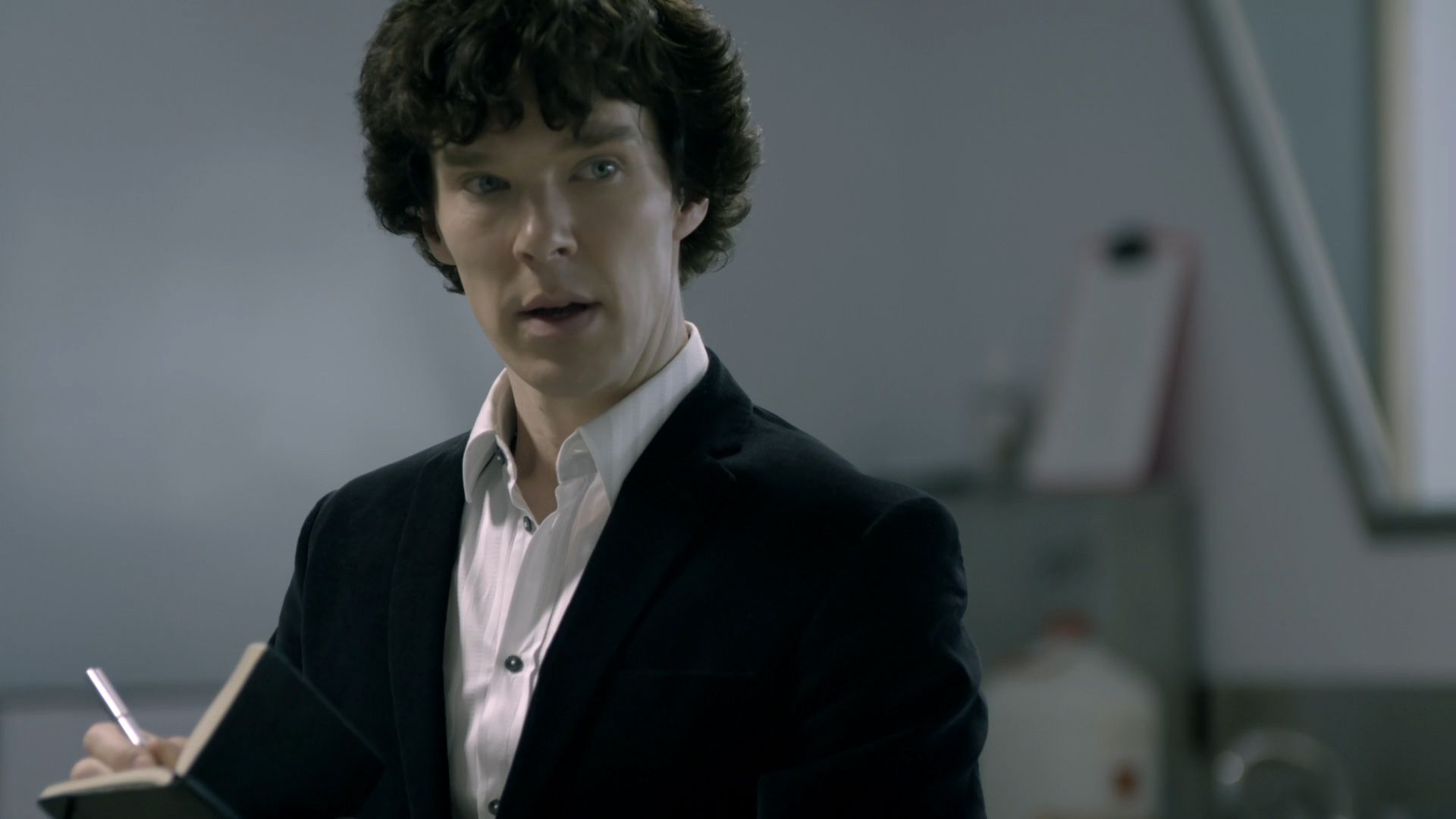
Steven Moffat and Mark Gatiss rewrote the detective procedural playbook when BBC's "Sherlock" premiered in 2010. The show's opening minutes introduced a visual innovation that became its signature: on-screen text overlays that materialized as Sherlock deduced observations about crime scenes and suspects.
This technique transformed how audiences absorbed information. Rather than having Benedict Cumberbatch's Sherlock explain his reasoning through dialogue, viewers watched words float across the screen, mimicking the character's rapid-fire thought process. The visual language made the detective's genius tangible and immediate, cutting through the exposition that plagued traditional procedurals.
The approach solved a fundamental storytelling problem. Classic detective shows relied on lengthy monologues where the protagonist recounts clues and logic. "Sherlock" compressed that into dynamic visuals that kept pacing snappy and held attention. The text elements weren't mere gimmicks. They functioned as a window into Sherlock's mind, letting audiences participate in his deductions in real time.
This innovation rippled across television. Procedurals and dramas adopted similar techniques, recognizing how on-screen text could convey information without slowing narrative momentum. The visual strategy also complemented Moffat's writing approach. His Sherlock moved faster than its Victorian predecessor, with cases resolved in 90 minutes instead of episodic investigations spanning multiple installments.
The show's opening gambit established what made "Sherlock" essential viewing. Cumberbatch brought restless intelligence to the character, playing him as mercurial and modern rather than infallible. Martin Freeman's Watson provided emotional grounding as the audience surrogate. Together with the visual innovation, they created a 21st-century detective story that felt contemporary without abandoning Arthur Conan Doyle's core appeal.
"