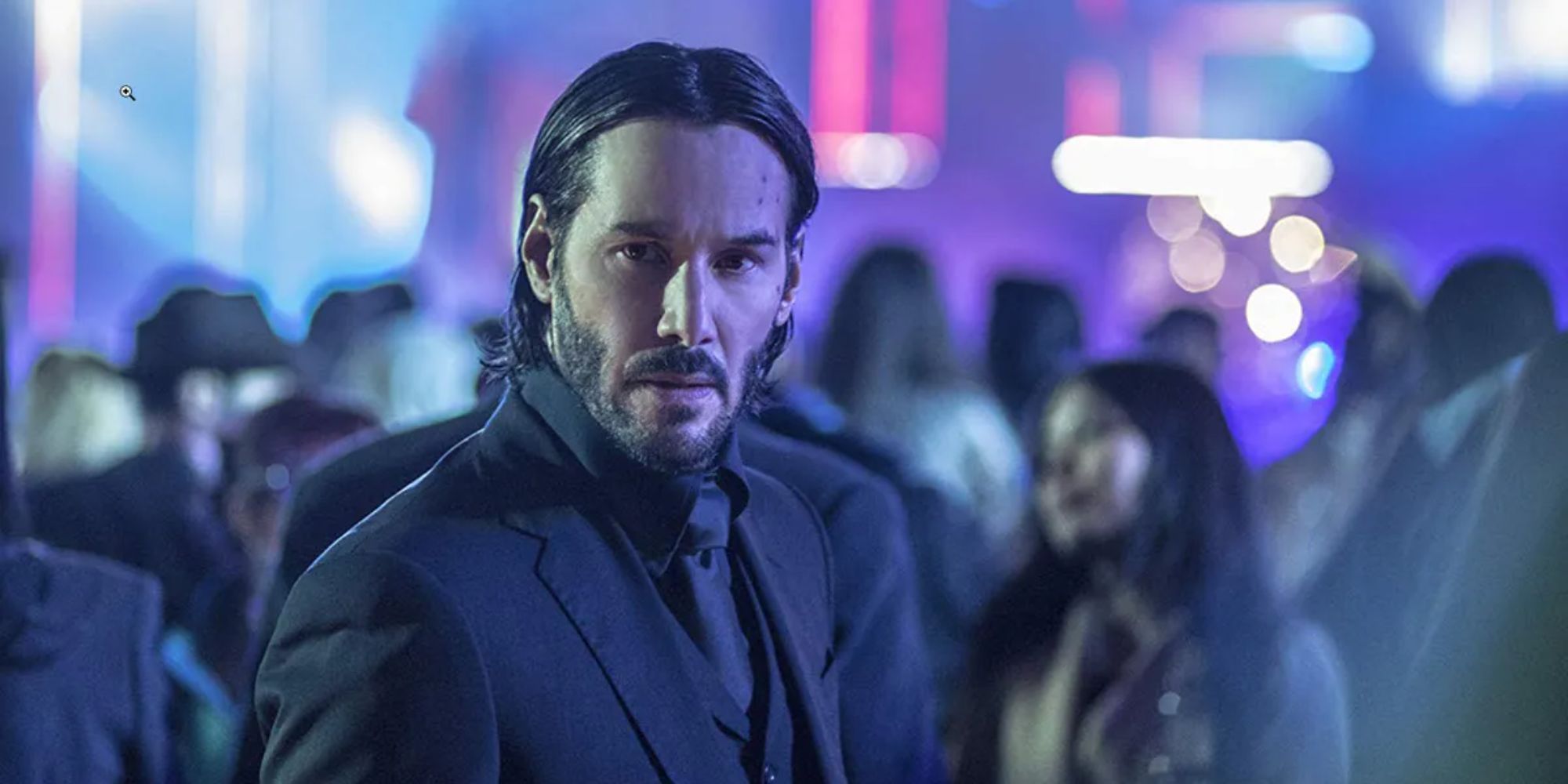
Keanu Reeves' John Wick spends most of the four-film franchise operating as something other than the legendary assassin audiences know him to be. The character earns his fearsome "Baba Yaga" moniker early in the 2014 original, but the narrative rarely allows him to embody that lethal reputation across the sequels.
The franchise trades on mythology over execution. Directors Chad Stahelski builds tension around what Wick could do rather than what he actually does. By the time John Wick: Chapter 4 concludes the saga, Reeves' character has spent more time mourning, hiding, and seeking revenge for personal slights than operating as the contract killer the underworld fears.
The one moment when Wick fully embraces the "Baba Yaga" identity comes when he has nothing left to lose. This scene represents the only instance where the franchise lets the character operate at peak lethality, unshackled from the emotional baggage and honor codes that define his arc across the other three films. It's the rare beat where John Wick becomes the monster the criminal underworld created, rather than the grieving widower seeking redemption.
The franchise's real strength lies in exploring Wick as something more complex than a simple killing machine. Stahelski's films interrogate what it means to build a life outside violence, only to have that peace repeatedly destroyed. John Wick becomes less about the legendary hitman and more about a man defined by loss, duty, and the impossible choice between his humanity and survival.
This structural choice separates the John Wick films from standard action fare. Rather than delivering constant displays of the "Baba Yaga's" prowess, the franchise builds anticipation around a legend that remains largely mythological. The single appearance of the true John Wick