# Summary
Two decades after its finale, "Batman: The Animated Series" remains the gold standard for superhero television animation, a distinction it earned through meticulous storytelling, Bruce Timm's iconic art direction, and a creative team that treated the source material with unprecedented respect.
The series concluded in 1995 after 85 episodes, ending at its creative peak rather than limping toward cancellation. That restraint defined the show's legacy. Creator Paul Dini and producer Bruce Timm crafted a Gotham City that felt lived-in and textured, rendered in dark deco aesthetics that became the visual template for Batman adaptations for decades. The show introduced Harley Quinn, a character so compelling that DC Comics canonized her into mainstream continuity.
What separated "Batman: The Animated Series" from other superhero cartoons was its commitment to character depth. Episodes like "Heart of Ice" reframed Mr. Freeze from campy villain into a tragic figure, while "Almost Got 'Im" delivered one of the finest ensemble villain pieces ever animated. Voice acting elevated every frame. Mark Hamill's Joker became definitive. Arleen Sorkin's Harley Quinn crackled with manic energy. Even minor characters received vocal performances that matched the visual storytelling.
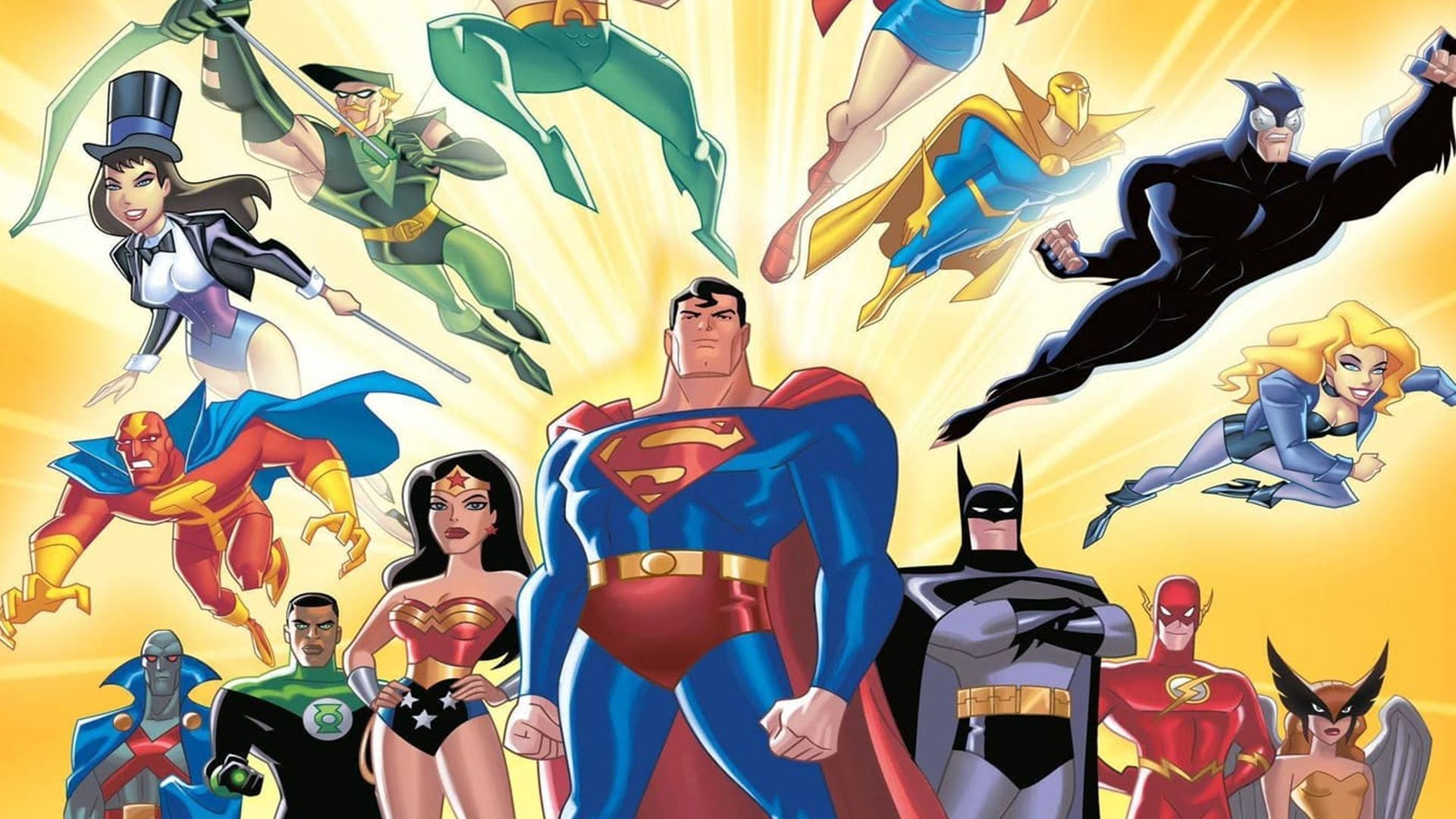
The show ran on Kids' WB and later Cartoon Network during a golden age of animation when networks trusted showrunners to take risks. It spawned "Batman Beyond," "Justice League," and "Batman: Mask of the Phantasm," a theatrical film that holds its own against live-action superhero movies.
Twenty years later, superhero animation has fragmented across streaming platforms and competing visions. Yet nothing has replicated what Timm, Dini, and their team achieved. "Batman: The Animated Series" proved that cartoons