Japan's anime establishment is officially sounding the alarm on isekai saturation. A major entertainment company has publicly blamed the isekai boom for its declining profits, marking a rare moment when industry players openly acknowledge the genre's stranglehold on manga and anime production.
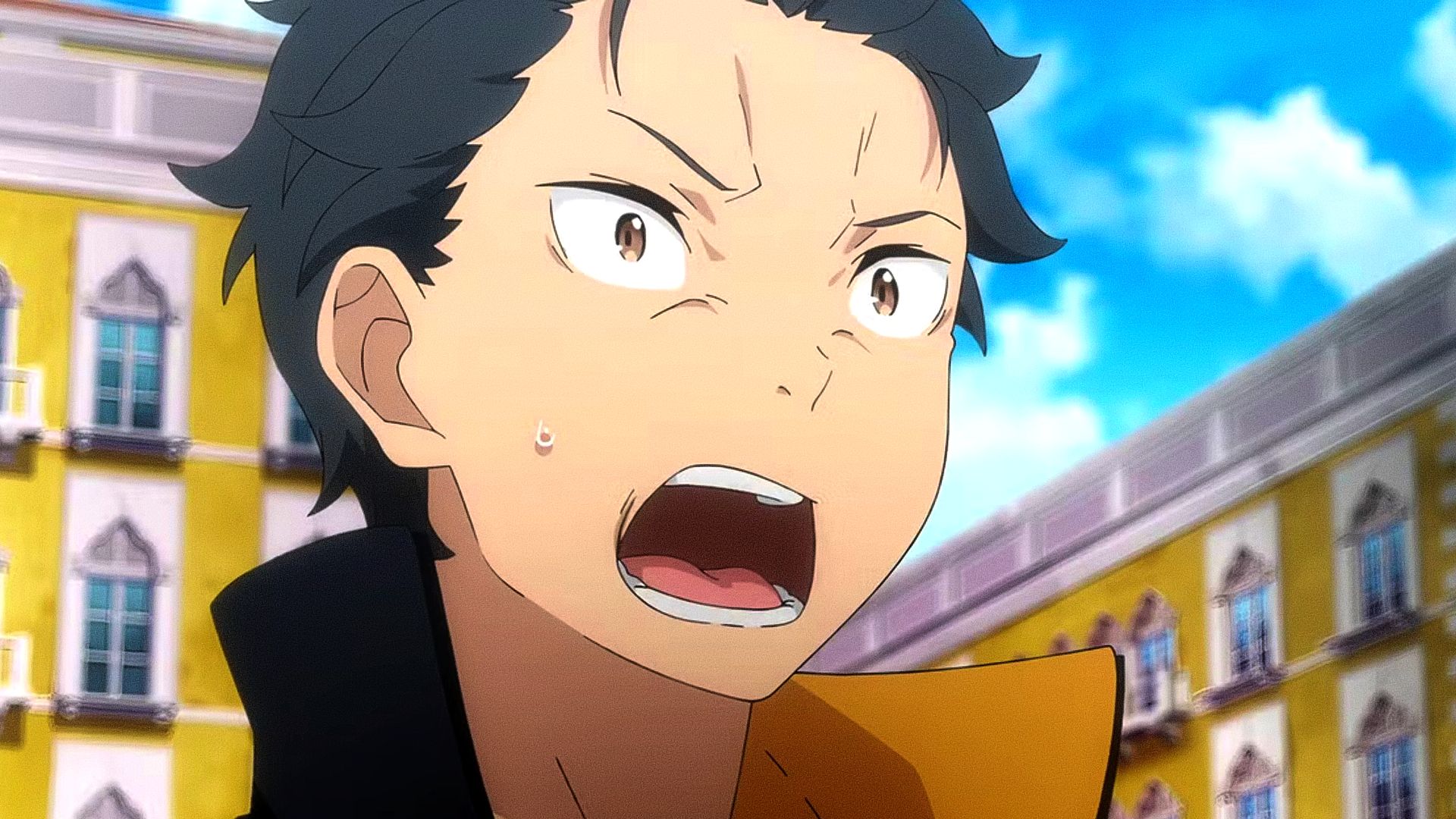
The isekai phenomenon, where protagonists are transported to alternate worlds or reincarnated with newfound powers, exploded over the past decade. Titles like "That Time I Got Reincarnated as a Slime," "Re:Zero," and "Sword Art Online" generated massive fan followings and streaming revenue. Studios responded by greenlighting isekai projects at scale, flooding both manga shelves and seasonal anime lineups with similar premises.
This oversaturation now creates a paradox. While individual isekai hits still perform well, the sheer volume dilutes audience engagement across the category. Viewers fatigued by repetitive formulas opt out entirely. Studios that invested heavily in isekai pipelines face margin compression as competition intensifies and novelty wears thin.
The company's public statement signals a turning point. Rather than quietly adjusting strategy, this player chose transparency about isekai's industry-wide drag on profitability. It reflects frustration shared across production committees, publishers, and streaming platforms struggling to differentiate their content in a crowded marketplace.
The backlash creates space for alternative genres. Titles emphasizing distinct storytelling, character development, and worldbuilding beyond isekai tropes gain traction with audiences hungry for fresh narratives. Studios now face pressure to greenlight projects with broader appeal and creative risk.
This moment echoes past anime industry cycles. Magical girl shows, battle shonen, and harem comedies each enjoyed periods of dominance before saturation forced evolution. Isekai appears to be entering that reckoning phase. The genre won't disapp