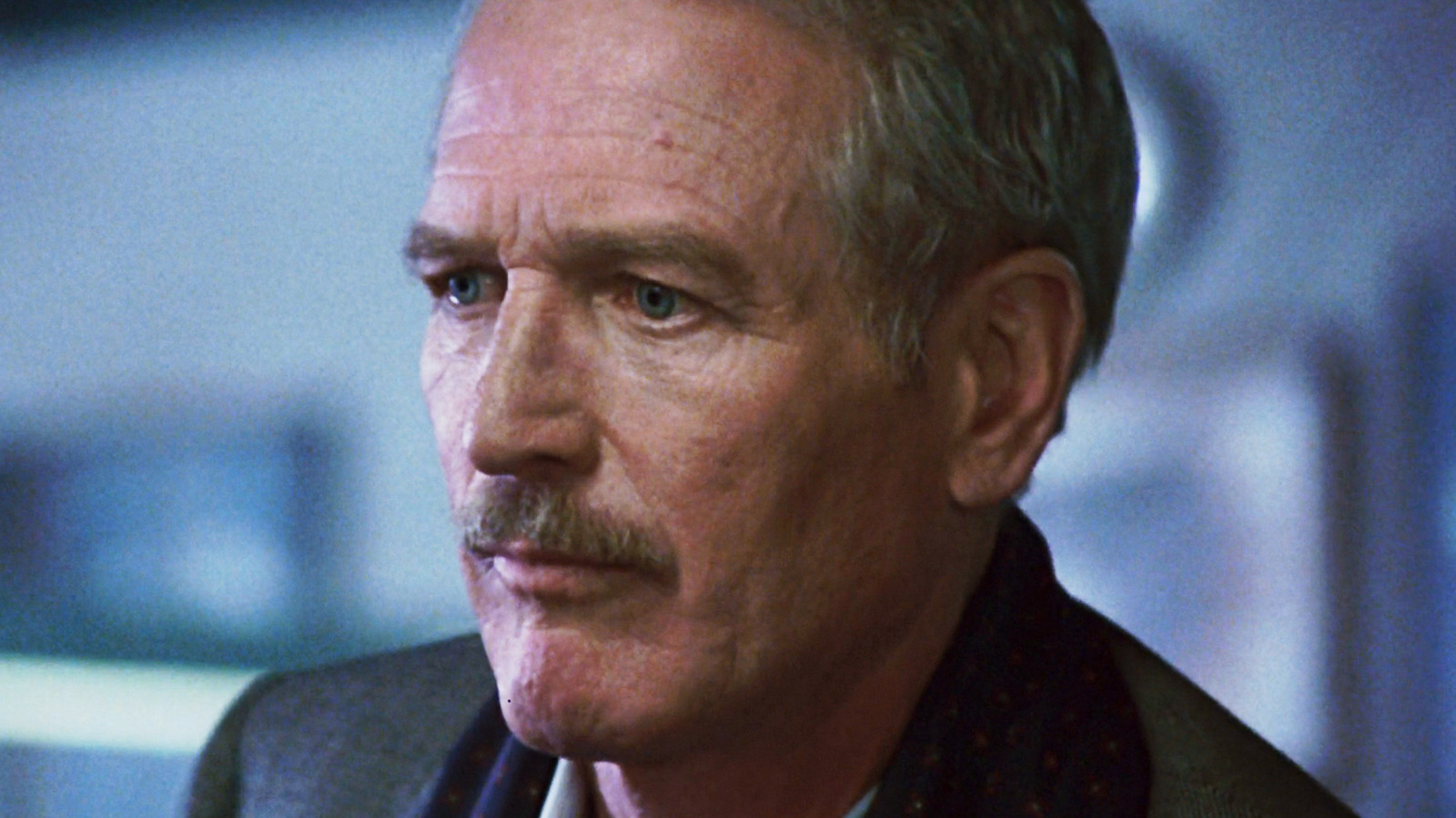
Paul Newman's Emmy victory came late in his career through a 1987 HBO miniseries titled "The Oldest Rookie," a project that has largely faded from cultural memory despite Newman's involvement. The acclaimed actor, who spent most of his career waiting for Oscar recognition before finally winning for "The Color of Money" in 1987, earned his sole Emmy nomination and win for this small-screen project around the same period.
Newman's Emmy win underscores a curious footnote in television history. While he dominated film for decades, winning accolades and audience devotion through iconic roles in "Cool Hand Luke," "Butch Cassidy and the Sundance Kid," and "The Sting," his television work remained sparse. His pivot to HBO marked a rare venture into prestige television at a time when theatrical film still held the industry's top tier of talent.
"The Oldest Rookie" brought Newman into the emerging HBO prestige model years before premium cable became the default destination for A-list actors. The miniseries demonstrated the network's early ambitions to attract major film talent, a strategy that would reshape the industry landscape. Yet despite Newman's participation and critical acclaim, the project never entered the cultural canon the way his films did.
This overlooked miniseries reveals how Emmy recognition functioned differently than Oscar consideration during the 1980s. Newman's delayed Oscar win for "The Color of Money" reflected the Academy finally catching up to his decades-long mastery. His Emmy, meanwhile, arrived through a format and platform many audiences simply never encountered or remembered.
Today, streaming services pursue the exact strategy HBO pioneered in the 1980s. Netflix, Apple TV Plus, and others now regularly land major film stars for limited series and prestige dramas. Newman's "Oldest Rookie" venture appears prescient in retrospect, though its obscurity serves as a reminder that