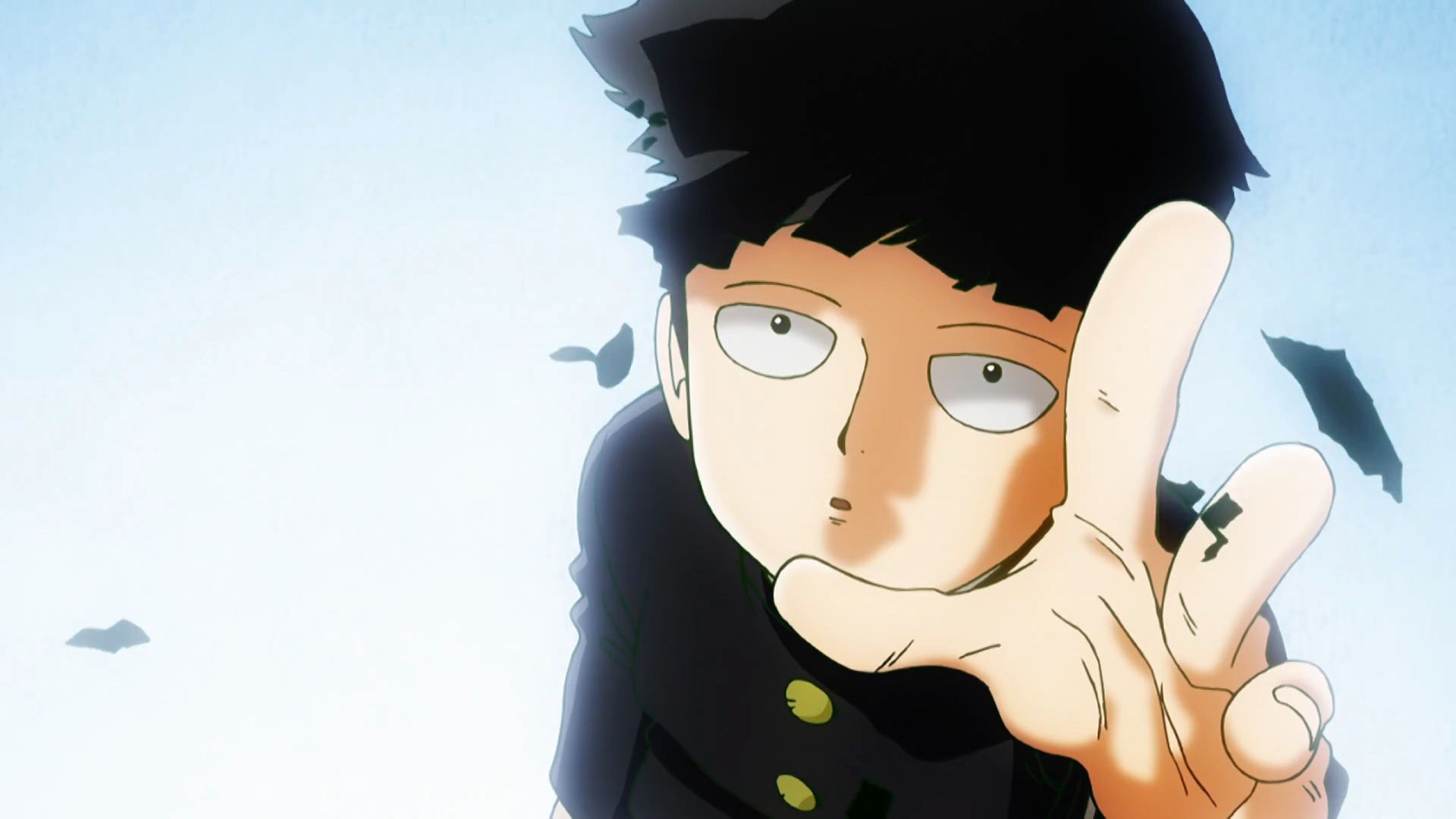
Mob Psycho 100 stands as the defining anime of its generation, a series that fundamentally reshaped shonen storytelling when it debuted a decade ago. Creator ONE's adaptation, helmed by director Yuzuru Tachikawa at studio bones, stripped away the genre's typical power-scaling obsessions to prioritize character depth and emotional authenticity.
The series follows Shigeo Kageyama, a middle schooler burdened with overwhelming psychic abilities who just wants a normal life. That premise alone diverges sharply from conventional shonen formulas, which typically celebrate raw power. Instead, Mob Psycho 100 uses its supernatural framework to explore adolescent anxiety, self-worth, and the messy process of becoming human. The show earned critical acclaim for balancing comedy, introspection, and action without sacrificing any element.
Visually, the series remains unmatched. Bones invested heavily in animation sequences that transformed static manga panels into kinetic, expressive movement. Fight scenes explode with inventive choreography, while quieter moments pulse with character animation that captures micro-expressions and subtle body language. This technical commitment elevated anime production standards across the medium.
The cultural impact ripples through contemporary anime. Studio Bones' success with Mob Psycho 100 influenced how the industry approached character-focused narratives within action frameworks. Subsequent shonen properties adopted similar tonal complexity and visual ambition, recognizing that audiences craved substance alongside spectacle.
Ten years later, Mob Psycho 100 resists aging. Rewatches reveal layered storytelling, hidden callbacks, and thematic coherence that reward close attention. The series concluded with three seasons plus a film, each installment refining the formula while maintaining the core appeal: a protagonist who wins through understanding rather than destruction.
The anniversary undersc