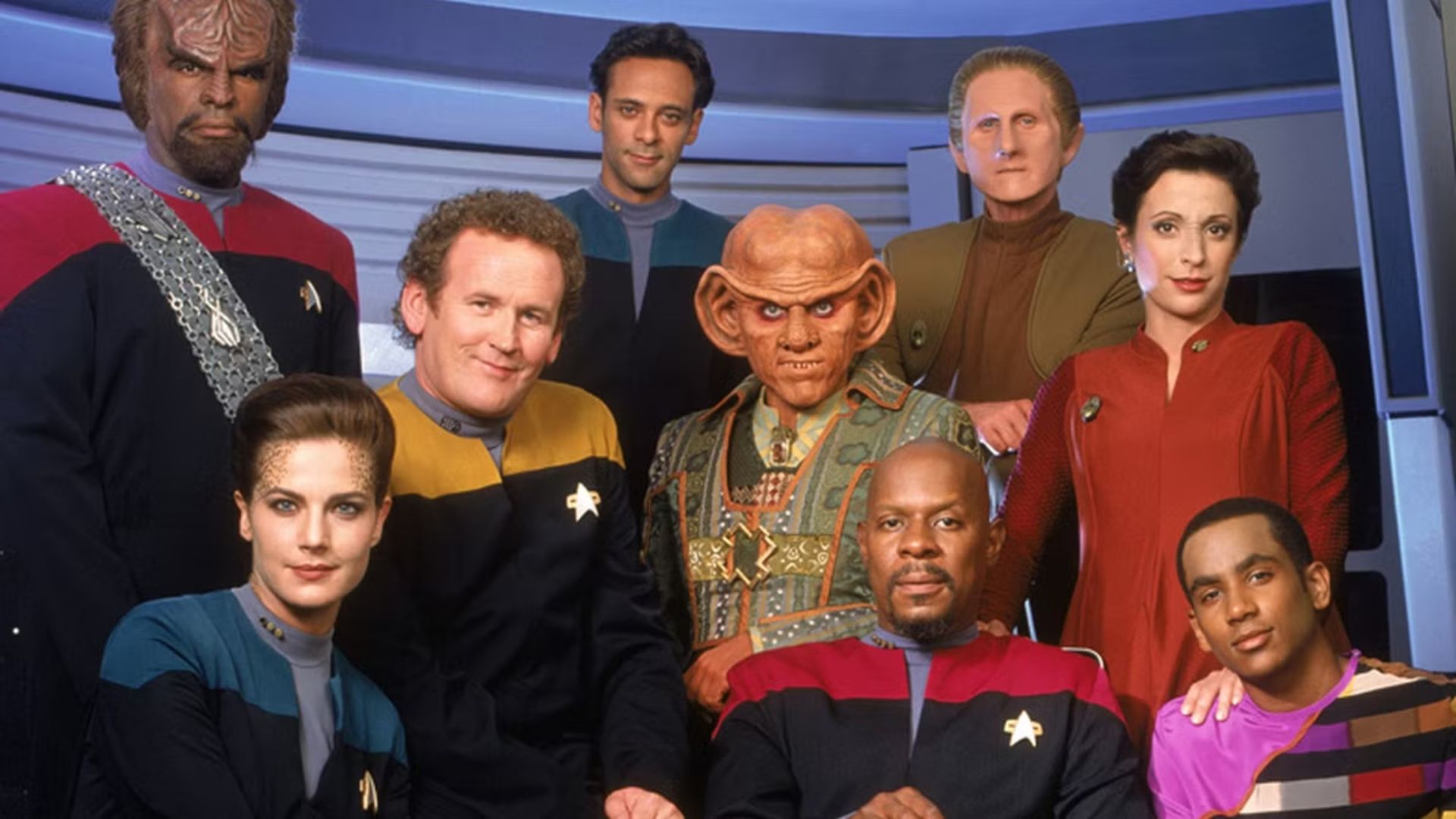
Paramount's commitment to reviving Deep Space Nine signals a strategic pivot for Star Trek. The franchise has greenlit a new series set in the DS9 universe, moving beyond the episodic exploration model that defined earlier Trek properties. This represents the franchise finally embracing serialized storytelling as its core operating system.
Deep Space Nine historically stood apart. While The Original Series and The Next Generation followed the "planet-of-the-week" formula, DS9 built complex mythology around its stationary setting. The show's Dominion War arc, intricate character development, and serialized narrative structure positioned it ahead of its time. For decades, Paramount treated it as the franchise's stepchild. Now, executives recognize that serialized drama dominates prestige television. Shows like The Mandalorian, Andor, and The Rings of Power prove audiences crave interconnected storytelling with long-form payoff.
The new DS9 series taps into the property's built-in mythology while answering fan demands. The station's location at the intersection of the Alpha and Gamma Quadrants, its role in recovering from the Dominion War, and its deep bench of compelling characters provide rich material. Nolan North, Andrew Robinson, and other legacy cast members have expressed interest in returning, suggesting Paramount plans continuity rather than complete reboots.
This move corrects a franchise mistake. Discovery, Picard, and Lower Decks each experimented with varying serialization levels, but none fully committed to DS9's unique potential as a contained setting for complex storytelling. A proper DS9 continuation honors what made the original resonate with dedicated viewers while acknowledging what prestige television demands now.
The franchise has finally understood that DS9 wasn't ahead of its time by accident. It was fundamentally right. The new series positions Star Trek to compete in an era where audiences