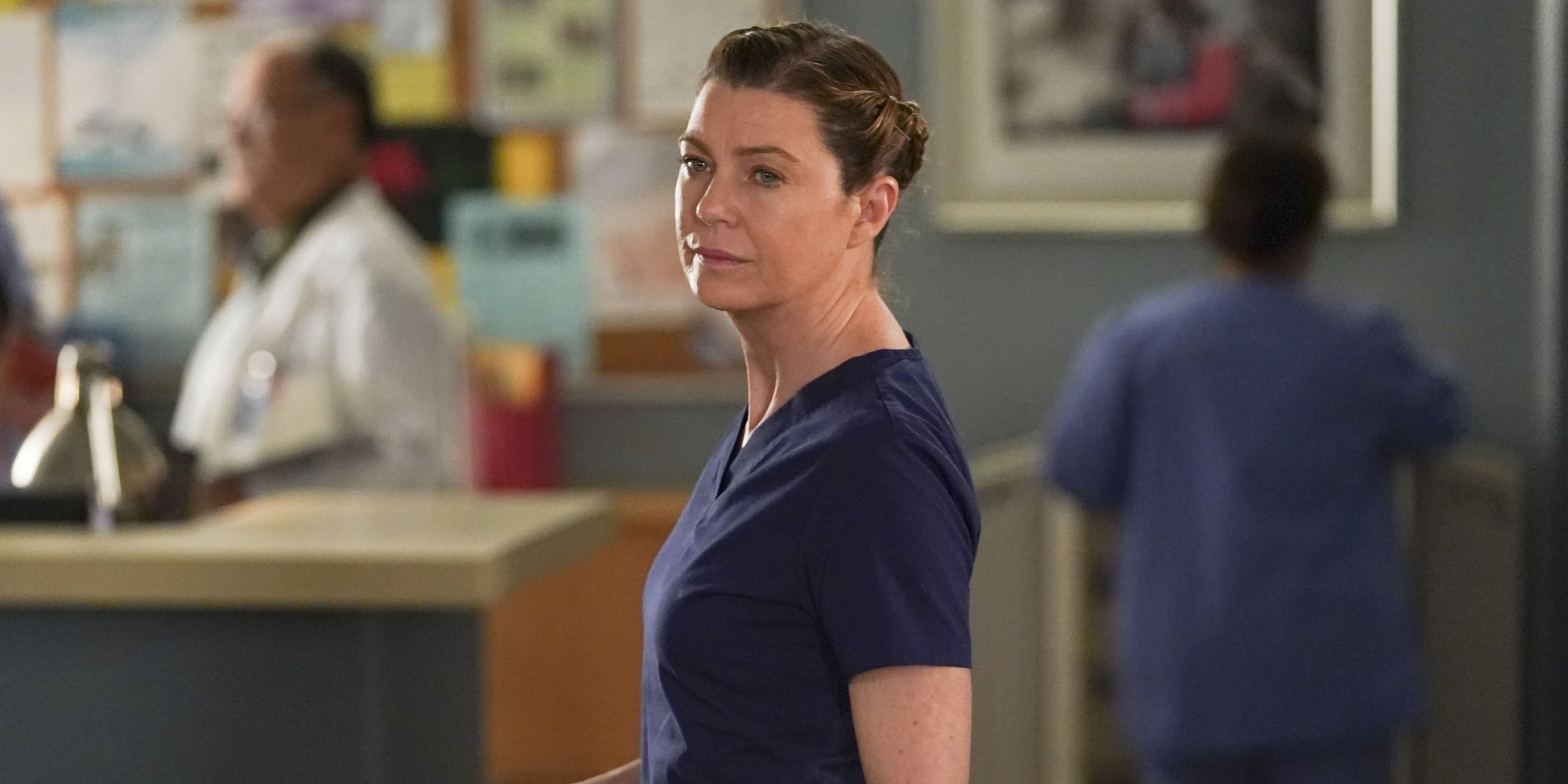
ABC continues mining the Grey's Anatomy universe with yet another spinoff, pushing a franchise that debuted in 2005 deeper into its third decade. The network's latest expansion of Shonda Rhimes' medical drama empire tests whether audiences still crave stories set in the halls of Grey Sloan Memorial Hospital or if the property has finally exhausted its creative runway.
Grey's Anatomy itself remains a ratings workhorse for ABC. The flagship series has survived 20 seasons through cast turnover, narrative fatigue, and the seismic shift from network television to streaming dominance. Its longevity speaks to the devoted fanbase that tunes in religiously, yet viewership has declined measurably from its early 2000s peak when the show commanded 25 million viewers per episode.
The spinoff strategy mirrors how major studios now treat successful IP. Shonda Rhimes Productions has already launched Station Eleven, Bridgerton, Inventing Anna, and Private Practice during Grey's reign. Each extension theoretically reaches new audiences while capitalizing on existing brand equity. Yet the market has grown crowded with medical dramas, and streaming platforms have fragmented the television audience in ways that made Grey's Anatomy's network dominance possible.
The deeper question involves creative diminishment. After 20 seasons, the core narrative wells have run dry. New characters rotate through established trauma frameworks. Relationships follow predictable arcs. The show's early seasons mined genuine emotional complexity from young doctors navigating impossible choices. Recent seasons recycle those formulas with decreasing novelty.
Spinoffs require fresh creative energy, not just familiar settings. Station Eleven succeeded because it departed from the Grey's formula entirely, creating something entirely distinct. Additional Grey's spinoffs risk becoming elaborate fan service exercises rather than compelling television.
ABC faces pressure to extract maximum value from its flagship asset, but franchise