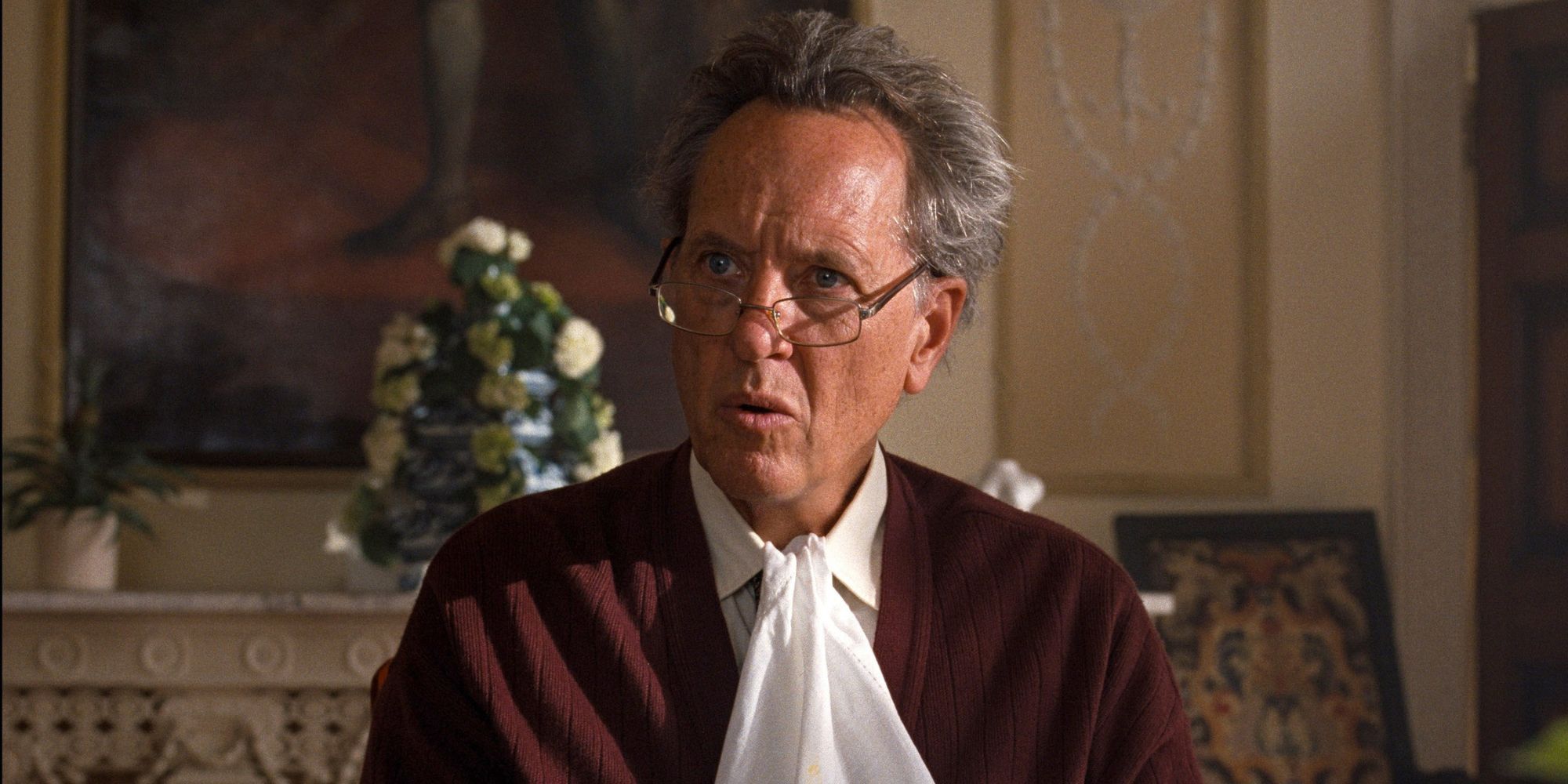
Jacob Elordi's breakout vehicle "Saltburn" has cemented itself as a global streaming phenomenon on Max, delivering the kind of darkly provocative thriller audiences crave in an era saturated with prestige television. Director Emerald Fennell's 131-minute psychological drama follows Elordi as Felix Catton, an obsessive social climber consumed by desire for wealth, status, and the beautiful people inhabiting Oxford's elite circles. The film operates as a contemporary riff on classic Gothic storytelling, blending erotic tension with class commentary and psychological unraveling.
Elordi's performance showcases maturity beyond his "Euphoria" fame, anchoring what essentially becomes a character study of desperation and delusion. Fennell, who made her directorial debut with the Oscar-winning "Promising Young Woman," trades indie sensibility for baroque production design and high production values. The film's 131-minute runtime allows Fennell breathing room to develop Saltburn's atmosphere of toxic desire and social transgression, refusing quick cuts or neat resolutions.
The streaming success matters. Max invested heavily in theatrical partnerships, but "Saltburn" found its true audience on the platform where it could reach international viewers simultaneously. The film taps into Gen Z and millennial fascination with morally compromised protagonists and class anxiety. Unlike Marvel tentpoles or network television, this thriller thrives on discomfort, explicit content, and philosophical emptiness.
The Gothic tradition runs deep here. Think "The Picture of Dorian Gray" meets "Cruel Intentions" by way of contemporary social media toxicity. Elordi's Felix embodies the obsessive fan, the outsider desperate to inhabit privilege rather than earn it. Fennell's direction emphasizes visual excess and psychological claustrophobia, using production design as character.
"