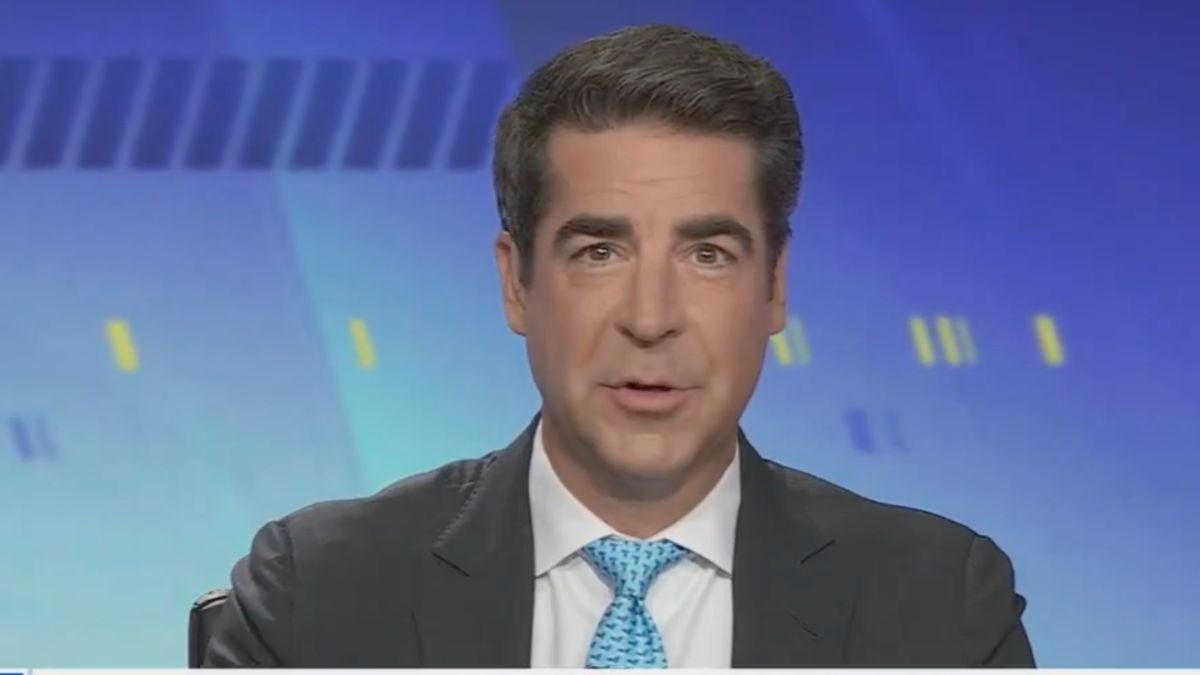
Jesse Watters faced backlash on social media after defending Donald Trump's extensive stock trading activity on Fox News. The cable host mounted a passionate defense of the former president's thousands of trades, drawing criticism from online observers who accused him of partisan double standards.
Critics labeled Watters a "bootlicker" and pointed to what they characterized as "cult-like behavior." One commenter highlighted the perceived hypocrisy, noting a "rules for thee not for me" dynamic in how conservative media figures treat Trump compared to other public figures.
The incident reflects ongoing tension within Fox News' editorial approach to Trump coverage. While the network remains his most consistent media ally, Watters' spirited defense of the trading activity illustrates how deeply some on-air personalities will go to protect the former president from scrutiny.
Trump's stock transactions have drawn attention from government watchdogs and financial analysts examining potential conflicts of interest. The volume and timing of his trades raise questions about information access and market influence, topics that typically invite media investigation across the political spectrum.
Watters hosts "Jesse Watters Primetime," a show that consistently mirrors Trump's grievances and messaging. His willingness to aggressively defend controversial Trump behavior aligns with the program's overall editorial stance but reinforces perceptions among critics that Fox News operates as a propaganda outlet rather than a news organization.
The social media backlash underscores how Trump-era politics have fractured media credibility. Events that would trigger extensive investigation into other political figures or financial actors instead become fodder for partisan defense on cable news. Watters' segment exemplifies this dynamic, turning what could be substantive financial reporting into tribal political theater.
For Fox News, such moments present a branding challenge. The network positions itself as a legitimate news operation while simultaneously employing personalities willing to abandon journalistic skepticism when Trump enters the conversation. That contradiction defines much of