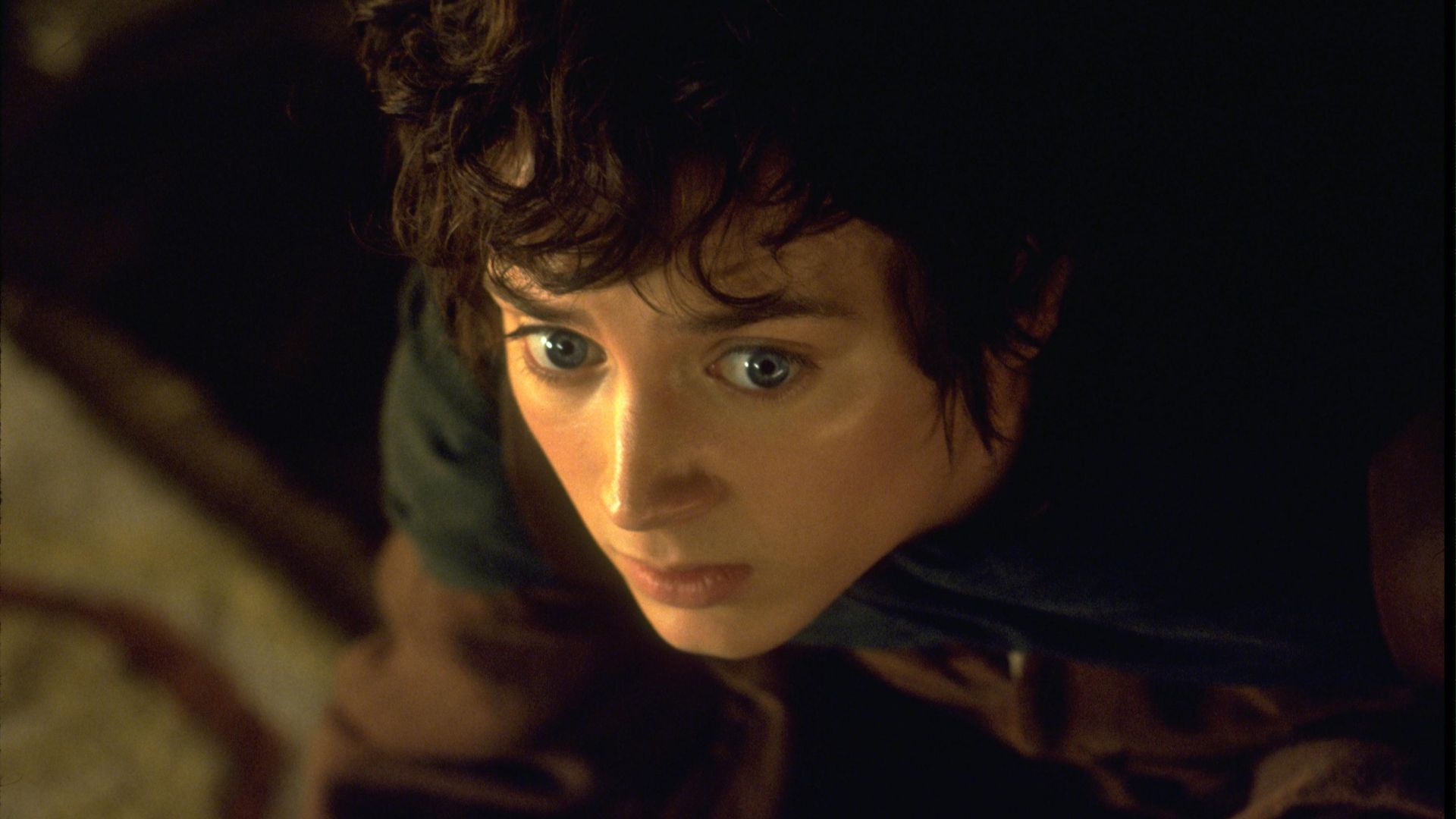
Peter Jackson's Lord of the Rings universe is venturing into unexpected territory. New Line Cinema and Warner Bros. Discovery are developing two films that will depart from the epic fantasy blueprint Jackson established with his original trilogy and The Hobbit films.
Hunt for Gollum and Shadow of the Past represent a tonal shift for Middle-earth on screen. Rather than sprawling, globe-trotting adventures with massive battle sequences and ensemble casts, these projects lean toward character-driven narratives with thriller and mystery elements. Hunt for Gollum focuses on Sméagol's backstory and his obsessive pursuit, trading the scope of Fellowship for psychological intensity. Shadow of the Past similarly zeroes in on intimate storytelling rooted in The Lord of the Rings lore.
This recalibration reflects how studios approach legacy franchises after market saturation. The Rings of Power's mixed reception on Prime Video and the diminishing returns on extended universes taught executives that Middle-earth audiences want freshness, not formula repetition. Smaller-scale narratives with A-list filmmakers can outperform bloated sequels.
Jackson isn't directing these new films, signaling a deliberate creative distance from his original vision. The franchise is inverting its typical approach. Instead of building outward with bigger casts and higher budgets, it's building inward, excavating secondary characters and untold stories from Tolkien's appendices.
The shift also positions these films competitively against prestige thrillers rather than superhero spectacles. By genreflecting into mystery and character study, Lord of the Rings dodges direct comparison with Marvel and DC while capitalizing on the premium positioning audiences afford to Tolkien adaptations.
Whether audiences embrace a noir-tinged Gollum or a historical drama set in Gondor depends on execution. But the franchise's willingness