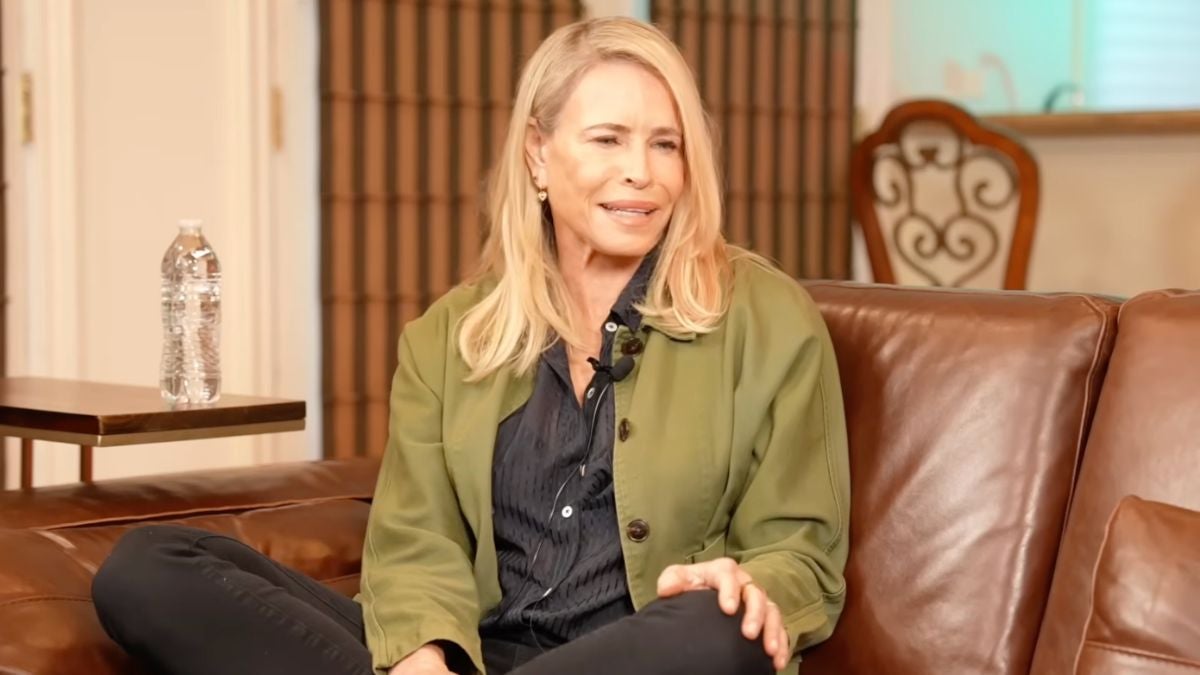
Chelsea Handler criticized Shane Gillis for making a lynching joke about Kevin Hart during a recent appearance, calling the material "gross" and claiming it crossed moral lines. Handler's reaction centers on Gillis's use of racial violence as comedic fodder, with her statement that such content ranks among comedy's worst transgressions.
The exchange highlights ongoing tensions within stand-up comedy over boundaries around race-based humor. Gillis, known for his podcast "Dropouts" and appearances on "Saturday Night Live," has previously drawn backlash for edgy material. Hart, one of comedy's biggest commercial forces, has also navigated controversy over past jokes, making him a pointed target in Gillis's act.
Handler's vocal pushback signals how comedian-on-comedian criticism now plays out publicly, often through social media and entertainment coverage rather than private conversations. Her response also reflects broader industry discomfort with jokes that weaponize America's racial trauma, particularly references to lynching that invoke historical violence against Black Americans.
The incident underscores comedy's current reckoning with intent versus impact. While Gillis operates within a comedy subculture that often weaponizes shock value and provocative rhetoric, mainstream entertainment figures like Handler demonstrate that vocal audiences and peers increasingly reject such material outright rather than treating it as free speech territory.
This clash between comedy's transgressive traditions and evolving cultural standards plays out regularly across podcasts, streaming specials, and social media. For Handler, a veteran comic who built her career on irreverent commentary, the line here was clear. For Gillis and his supporters, Handler's criticism represents what they view as oversensitivity limiting artistic expression.
The controversy reflects comedy's ongoing identity crisis: whether the medium serves as a space for boundary-pushing free thought or carries responsibility for the impact of its punchlines, particularly on marginalized communities.