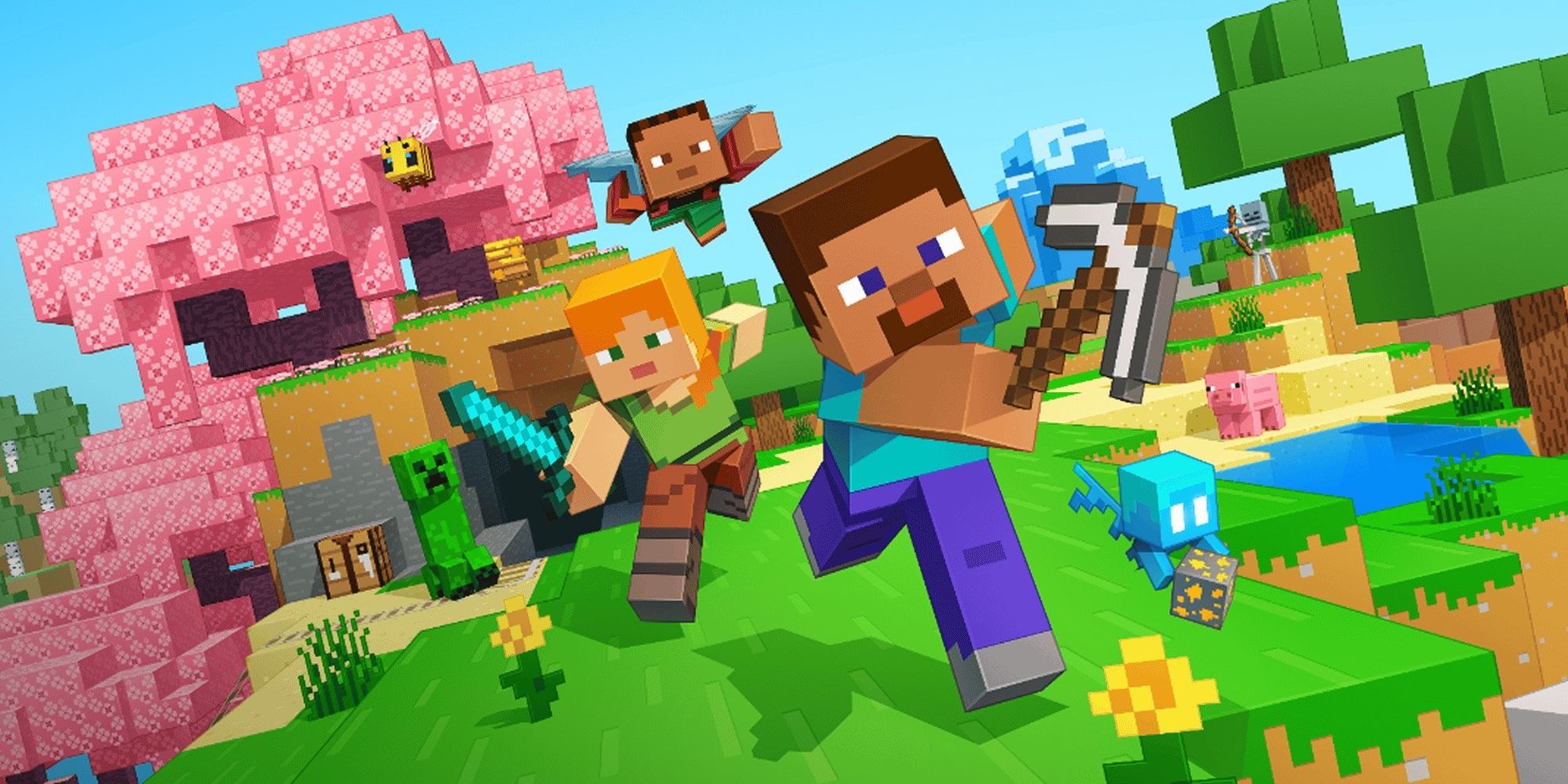
An 81-year-old grandmother streaming Minecraft to raise funds for her grandson's cancer treatment became the target of a swatting attack during a live broadcast. Police raided her home in the middle of the night after someone made a false emergency call, interrupting her gaming session and fundraising efforts.
The streamer had launched her YouTube channel with a specific goal: accumulating enough money through donations and sponsorships to help cover her grandson's medical expenses. Minecraft, the sandbox building game with massive crossover appeal, proved an ideal vehicle for audience engagement. Her age and determination attracted viewers genuinely invested in both her gameplay progress and her charitable mission.
Swatting, the malicious act of making fake emergency calls to dispatch armed police to someone's address, has plagued content creators for years. The attack disrupted not only her stream but also the real-time fundraising mechanism that depends on viewer participation and momentum. For a creator operating on a compressed timeline due to medical urgency, such an interruption carries weight beyond typical streaming inconvenience.
The incident highlights two competing realities in modern streaming culture. On one hand, platforms like YouTube enable unlikely fundraisers and community support that might not materialize through traditional channels. An 81-year-old gamer commands attention precisely because she defies demographic expectations, and audiences respond to her authenticity and purpose. On the other hand, streamers remain vulnerable to coordinated harassment campaigns and dangerous pranks that law enforcement must take seriously regardless of their false nature.
This grandmother's story transcends typical streamer content drama. She represents a growing segment of older adults embracing gaming and digital platforms, often for compelling reasons beyond entertainment. Her fundraising effort demonstrates how streaming transcends passive content consumption, transforming into a direct pipeline between creator needs and audience generosity.
The swatting incident underscores ongoing debates about streamer safety, content creator protection, and the