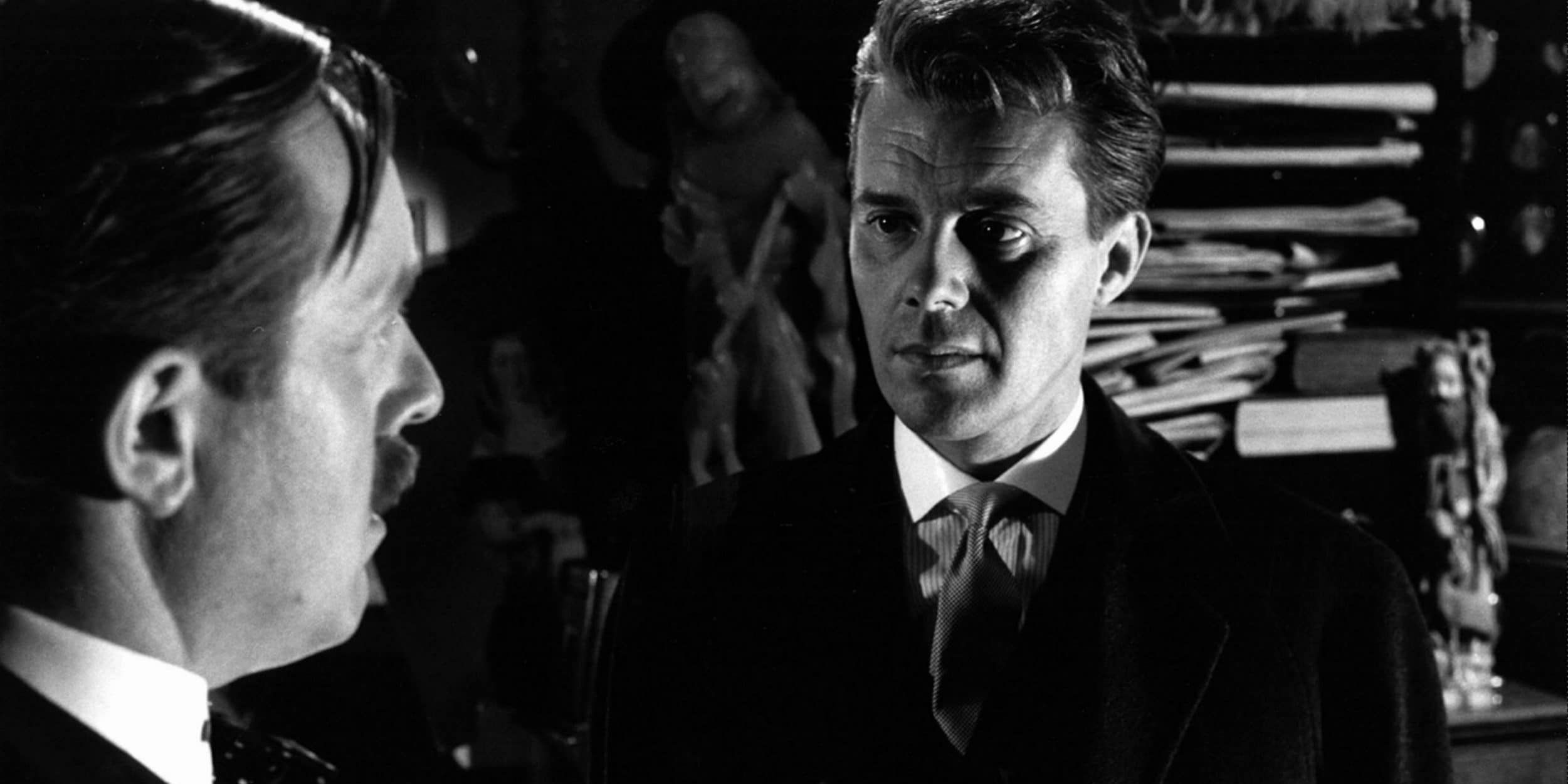
Basil Dearden's "Victim" stands as a landmark 1961 British noir thriller that transcended entertainment to reshape social policy. The film achieved a perfect score on Rotten Tomatoes while tackling homosexuality at a moment when same-sex relationships remained criminalized in the UK.
The film starred Dirk Bogarde as a successful barrister confronting blackmail after his former lover's death. By centering a sympathetic gay protagonist navigating institutional corruption and social prejudice, "Victim" forced audiences and lawmakers alike to reckon with the humanity of criminalized men. The Wolfenden Report had recommended decriminalization in 1957, but Parliament stalled. Dearden's film crystallized public discourse around the issue when it mattered most.
The timing proved decisive. Released during a cultural pivot, "Victim" influenced the Sexual Offences Act of 1967, which decriminalized homosexual acts between consenting men over 21. British cinema's willingness to confront taboo subjects directly shaped legislative outcomes in ways few films achieve. The thriller mechanics and noir aesthetics gave the narrative accessibility beyond activist circles. It played as genuine entertainment while smuggling progressive argument into mainstream consciousness.
Bogarde's committed performance grounded the material, making abstract legal arguments feel personal and urgent. The film never preaches. Instead, it traces how blackmail laws designed to protect decency actually victimized the vulnerable, creating a system ripe for exploitation. That structural critique resonated with policymakers reviewing the law's practical failures.
"Victim" demonstrates cinema's capacity to alter consciousness at scale. By wedding compelling storytelling to social conscience, Dearden created a thriller that functioned simultaneously as entertainment, cultural document, and political intervention. The film's critical and commercial success proved there existed substantial audience appetite for nuanced treatment of taboo subjects. Its 100%