Netflix's "Sweet Home" has solidified itself as the streaming giant's most compelling horror offering, even two years after its debut. The South Korean zombie thriller, which spans three seasons, continues to outpace competitors through its masterful blend of creature design, character development, and genre innovation.
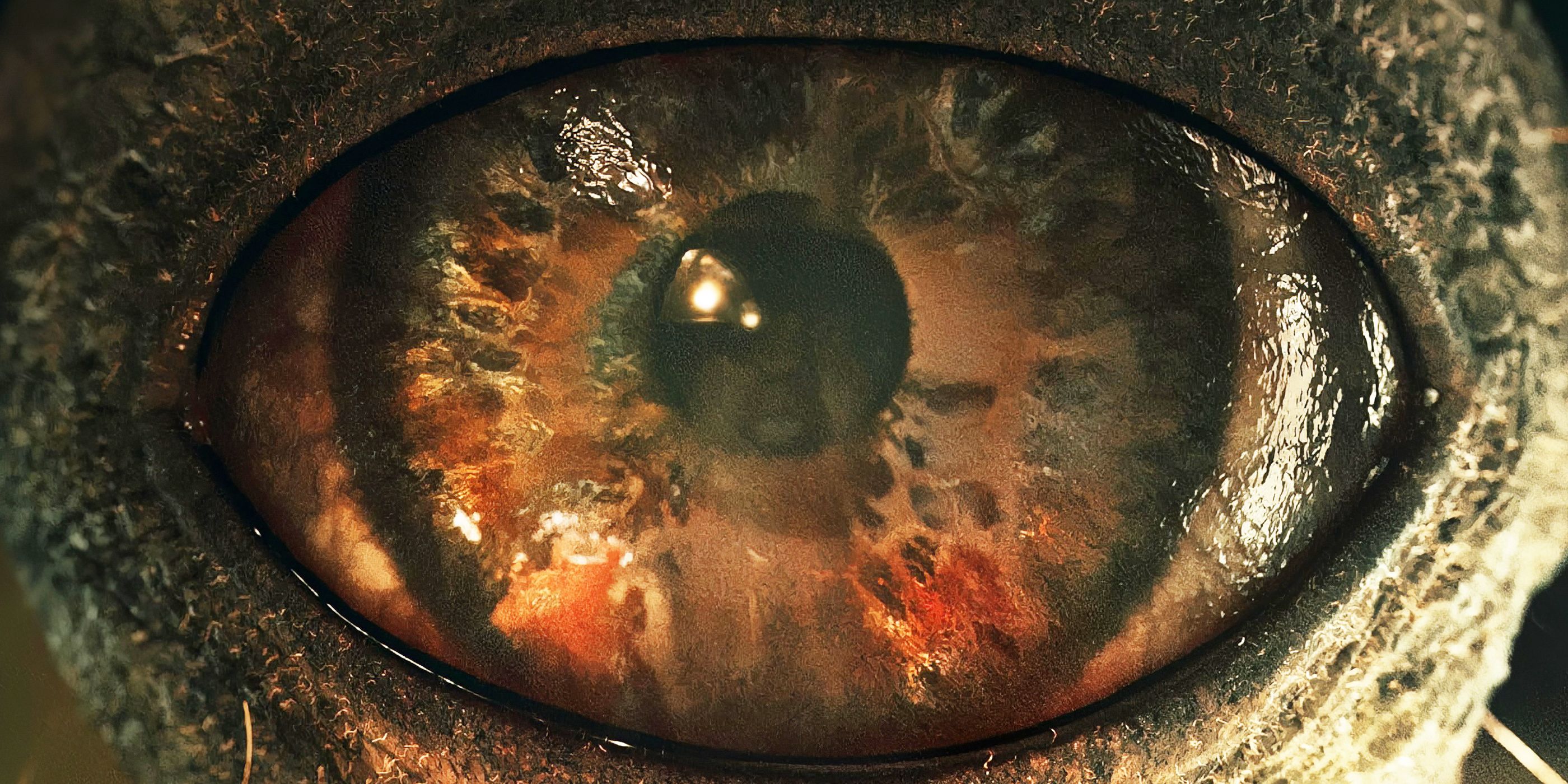
The series differentiates itself from standard zombie fare by centering on human survival within a high-rise apartment complex rather than sprawling apocalyptic wastelands. This claustrophobic setting amplifies tension while forcing characters into morally complex decisions. The monsters themselves avoid predictable undead tropes, instead presenting visually unsettling designs that evolve throughout the narrative.
What elevates "Sweet Home" beyond routine horror is its commitment to character arcs. The ensemble cast grapples with trauma, isolation, and desperate choices as societal collapse unfolds. These interpersonal dynamics ground the supernatural elements, making viewer investment genuine rather than perfunctory.
The series also subverts genre expectations repeatedly. It blends body horror, psychological terror, and survival drama without adhering to worn formulas. Korean horror cinema's distinctive sensibility permeates every episode, offering Western audiences something genuinely fresh within streaming's increasingly homogenized horror catalog.
Netflix's horror library includes titles like "Resident Evil," "The Midnight Club," and "Fear Street," yet none have maintained the cultural resonance or critical appreciation that "Sweet Home" commands. The platform's investment in international content here paid dividends. Rather than defaulting to American gothic conventions or supernatural procedurals, the streamer leveraged Korean storytelling traditions and filmmaking expertise.
Two years of sustained viewership underscores audience hunger for horror that respects intelligence and avoids jump-scare shortcuts. "Sweet Home" constructs dread methodically, allows silence and stillness to function as storytelling tools, and trusts viewers to sit with dis