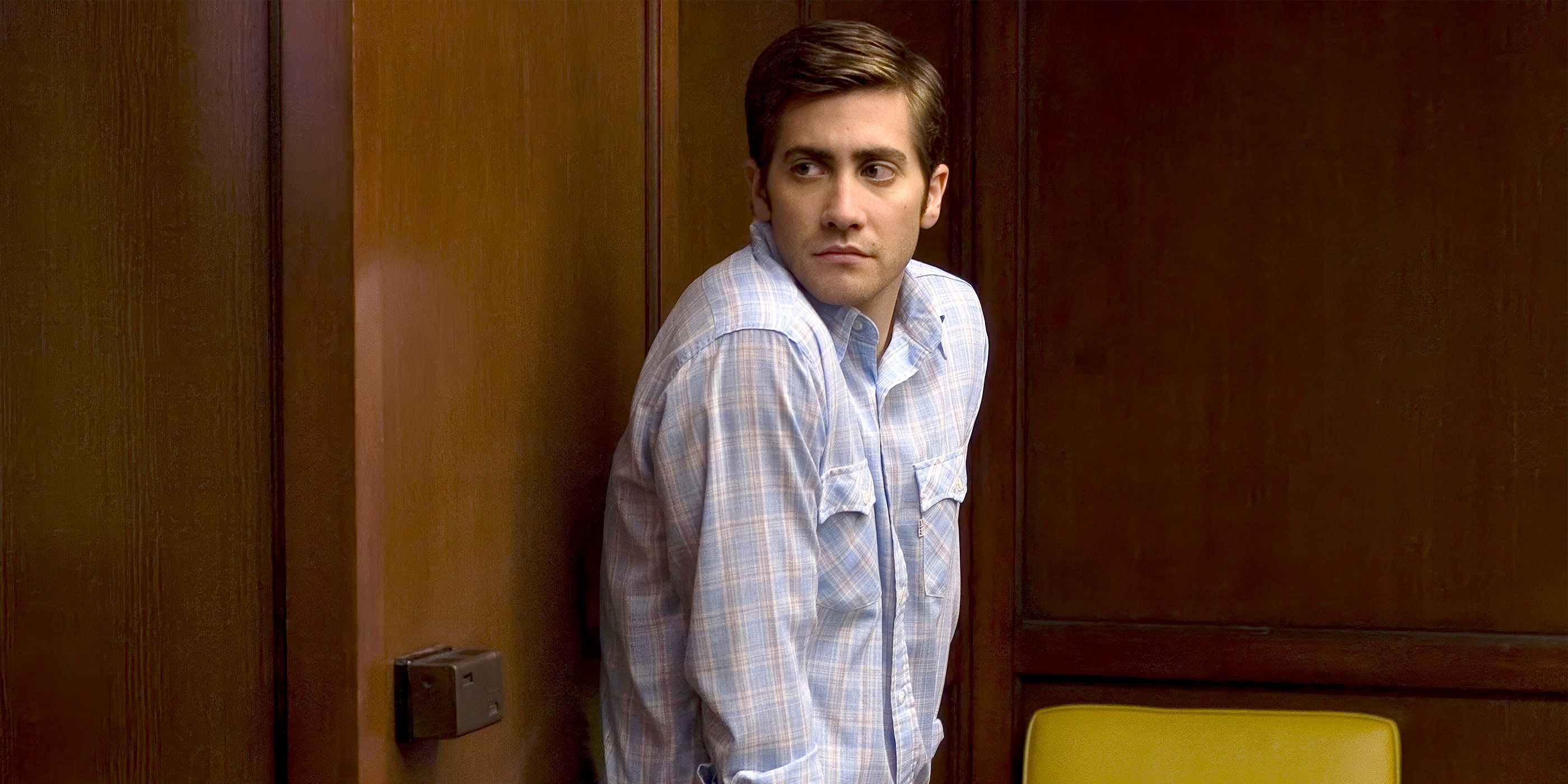
Collider's latest roundup highlights ten thriller films engineered to unsettle viewers from opening frame to credits. The list anchors itself on three undeniable classics: Bong Joon-ho's Memories of Murder, the controversial Sam Peckinpah masterpiece Straw Dogs, and David Fincher's meticulous Zodiac.
Memories of Murder stands as one of cinema's finest serial killer procedurals, following detectives in 1980s South Korea as they hunt a brutal murderer while grappling with institutional corruption and moral ambiguity. The film refuses easy answers, maintaining psychological tension through its entire runtime. Straw Dogs, Peckinpah's 1971 shocker, remains provocative decades later for its raw depiction of home invasion violence and masculinity under siege. The film polarizes critics and audiences but undeniably grips viewers in its brutal intensity.
Zodiac completes the trio. Fincher's obsessive 2007 film deconstructs the hunt for the Zodiac Killer through exhaustive detective work and paranoia, making spreadsheets and typeface analysis feel genuinely menacing. The director builds dread through methodical pacing rather than jump scares, proving that procedural rigor itself can terrify.
These selections reflect what modern thriller audiences demand: substance over sensation. Rather than relying on cheap scares or gratuitous violence, the strongest thrillers burrow into viewer psychology. They exploit our discomfort with ambiguity, institutional failure, and the banality of evil. Bong, Peckinpah, and Fincher understood that genuine disturbance emerges from narrative intelligence and visual precision.
Collider's methodology here serves cinephiles hunting for films that respect their intelligence while delivering visceral impact. The list functions as both recommendation engine and