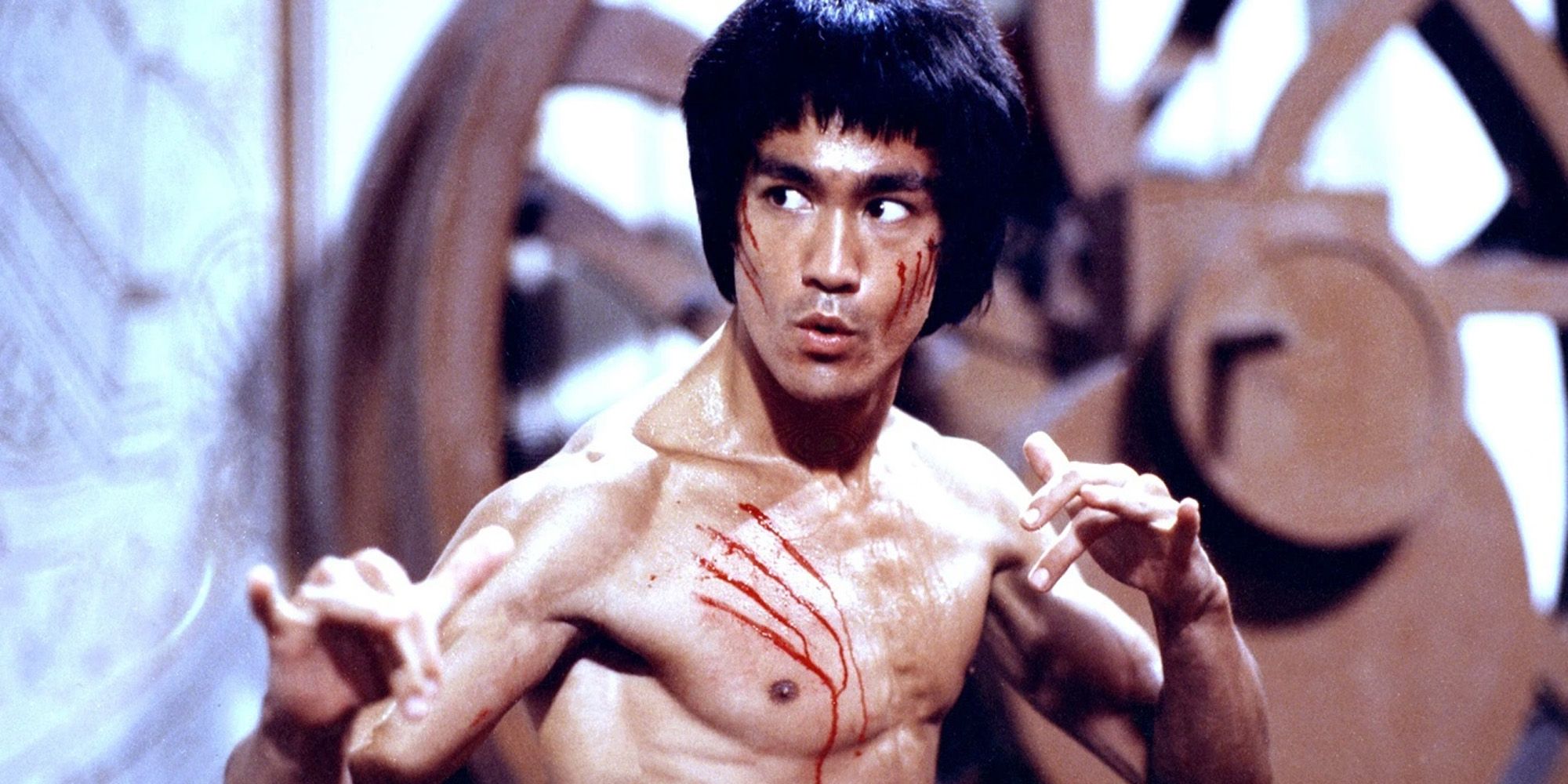
Collider's roundup of eight essential martial arts films highlights a persistent truth in action cinema: the genre's golden age produced spectacles that modern blockbusters still struggle to match. The list anchors itself on Bruce Lee's "Enter the Dragon" (1973), the film that established the martial arts movie template for decades to come, and extends through later masterworks like Donnie Yen's "Ip Man" franchise, which brought the Wong Fei-hung legend to contemporary audiences with balletic precision.
These films share a common DNA. They prioritize choreography over CGI, stunt work over quick cuts, and genuine martial arts expertise over movie magic. That philosophy created action sequences with tangible weight and consequence. Lee's legendary one-inch punch became iconic precisely because audiences could see the actual physics at work. Similarly, the "Ip Man" films showcase Yen's Wing Chun mastery in extended takes that demand technical perfection from every participant.
The article underscores a generational divide in action filmmaking. Modern franchises often rely on editing techniques and digital enhancement to convey impact. Classic martial arts cinema trusted its performers and camera placement to do the storytelling. A fight scene in "Enter the Dragon" or early Jackie Chan comedies like "Police Story" communicated narrative and character through movement, not exposition.
This doesn't dismiss contemporary action cinema entirely. Filmmakers like Denis Villeneuve and the Russo Brothers understand editing and geography. But the martial arts classics operate under different constraints that forced creative excellence. Limited budgets and practical demands meant every frame had to count. Stunt performers and martial artists trained relentlessly because reshoots consumed resources.
Collider's essay functions as both nostalgia and critique. It reminds viewers why these films endure in streaming libraries and cult retrospectives while simultaneously questioning why modern action hasn't fully absorbed those