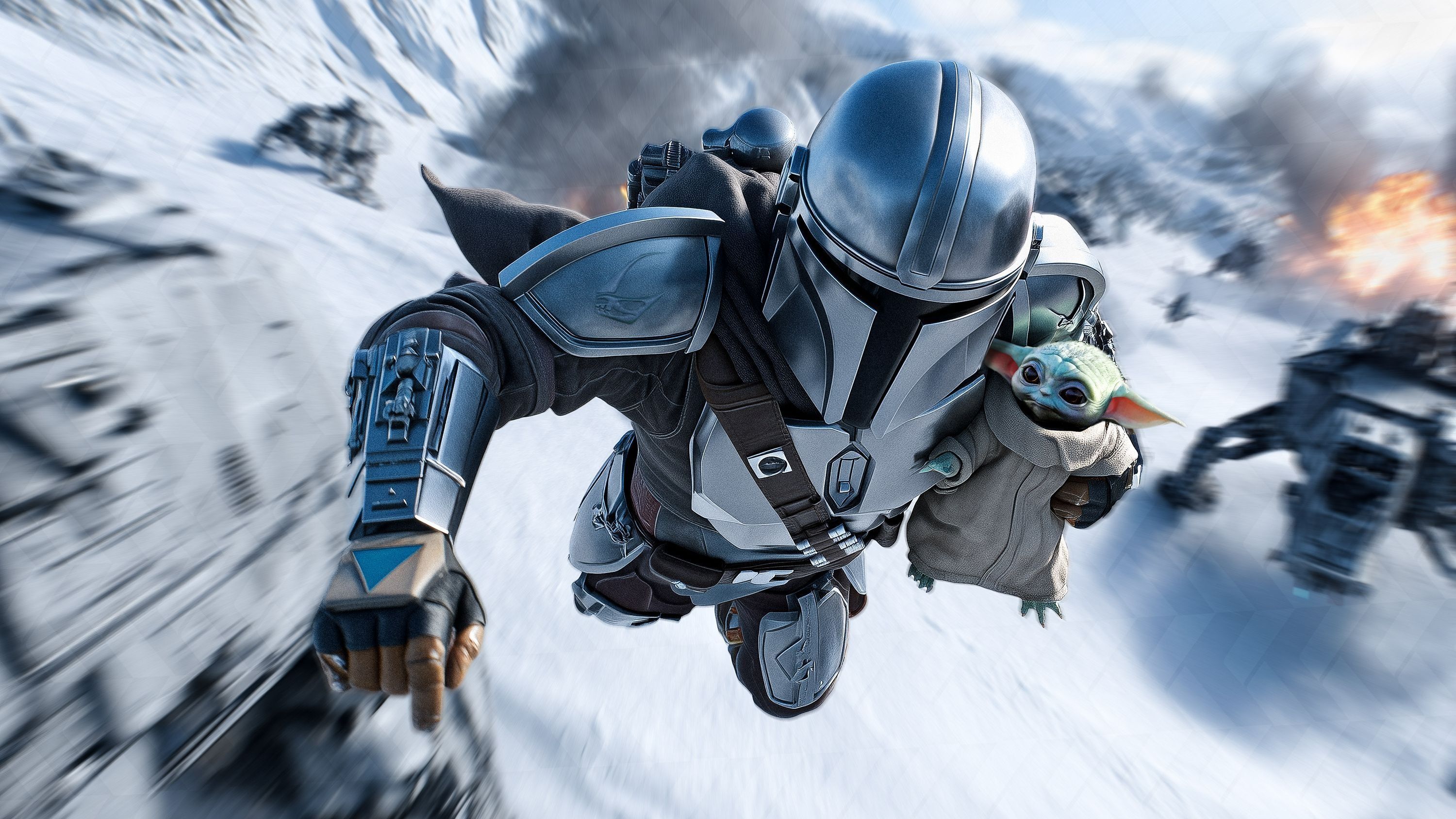
# The Mandalorian and Grogu Brings Star Wars Universe Together Through Strategic Cameos
"The Mandalorian and Grogu" weaves together the broader Star Wars ecosystem through both visible and voice-only appearances from established franchise figures. The film expands Din Djarin's story beyond the Disney Plus series while tapping into fan enthusiasm for interconnected Star Wars storytelling.
The cameos function on two levels. Some characters appear physically on screen, grounding the narrative in the post-Empire timeline that Dave Filoni has been constructing across multiple projects. Others deliver dialogue without physical presence, a cost-effective approach that still leverages recognizable voices to enhance world-building.
This strategy reflects Lucasfilm's current approach to Star Wars content. Rather than standalone stories, recent projects have emphasized continuity and character returns. "The Book of Boba Fett" brought back Mando himself. The Ahsoka series featured Sabine Wren and Thrawn. The studio understands that existing fans crave narrative coherence and character payoffs accumulated across shows and films.
The cameo approach also serves marketing purposes. Star Wars properties benefit from anticipation around who might appear. These reveals generate social media conversation and repeat viewings as fans hunt for Easter eggs. For casual viewers, unexpected character moments provide entry points into deeper lore exploration.
Filoni's involvement as director matters here. He understands Star Wars iconography intimately from his animation work on "The Clone Wars" and "Rebels." His tendency to reward longtime viewers with meaningful character appearances shaped expectations that carried over into live action projects.
The balance between fresh storytelling and fan service remains precarious. Too many cameos risk overwhelming narrative focus. The Mandalorian films so far have leaned toward restraint, using cameos to enhance rather than distract from Din and Grogu's