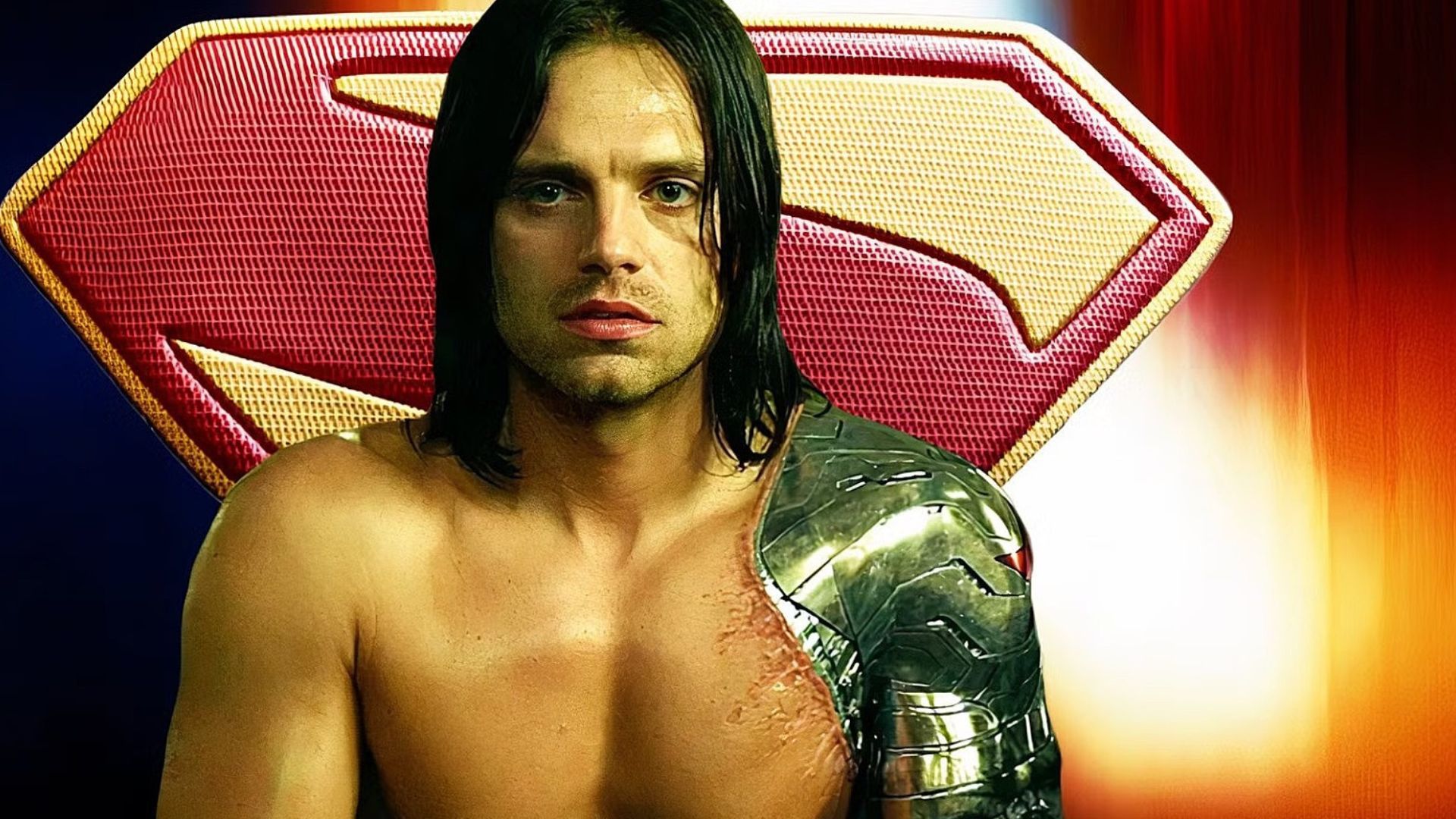
DC's upcoming Superman project is embracing a grittier aesthetic that borrows visual language from Marvel's Winter Soldier. The new costume design introduces metallic elements that echo Bucky Barnes' signature metal arm, marking a tonal shift for the character.
This design choice reflects a broader industry trend toward darker, more militaristic interpretations of superhero iconography. Where previous Superman iterations emphasized the character's optimistic, all-American appeal, the new look signals DC's willingness to explore a more hardened, combat-ready version of the Man of Steel.
The Winter Soldier comparison is deliberate. Marvel's Bucky Barnes became a cultural touchstone through his sleek tactical suit and mechanical enhancements, translating the character's trauma into visual form. By adopting similar design language, DC appears to be signaling that their Superman will grapple with weightier thematic material. The metallic accents suggest battle-worn durability rather than invulnerability, transforming Superman's costume from a symbol of hope into armor.
This creative direction arrives as DC undergoes significant franchise restructuring under James Gunn's leadership. The studio is actively repositioning its heroes for contemporary audiences, and costume design serves as the most immediate visual shorthand for that shift. Superman's new look communicates stakes and vulnerability in ways the traditional primary-colored suit cannot.
The aesthetic choice carries risks. Superman's cultural identity rests on his role as humanity's moral anchor, not a tortured antihero. Leaning too heavily into dark militarism risks alienating audiences who connect with the character's fundamental optimism. Marvel proved metal appendages work for complex anti-heroes; whether they serve Superman's mythology remains uncertain.
The costume redesign nonetheless signals DC's confidence in positioning Superman within their new cinematic universe. By visually aligning with Marvel's most popular anti-hero, DC acknowledges what works