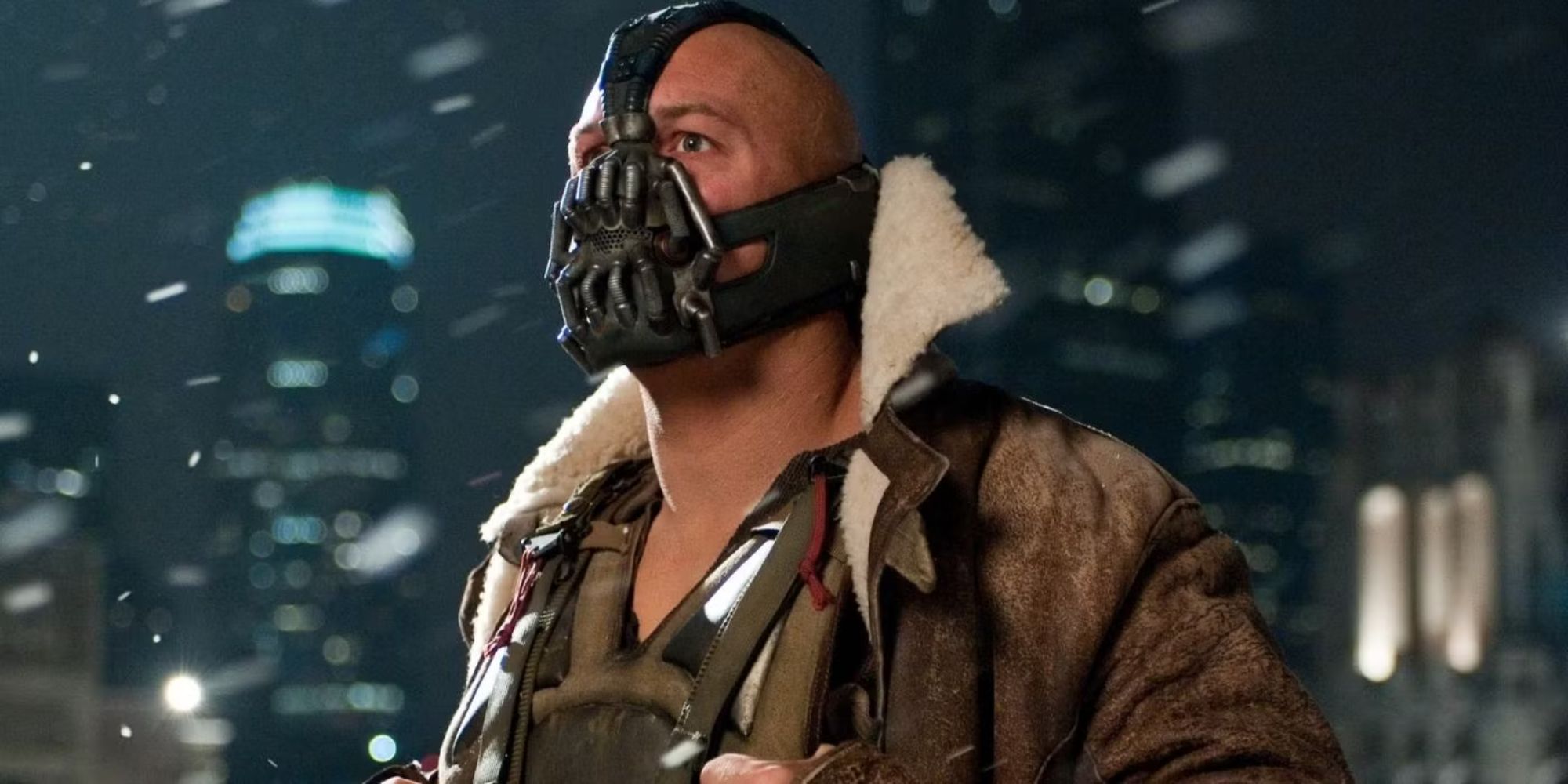
Batman's rogues gallery stands as one of superhero fiction's deepest benches of antagonists, spanning from cerebral masterminds to chaotic forces of nature. A ranking by intelligence reveals how DC has constructed villains that challenge the Dark Knight across different dimensions.
Ra's al Ghul emerges as the intellectual peak of Batman's adversaries. The centuries-old eco-terrorist possesses encyclopedic knowledge, military strategy expertise, and resources rivaling Bruce Wayne's own fortune. His longevity grants him perspective and experience that most villains cannot match. The Joker ranks higher than casual observers might expect, despite his unpredictability. His chaotic genius extends beyond mayhem into psychological manipulation and elaborate planning that forces Batman to think several steps ahead.
Two-Face represents a different breed of intelligence. Harvey Dent's legal acumen and strategic thinking operate within a framework of probability and chance, making him methodical despite his fractured psyche. Scarecrow's psychological expertise and pharmaceutical knowledge position him as a threat through intellect rather than physicality. Riddler's obsession with puzzles and codes makes him uniquely dangerous to a detective like Batman, creating intellectual duels rather than physical battles.
The ranking separates villains who use intelligence as their primary weapon from those who rely on physicality or raw chaos. Bane's strategic mind elevates him beyond typical brute-force villains, while Penguin's criminal enterprise requires genuine business acumen and cunning. Catwoman blurs villain and anti-hero lines, but her intelligence serves her self-preservation and heist planning.
Lower-tier rankings include villains defined by obsession over intellect. Clayface's shapeshifting prowess doesn't require genius, nor does Killer Croc's animalistic brutality. Poison Ivy's plant mastery operates on a different axis than pure intelligence