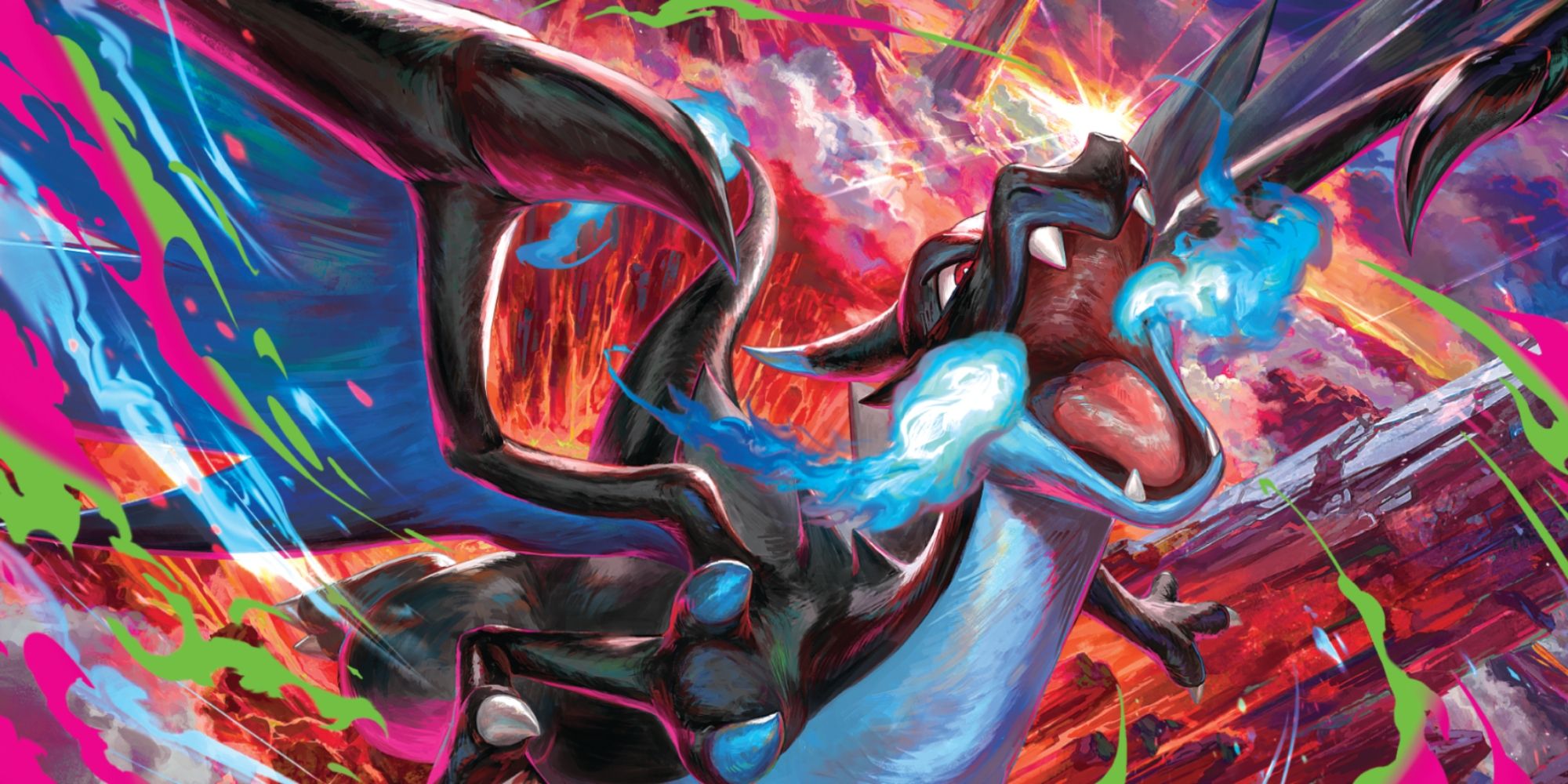
The Pokémon Trading Card Game enters its 30th anniversary year with fresh momentum. Beyond the planned anniversary set, The Pokémon Company is rolling out a new limited-edition collection that capitalizes on the franchise's enduring collectibility and nostalgia factor.
The TCG has experienced a resurgence in recent years. Scarcity, celebrity interest, and social media hype transformed card collecting from niche hobby into mainstream phenomenon. Jake Paul, Logan Paul, and other high-profile figures drove demand through YouTube openings. Vintage cards now command six-figure prices at auction.
This new limited release taps directly into collector psychology. By constraining supply, The Pokémon Company creates urgency around a product line that already commands premium prices on secondary markets. The 30th anniversary positioning adds historical weight. Collectors view purchases as investments, not just entertainment products.
The strategy mirrors what The Pokémon Company perfected with previous special sets. Shining Fates, Evolving Skies, and Lost Origin all sold through retailer stock quickly, then appreciated on resale markets. Scalpers camp store shelves. Online drops crash websites. Secondary market prices triple retail within hours.
This limited edition sits in The Pokémon Company's broader portfolio strategy. The TCG now generates more revenue than Pokémon video games for Nintendo. That shift explains the relentless release schedule. New sets rotate quarterly. Special collections drop constantly. Reprints of vintage cards capitalize on collector demand for original artwork and tamper-evident packaging.
The 30th anniversary itself functions as marketing gold. Pokémon Red and Green launched in Japan on February 27, 1996. Three decades later, the franchise owns multiple entertainment verticals. Scarlet and Violet games just shipped millions of copies. The Pokémon Company adapts content across streaming,