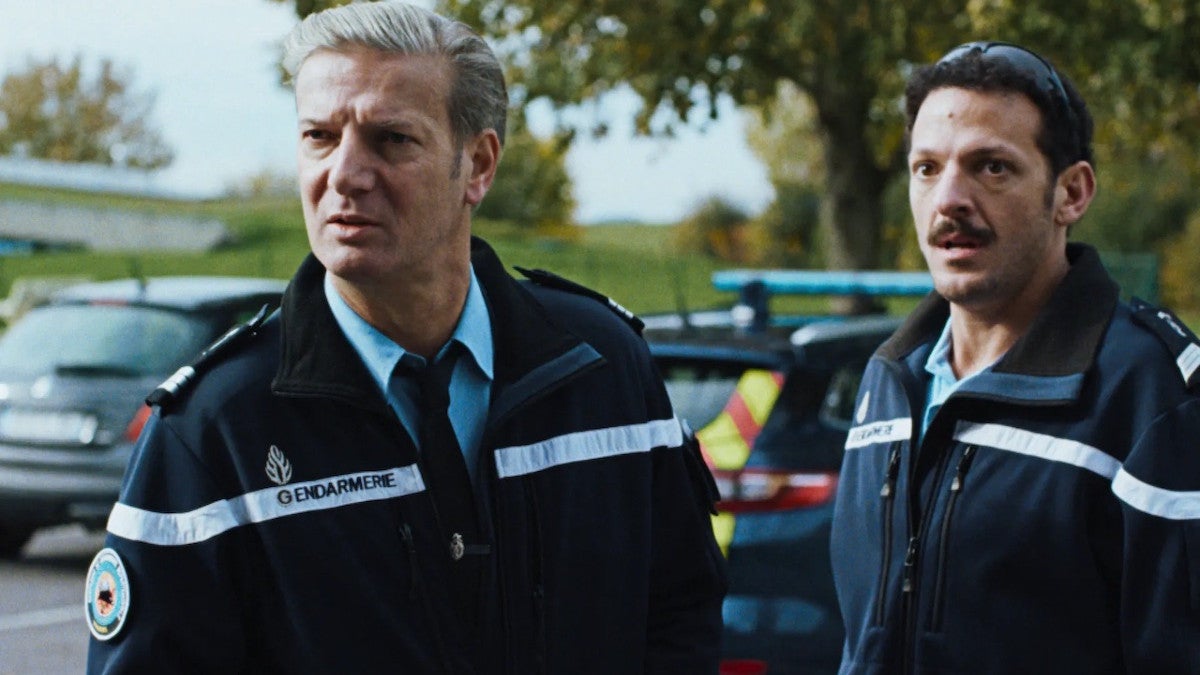
Sarah Arnold's debut feature "Too Many Beasts" arrives at Cannes 2026 as a electrifying rural crime thriller that pits farmers against hunters against cops in a wild pig apocalypse. The French filmmaker crafts a genre mashup that honors crime-thriller traditions while injecting fresh energy into familiar beats.
The premise unfolds in the French countryside, where runaway pigs become the catalyst for escalating conflict between competing factions. Arnold uses the animals as more than plot device. They function as a destabilizing force that strips away civility and exposes the fault lines between rural communities and institutional authority. Farmers protect their livelihoods. Hunters pursue sport and bounties. Police attempt to maintain order in territory they don't fully understand.
Arnold's direction balances gritty realism with genre momentum. She grounds the story in authentic rural textures. Mud, blood, gunfire, and dialect create a lived-in world. Yet the narrative never loses its propulsive pace. The three-way tension builds naturally rather than feeling manufactured. Characters operate from competing logic, and the filmmaker respects each perspective without endorsing any.
"Too Many Beasts" signals Arnold as a talent comfortable operating in genre spaces while bringing genuine thematic weight. Her debut doesn't reinvent the crime thriller, but it relocates it to terrain American studios rarely explore with this level of specificity and style. The film's Cannes placement confirms what the runtime and craft already suggest. This is a work that understands its influences and transcends simple homage.
The wild pigs become a metaphor for chaos that resists control and categorization. Arnold uses this to examine how authority breaks down when faced with problems that don't fit institutional solutions. In the film's universe, there are no good answers, only competing interests and varying costs.
Arnold's rustic crime thriller will likely draw