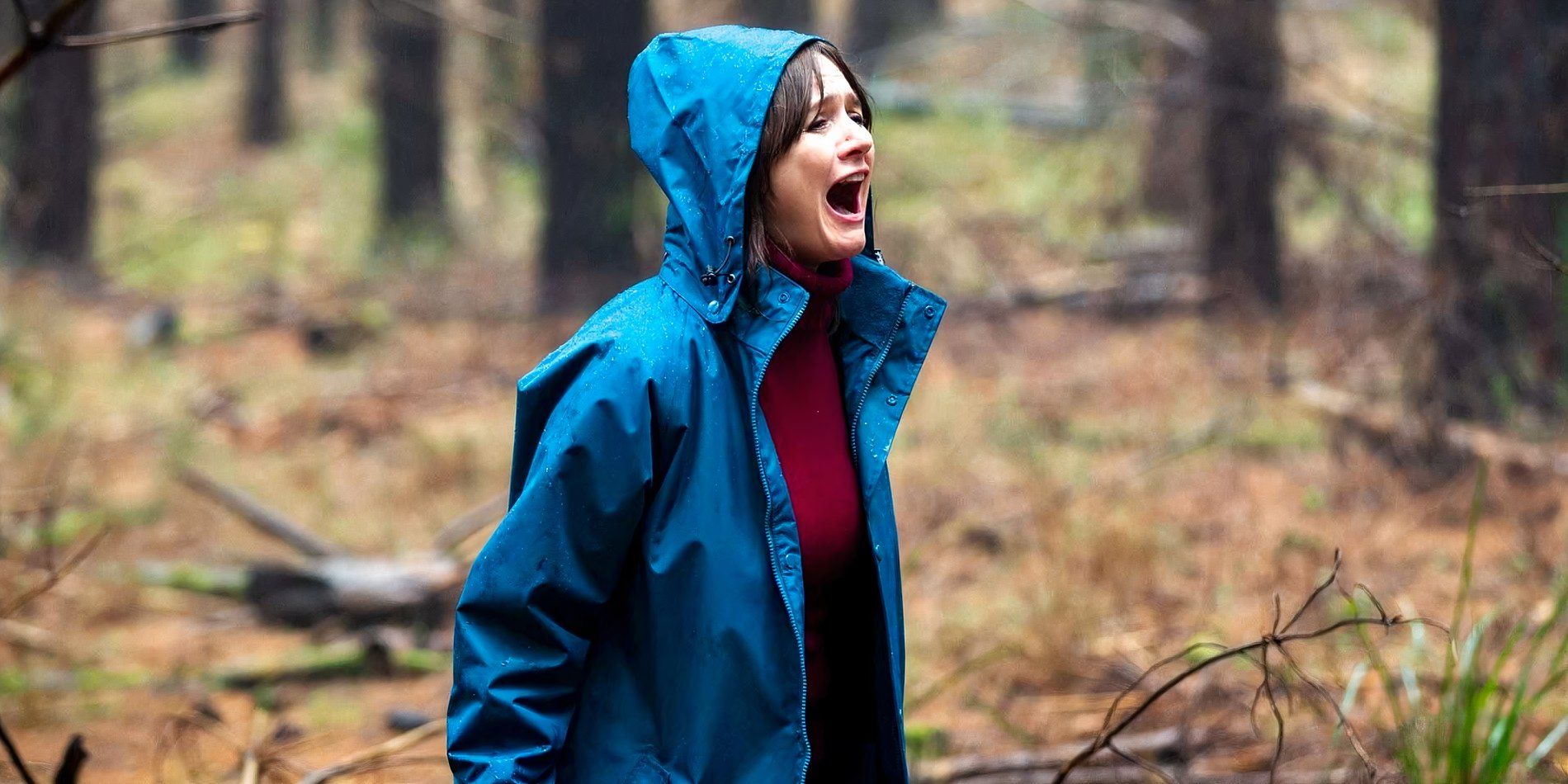
Women directors have staked serious claims in international horror cinema, creating visceral, conceptually audacious films that compete with mainstream genre heavyweights. Collider's roundup highlights Natalie Erika James' "Relic," a haunting Australian-American co-production that transforms family trauma into atmospheric dread, anchored by Ruth Bradley and Emily Mortimer's powerhouse performances. The film mines psychological horror from generational dysfunction and maternal decay, building its scares through slow-burn unease rather than jump-scares.
"The Shadow Within" and "Blood and Chocolate" represent the international reach of female horror voices. These films demonstrate that women directors bring distinct sensibilities to genre filmmaking: intimate character work, willingness to explore body horror and psychological deterioration, and visual sophistication that elevates horror beyond spectacle.
The broader context matters here. Horror remains one of the few genres where women directors gain consistent production opportunities and creative control. International markets, particularly Australia, France, and Eastern European industries, have proven more receptive to women horror auteurs than traditional Hollywood gatekeepers. Yet these aren't B-movie experiments. Films like "Relic" secure distribution through major platforms and attract acclaimed actors, proving audiences crave what these filmmakers offer.
Women horror directors leverage their outsider perspective. They interrogate domestic spaces as sites of terror. They center female bodies and experiences without exploitation. They refuse easy answers. "Relic" doesn't explain its supernatural mechanics neatly; it trusts viewers to sit with ambiguity and dread.
Collider's list validates a growing movement. Horror festivals like Fantastic Fest and genre-specific circuits increasingly showcase international work from female directors, creating visibility that trickles into theatrical and streaming releases. The economics work too. Horror typically operates on modest budgets, offering women directors paths to bigger projects without the gateke