# Summary
Star Wars' theatrical future hinges on character-driven storytelling, and The Mandalorian and Grogu proves the franchise's most valuable asset isn't lightsabers or epic space battles. It's emotional connection to beloved figures.
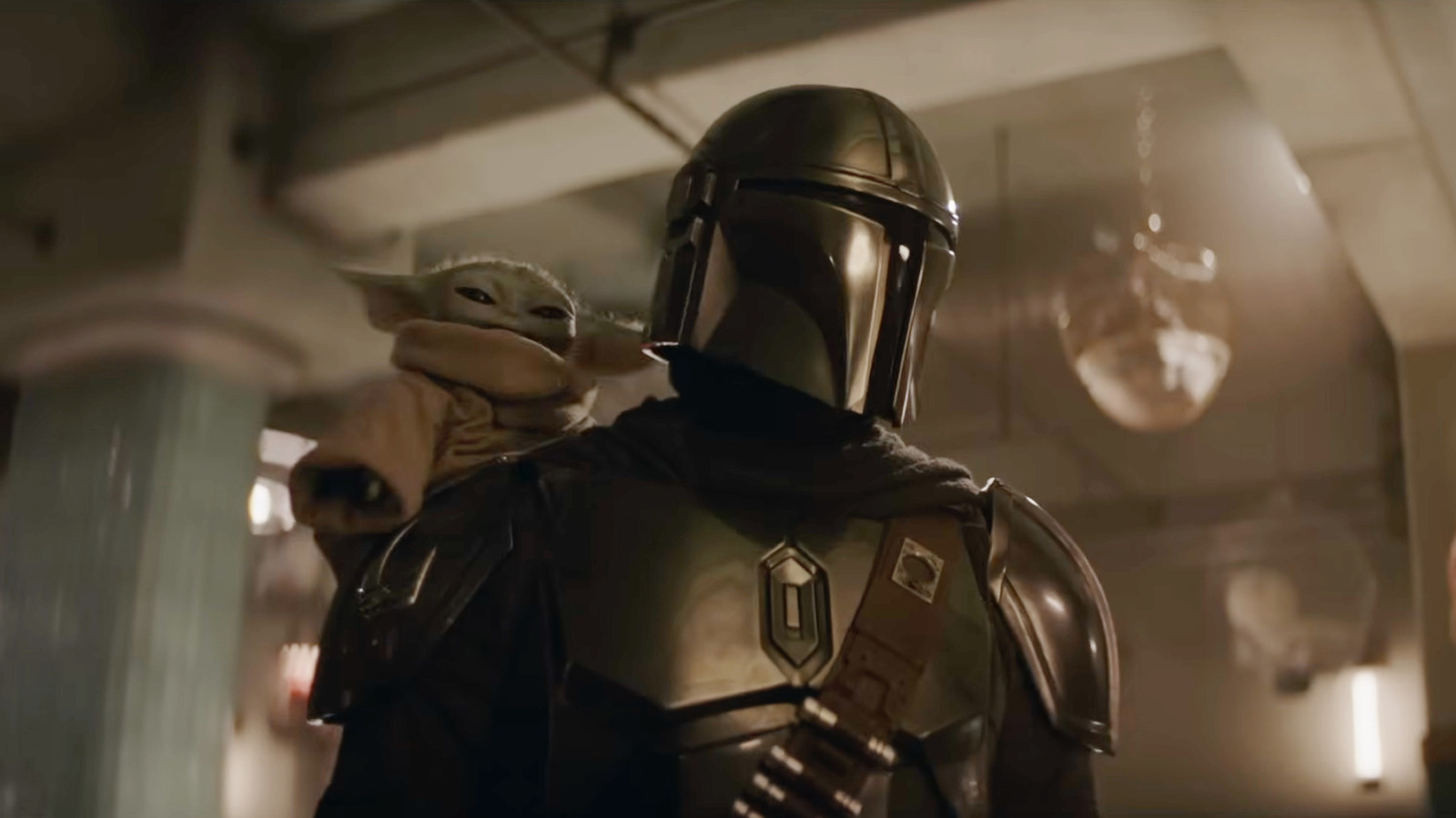
The Mandalorian established Din Djarin and Grogu as the emotional core of Star Wars for a new generation. Their relationship transcends the typical hero's journey framework that defined the Skywalker saga. Audiences invested in their story not because of galactic prophecies or Jedi lore, but because of a gruff bounty hunter learning to be a father figure to a mysterious child. That dynamic works across mediums.
The pivot toward character-focused narratives reflects how Star Wars must compete in today's crowded streaming and theatrical landscape. Audiences already know the Death Star mythology. What they crave are intimate, personal stakes wrapped inside the franchise's universe. The Mandalorian proved this commercially and critically. Its success on Disney Plus demonstrated that Star Wars doesn't require ensemble casts or interconnected storylines to captivate viewers.
For Star Wars films moving forward, this lesson becomes essential. Dave Filoni and Jon Favreau's work with Din and Grogu shows that character depth matters more than spectacle. The Mandalorian and Grogu, presumably a theatrical continuation of their story, signals that Lucasfilm intends to build future projects around singular, compelling relationships rather than sprawling mythology.
This approach also solves a production challenge. Complex interconnected narratives demand careful orchestration across multiple platforms. Character-driven stories allow creative flexibility and reduce the pressure to service an overcrowded continuity. Each project can stand alone while enriching the broader universe.
Star Wars has learned from the Skywalker saga's divisive reception. Audiences want character arcs they can follow, not franchise obligations