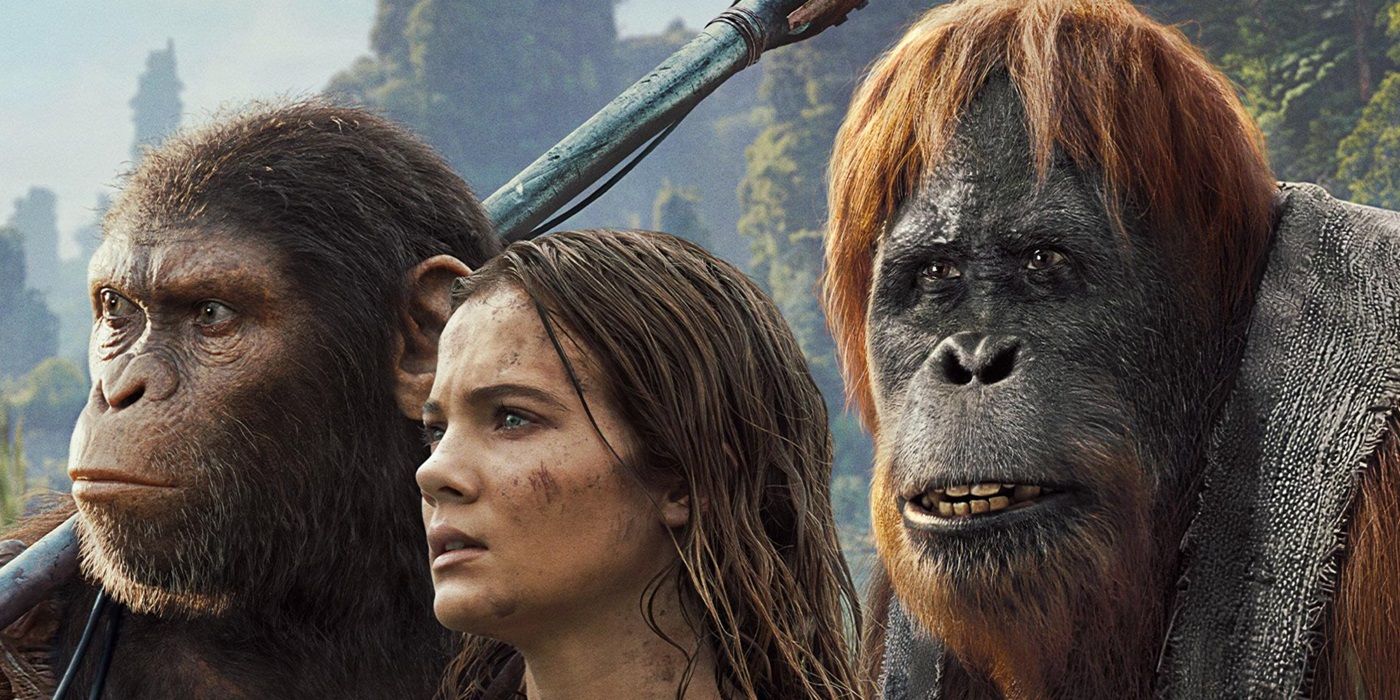
The Planet of the Apes franchise has consistently used language as its central thematic weapon, separating the speaking apes from the mute humans in ways that go far deeper than surface-level worldbuilding. This linguistic divide sits at the heart of every film in the series, from the original 1968 Tim Burton remake through the recent prequel trilogy helmed by Matt Reeves.
The films use speech itself as a marker of civilization and power. When apes can articulate complex thoughts and humans cannot, the franchise inverts our expectations about dominance and intellect. The inability to communicate becomes a form of dehumanization, stripping away agency and autonomy. This reversal forces viewers to confront uncomfortable truths about how societies historically silence certain populations to justify their subjugation.
In the original Planet of the Apes, Charlton Heston's astronaut gradually loses his ability to speak, mirroring humanity's collapse in this new world order. The recent prequel films expand this concept through Caesar and the ape revolution, showing how language grants the apes their path to supremacy. Their evolution from silent creatures to articulate beings parallels their rise to power.
The franchise taps into primal anxieties about communication itself. Who gets to speak? Whose voice matters? These questions transcend science fiction and connect directly to real-world struggles over representation and voice in media and society. The apes' mastery of language becomes their tool for liberation and, eventually, domination.
What makes this thematic throughline so effective is its persistence across decades and filmmakers. Whether operating as social commentary or pure spectacle, every iteration of Planet of the Apes returns to this core: language determines who controls the narrative, who survives, and ultimately, who rules. The franchise's real message has always whispered in its silences and roared in its speech. The