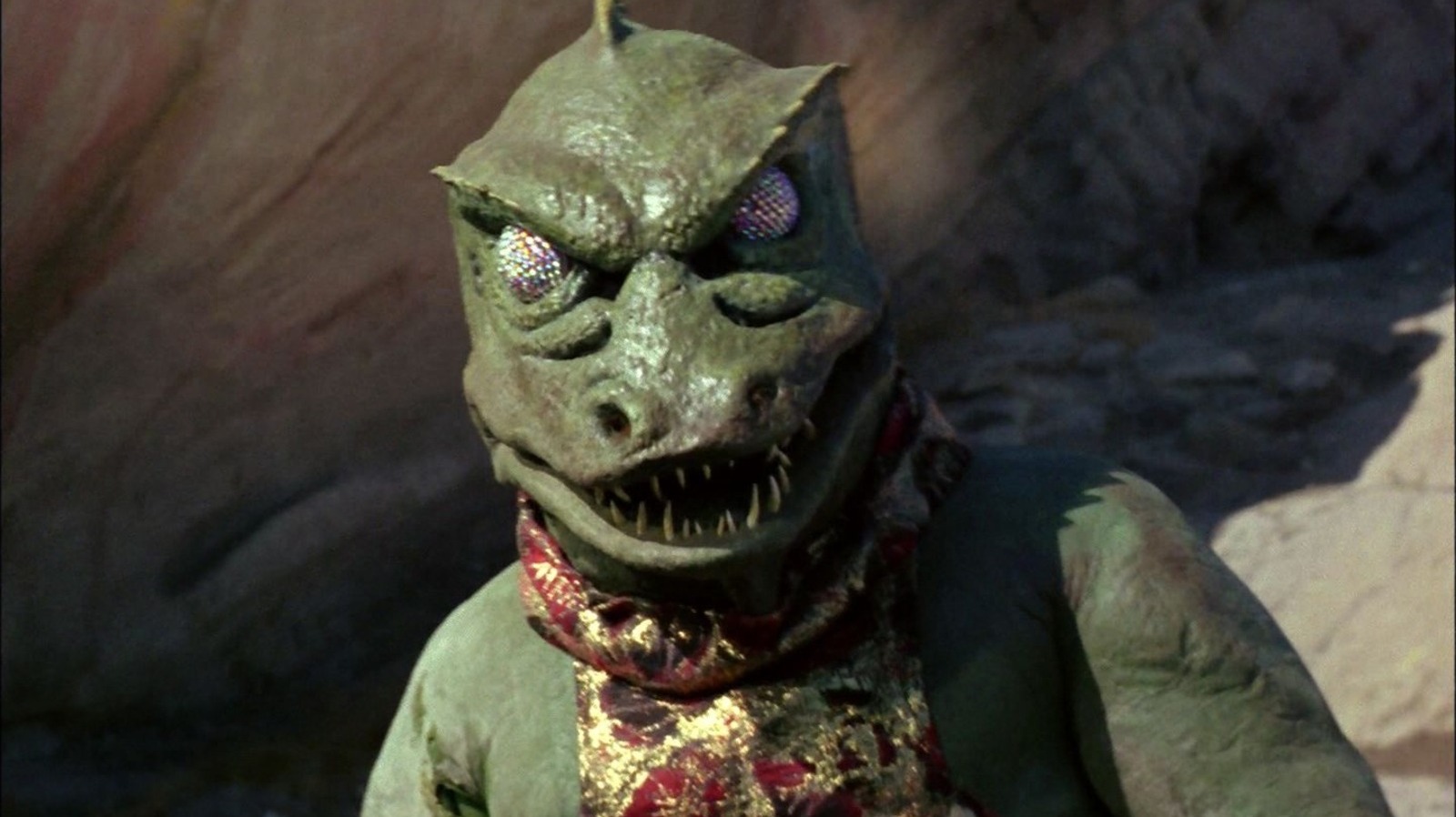
Isaac Asimov, the legendary science fiction author behind the Foundation series and I, Robot, became a fixture at early Star Trek conventions and documented his observations about the phenomenon in Starlog Magazine. The prolific writer witnessed firsthand how Gene Roddenberry's vision cultivated one of entertainment's most devoted fan communities during the show's initial syndication run in the late 1960s and early 1970s.
Asimov's convention attendance placed him in the rare position of observing Star Trek fandom's explosive growth from the inside. Unlike many establishment sci-fi writers who dismissed television adaptations as inferior to literary science fiction, Asimov recognized the cultural significance of what fans were building around the series. His contributions to Starlog, the influential sci-fi magazine that launched in 1976, gave him a platform to chronicle the convention scene with authority and genuine interest.
The author's perspective carries weight because Asimov occupied a unique space in science fiction hierarchy. His hard science approach to storytelling contrasted with Star Trek's more philosophical bent, yet he respected Roddenberry's ambitions for the series as a vehicle for exploring social issues. Asimov recognized that these conventions represented something new in popular culture: organized, passionate audiences gathering to celebrate and discuss television narratives at depths typically reserved for literary analysis.
His writings about early conventions captured a transformative moment when Star Trek transcended its initial cancellation to become a cultural phenomenon. The conventions themselves became laboratories where fans experimented with collective meaning-making, costume design, and creative expression through fan fiction and fan art. Asimov observed a community that challenged mainstream assumptions about science fiction's audience and legitimacy.
This documentation matters because Asimov's voice lent credibility to fan culture at a moment when it faced dismissal from mainstream critics and even other writers. His Starlog contributions helped validate fan conventions as worthy