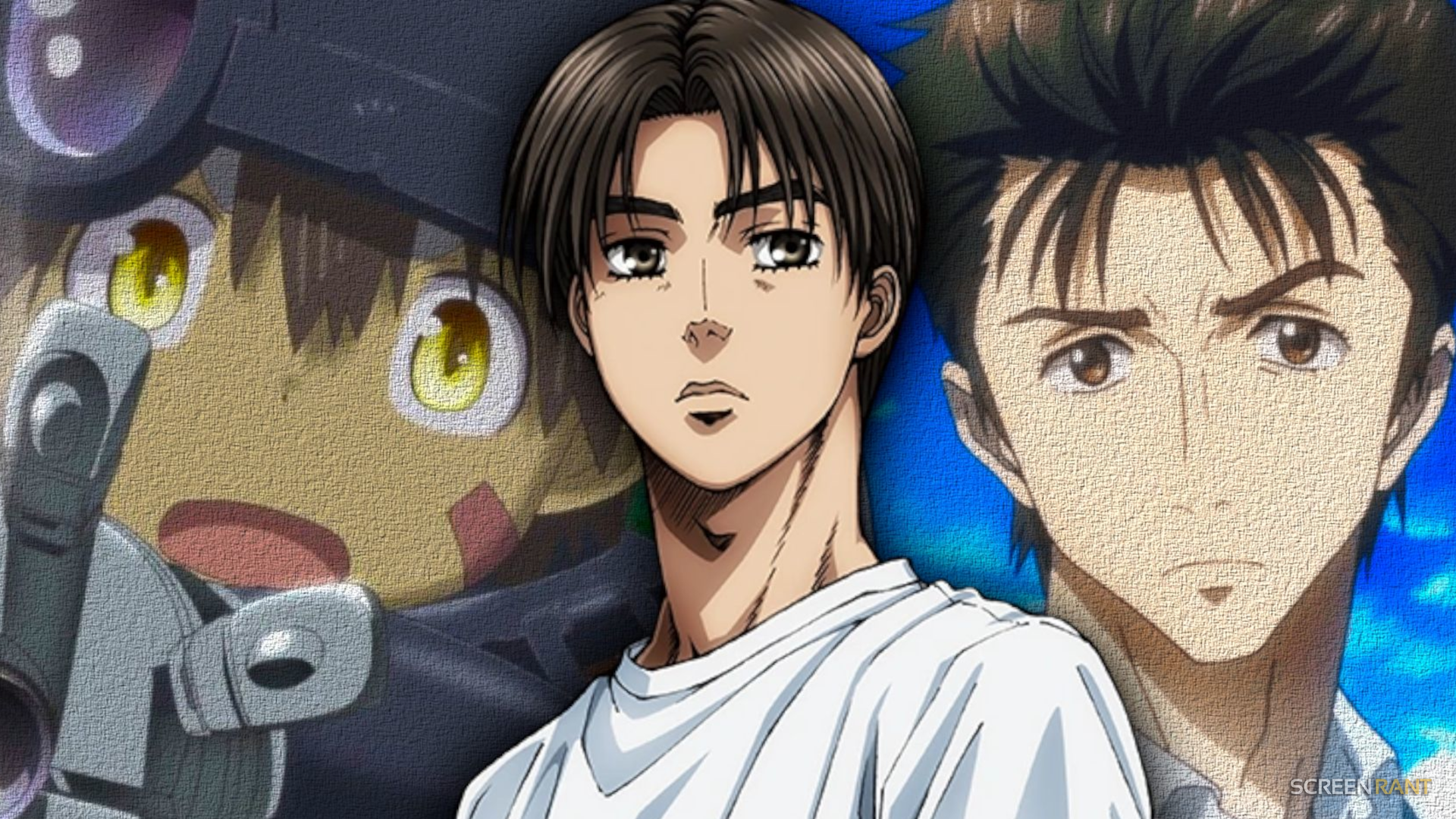
Seinen anime occupies a distinct space in Japanese animation, targeting adult male audiences with narratives that explore mature themes, complex storytelling, and often taboo subject matter. Unlike shonen anime's action-driven heroics, seinen works prioritize psychological depth, moral ambiguity, and sophisticated narratives that resonate with viewers seeking more challenging content.
The best seinen adaptations demonstrate how source material translation to screen can elevate storytelling across genres. Series like "Vinland Saga" showcase historical epic scope with character-driven introspection, examining themes of revenge and redemption through stunning animation from studios like WIT and MAPPA. "Berserk," despite its notoriously difficult production history, remains a benchmark for dark fantasy adaptation, blending ultraviolence with philosophical inquiry about fate and free will.
Psychological thrillers like "Death Note" proved seinen adaptations could dominate mainstream conversation by combining intellectual cat-and-mouse dynamics with moral complexity. "Monster," helmed by Naoki Urasawa's original manga, delivered patient, methodical storytelling that prioritized atmosphere over spectacle. "Psycho-Pass" blended cyberpunk aesthetics with existential questions about justice and surveillance.
The genre's adaptations succeed when studios commit to source material fidelity while understanding animation's unique strengths. "Jujutsu Kaisen" exemplifies modern seinen appeal, combining explosive action sequences from MAPPA with genuine character vulnerability and exploration of trauma. "Chainsaw Man's" first season proved seinen properties could achieve viral cultural moments through directorial vision and meticulous visual composition.
What distinguishes top-tier seinen adaptations is their refusal to sanitize difficult content. Series addressing violence, sexuality, psychological deterioration, and existential dread resonate because they treat adult audiences with intellectual respect. "Ergo Proxy," "Hell