Collider's ranking of cinema's greatest decades crowns the 1950s, 1970s, and 1980s as the industry's peak output periods. Each era produced foundational masterworks that reshaped how movies got made and consumed.
The 1950s delivered technical innovation alongside artistic ambition. Widescreen formats like CinemaScope and VistaVision arrived during this period, transforming the theatrical experience. Directors including Alfred Hitchcock, Akira Kurosawa, and Billy Wilder created films that balanced commercial appeal with narrative sophistication. The decade saw Hitchcock refine the thriller formula with "Rear Window" and "Vertigo," while Kurosawa's "Seven Samurai" exported Japanese cinema to global audiences.
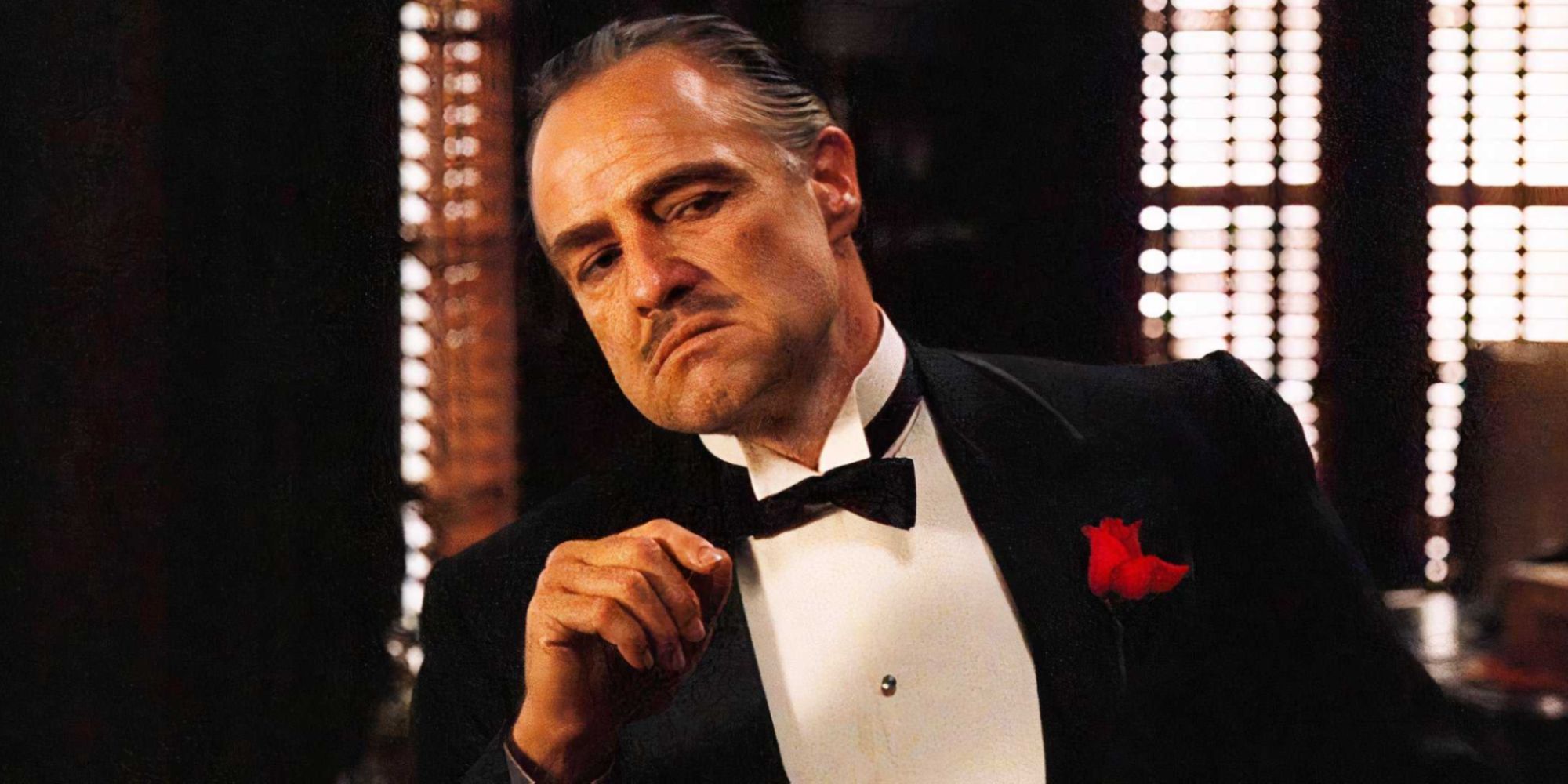
The 1970s earned recognition as the New Hollywood era, when studios handed creative control to visionary directors. Francis Ford Coppola's "The Godfather" films redefined crime narratives. Martin Scorsese introduced raw psychological depth with "Taxi Driver." Stanley Kubrick experimented with genre and form through "A Clockwork Orange" and "Barry Lyndon." The decade rejected conventional storytelling, embracing ambiguous endings and morally complicated characters that audiences had never encountered before.
The 1980s synthesized technical progress with blockbuster sensibility. Steven Spielberg and George Lucas demonstrated how spectacle and emotion could coexist in "Raiders of the Lost Ark" and "Return of the Jedi." The decade's visual effects breakthroughs made previously impossible scenes tangible. James Cameron brought action filmmaking into new territory with "The Terminator," while Robert Zemeckis mastered tone with "Back to the Future."
Each decade reflects its era's technological possibilities and cultural anxieties. The 1950s embraced escapism