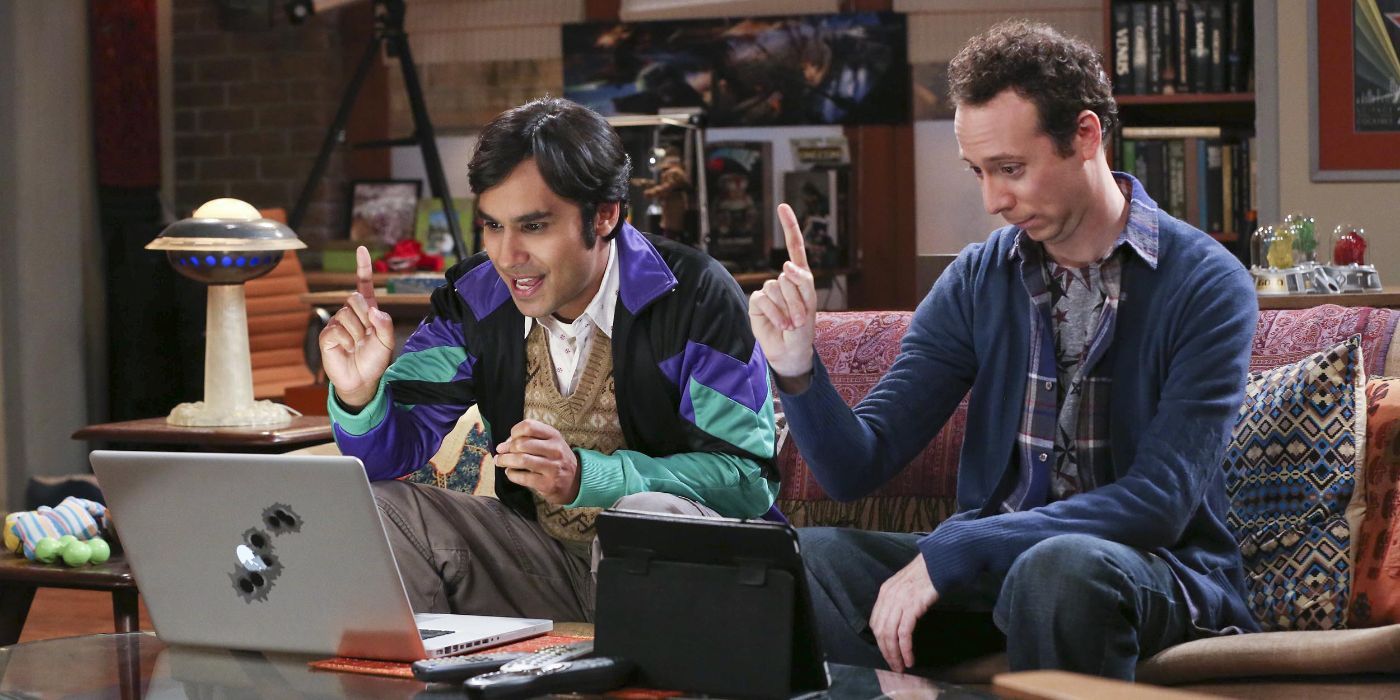
Warner Bros. Discovery is pushing The Big Bang Theory franchise into uncharted territory with Stuart Fails to Save the Universe, a spinoff premiering July 23 that abandons the sitcom format entirely. The new project centers on Stuart Bloom, the perpetually hapless comic book store owner played by Kevin Sussman, in what sources describe as the franchise's most experimental reinvention yet.
Unlike Young Sheldon or the current prequel Georgie and Shelley, which maintained traditional sitcom structures, this spinoff leans into absurdist comedy and heightened stakes. The title itself signals a tonal shift. Rather than intimate character studies or coming-of-age narratives, the show commits to broad, wacky humor built around Stuart's unlikely heroism.
Stuart's character has always functioned as comedic relief within The Big Bang Theory ecosystem. He's the perpetual outsider, the lonely nerd whose romantic failures and desperate social climbing generated laugh-track humor for twelve seasons. Elevating him to protagonist territory represents a bold gamble. The franchise has mined deep value from its core cast and spinoff extensions, but spinning a major series around the show's most minor character requires serious creative confidence.
This move reflects shifting audience tastes and streaming era flexibility. While Young Sheldon proved that prequel spinoffs could sustain multi-season runs on traditional networks, Stuart Fails to Save the Universe suggests The Big Bang Theory's creative stewards want to test genre boundaries. The title's cosmic scope contradicts Stuart's earthbound desperation, creating immediate comedic friction.
Kevin Sussman brings years of character development to the role. Audiences know Stuart's rhythms, his failures, his desperate optimism. That familiarity grounds even the most outlandish premise. Whether the spinoff lands depends on whether writers can balance character continuity with the "wacky" sens