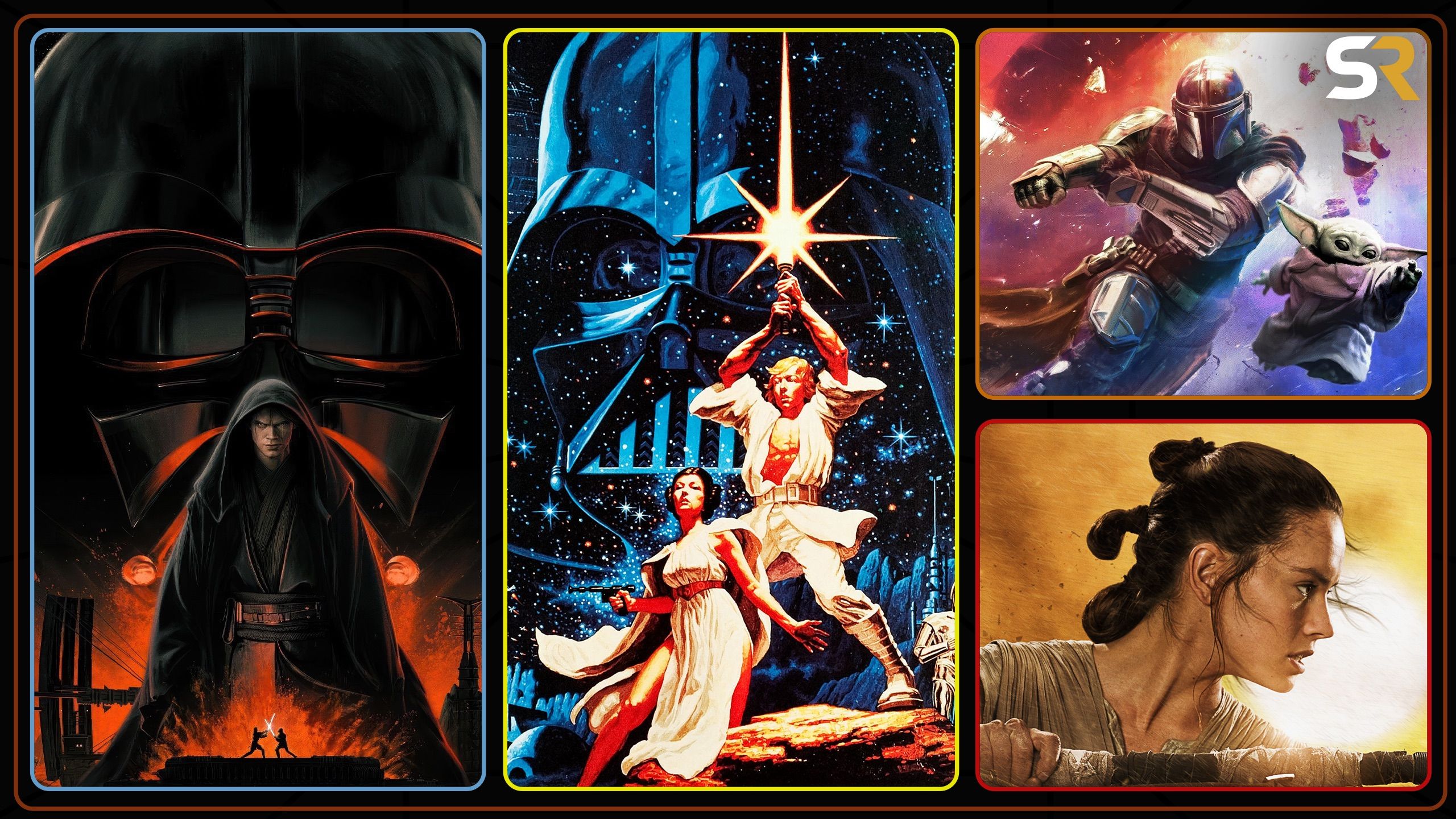
Lucasfilm's Star Wars universe spans over 25,000 years of fictional history, fragmented across films, television series, comics, novels, and games. Navigating this timeline requires understanding multiple eras and how they connect across platforms.
The saga traditionally centers on the Skywalker saga films, nine movies split into three trilogies spanning roughly 50 years. The Original Trilogy (Episodes IV-VI) launched in 1977 and established Luke Skywalker's journey. The Prequel Trilogy (Episodes I-III) arrived decades later, revealing Anakin Skywalker's fall to the dark side. The Sequel Trilogy (Episodes VII-IX) concluded that family arc with a new generation.
Beyond the core films, the timeline expands massively. The High Republic era, now being explored through Disney Plus series like "The Acolyte," stretches back centuries before the prequels and features the Jedi Order at peak power. The Old Republic period, detailed in games and comics, goes back thousands of years to ancient Sith conflicts. The Mandalorian and Ahsoka series occupy the post-Empire period, filling gaps between Return of the Jedi and the sequel timeline.
Recent streaming ventures complicate continuity further. Andor explored the Rebellion's formation before A New Hope. Obi-Wan Kenobi bridged Episodes III and IV. These shows operate within established windows but add layers of complexity that casual viewers struggle to track.
Lucasfilm's expansion strategy prioritizes filling timeline gaps rather than moving forward linearly. This approach generates extended engagement with the property across multiple platforms and price points. It also allows creative teams to explore different corners of the galaxy without directly impacting the Skywalker narrative.
For viewers, the timeline challenge mirrors streaming's broader fragmentation problem. Understanding Star