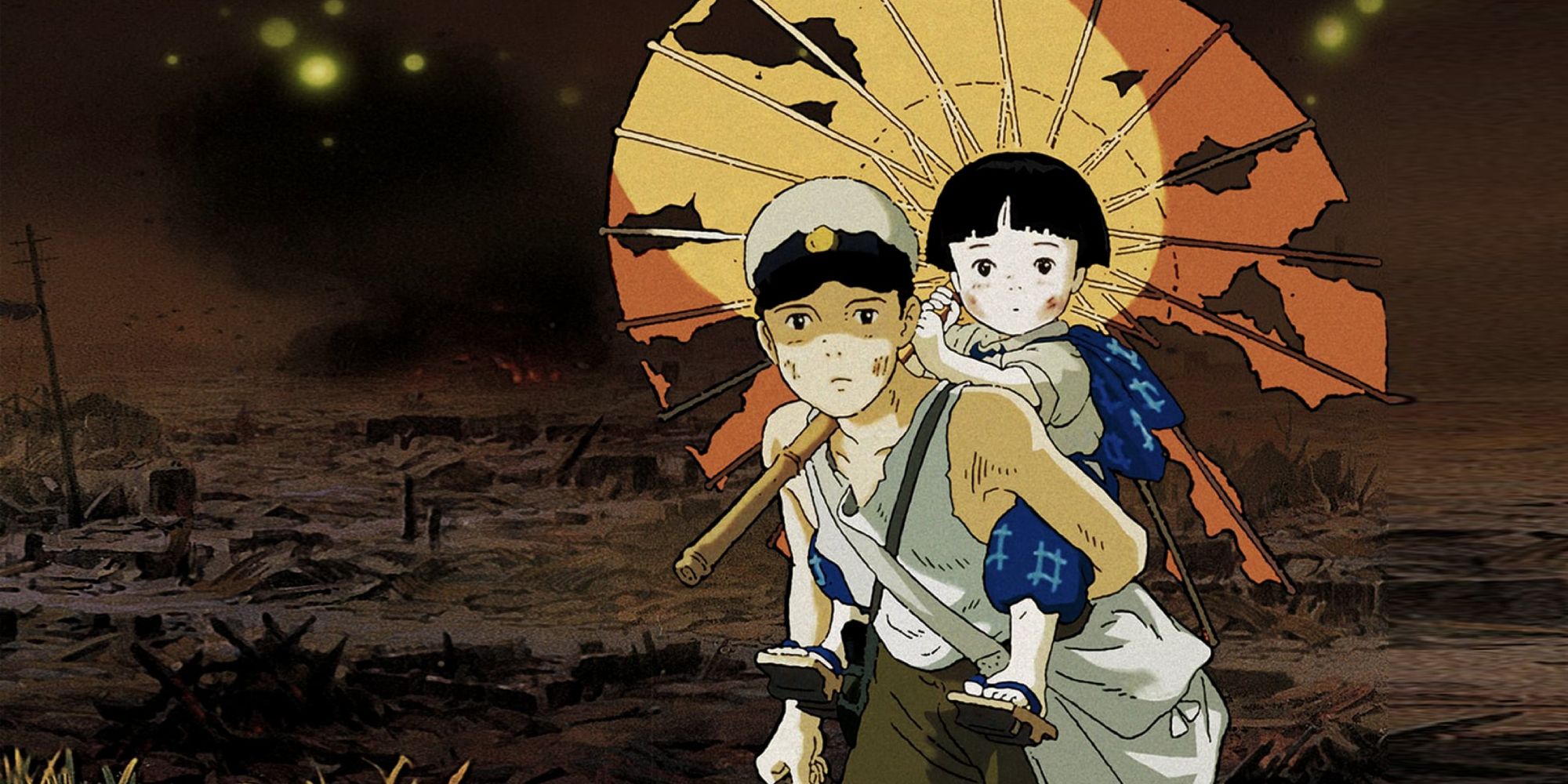
"Grave of the Fireflies" holds a brutal reputation as animation's bleakest work, but Collider argues that at least three other animated films dig even deeper into despair. Isao Takahata's 1988 Studio Ghibli masterpiece uses the Japanese firebombing of Kobe during World War II as backdrop for the story of two siblings struggling to survive after losing their parents. The film's unsparing portrayal of hunger, poverty, and childhood mortality makes it a threshold experience for many viewers.
Yet "When the Wind Blows" (1986), directed by Jimmy T. Murakami, presents an argument for greater emotional devastation. The British-American co-production follows an elderly married couple preparing for nuclear war with the innocent belief that their homemade preparations will save them. Their quiet, determined naivety in the face of apocalypse hits harder than Takahata's historical specificity. The film strips away plot mechanics entirely. There is no narrative escape. Viewers know from frame one what awaits them.
Other contenders in animation's sadness pantheon likely include films that prioritize emotional inevitability over visceral suffering. "A Letter to Momo" or other works that dwell in grief's quotidian textures rather than acute trauma operate in this space too. The distinction matters. "Grave of the Fireflies" devastates through circumstance and desperation. These alternatives devastate through foreknowledge and acceptance.
The comparison reflects how animation, freed from live-action's indexical reality, can render emotional truth through abstraction and symbol. A watercolor sky or a voice actor's tremor carries weight that photorealism sometimes cannot. Japanese anime and British hand-drawn animation approach melancholy from different cultural vantages. The resulting films become artifacts of their specific production contexts while speaking to universal