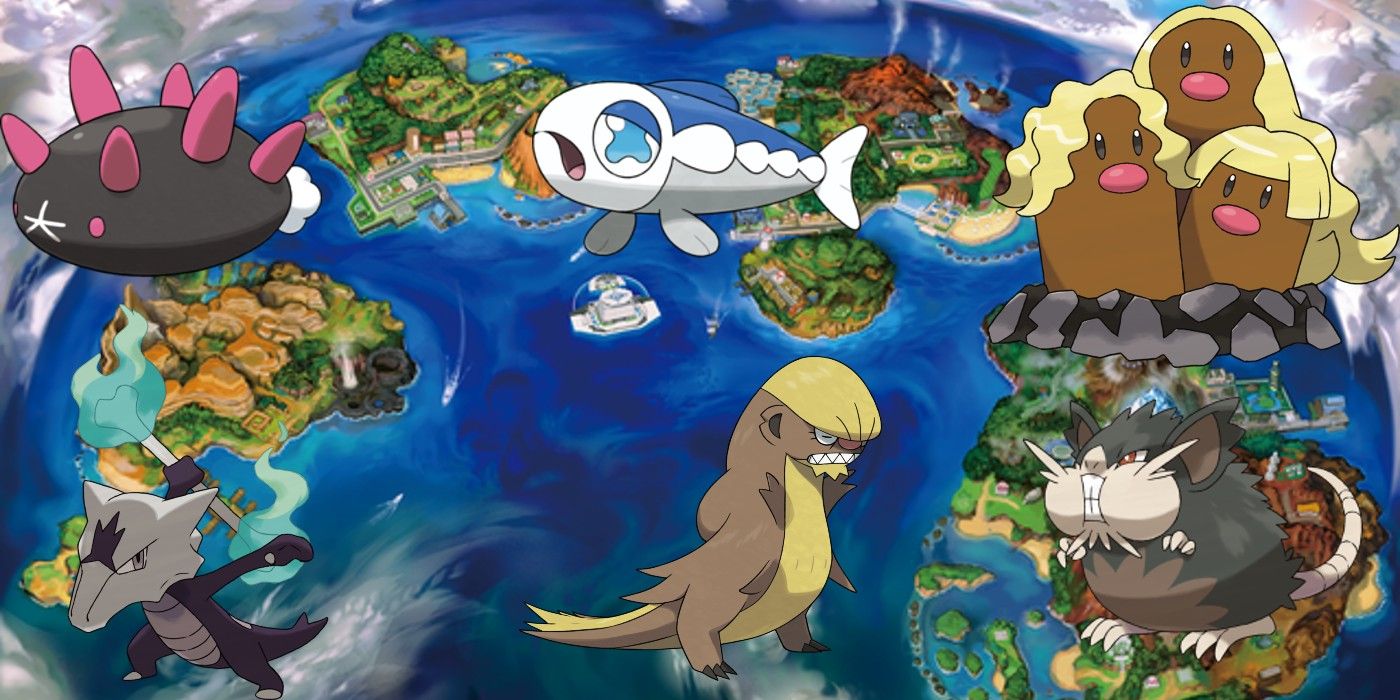
Pokémon Alolan Seaglass marks a deliberate creative pivot for the franchise, steering players back toward the Alola region that defined the Sun and Moon generation. The move signals The Pokémon Company's confidence in nostalgia-driven design while the core fanbase demonstrates sustained appetite for returning to familiar locations with fresh gameplay mechanics.
The Alola region, introduced in 2016 across Pokémon Sun and Moon, established itself as a tropical paradise distinct from previous settings. Its regional Pokédex variants, island-hopping structure, and departure from traditional gym battles shaped an entire era of the franchise. The decision to revisit this world reflects how Nintendo and Game Freak recognize which generations resonate longest with players. The Sun and Moon era cultivated fierce loyalty among its audience, and capitalizing on that emotional investment proves savvy franchise management.
Pokémon's staying power surprises cynics who predicted franchise fatigue years ago. Instead, the series continues evolving its formula while honoring what made certain eras special. Alolan Seaglass arrives during a period when Pokémon Scarlet and Violet pushed toward open-world structure, yet returning to a more linear, regionally focused experience demonstrates the franchise's flexibility. Players clearly value both innovation and comfort, and this title delivers both.
The enthusiasm surrounding Alolan Seaglass reflects broader trends in gaming. Nostalgia marketing works when executed authentically, and the Pokémon Company understands its audience's psychology. Bringing back beloved regions, characters, and mechanics taps into genuine affection rather than cynical cash-grabbing. The success of Pokémon Legends: Arceus proved players embrace experiments within established worlds, making Alolan Seaglass a logical continuation of that willingness to try new approaches in familiar settings.
Whether through mobile experiences